



Restoring Utah’s Historic Homes: A Guide to Authentic Masonry
Utah’s historic homes carry a distinct architectural character shaped by regional stone, early craftsmanship, and centuries of environmental exposur


The housing market gets summarized quickly, but the details that shape affordability are often harder to see. When major aggregators publish optimistic headlines, it can be tempting to treat their summary as the whole truth. A closer look at affordability math, inventory reality, and mortgage payment pressure shows why many people feel the market is “wrecked” even when some dashboards suggest activity is improving.
This guide explains how to interpret housing market reporting, what “pending” means versus “sold,” why mortgage-rate moves matter, and how to do a practical local analysis instead of relying on broad national narratives. It also highlights common pitfalls, including how comps can be pooled in ways that distort local conclusions.
Large housing data providers tend to publish several different kinds of signals at once:
The problem is that these signals can be mixed in ways that do not reflect what buyers experience.
One of the most important distinctions is that “pending” does not equal “sold.” Pending numbers can rise while closed transactions are flat or falling. That means headline “acceleration” in contract activity may not translate into actual market improvement for home prices, inventory absorption, or buyer confidence.
National or metro “typical value” metrics can mask neighborhood level differences. A report may show modest year-over-year appreciation while specific subareas are lagging, discounting, or taking longer to transact.
Even when mortgage rates move modestly, the monthly payment impact can still be large. When home prices rise faster than incomes, the resulting payment pressure can keep demand constrained, regardless of whether rates tick down temporarily.
Housing affordability is not just purchase price. A practical buyer’s affordability check must include at least:
Mortgage rates can move within a band, but the key issue is that a payment can remain near the limit of household budgets even after rates dip. When the payment is still too high, demand can remain weak while sellers continue listing inventory.
When inventory grows for consecutive months, it generally means the supply-demand balance is shifting. If more homes are available while buyers cannot afford to buy, price growth slows or reverses, and days-on-market typically rise.
Housing reports may describe inventory in different ways. For real decision-making, it helps to break inventory down:
A market can show “more pending” while still failing to sell through if buyers are not qualifying at the needed price. In that scenario, pending might not convert to closed sales and the inventory balance keeps drifting upward.
Even if rates fall, housing demand can stay suppressed if payment affordability is still stretched. Mortgage demand reacts with a delay. That means a rate improvement does not instantly translate into more purchasing power.
Mortgage applications, refinance interest, and purchase activity can all move differently. In constrained affordability conditions, purchase demand may remain flat even if refinance demand changes.
Macro reporting is helpful for direction, but local analysis is what produces decision-grade answers. A common critique of broad housing dashboards is that they can pool comparable properties across boundaries that do not reflect real micro-market differences.
For example, a report might treat a small region as if it behaves like a different nearby pocket, including new-construction listings from one side of a boundary while drawing conclusions about another. When that happens, the “data story” can drift away from what buyers see on the ground.
Subdivision-level analysis can be more useful than broad city averages. It can also help explain why “typical value” might be inconsistent with what actually sells in a specific neighborhood.
At a practical level, a local approach often includes:
A useful affordability sanity test is to compare what the monthly payment implies over time versus what household income can absorb.
Most conventional mortgage amortization schedules are front-loaded: a larger portion of early payments goes toward interest rather than principal. Extra principal payments can change outcomes, but the key is understanding how much of early monthly payments do not build equity.
A simple buyer workflow:
Affordability is not only about qualifying today. It is about being able to sustain payments if costs rise, income changes, or maintenance needs appear. This margin is what protects against future payment shock.
When affordability is under pressure, strategies need to focus on payment reality, negotiation leverage, and decision timing.
For additional Utah-specific guidance on pricing and listing decisions, see 6 Signs It’s the Right Time to Buy Real Estate.
Affordability pressure and financing conditions can affect different Utah metros differently. For example, buyers evaluating Southern Utah may also weigh livability factors along with payment affordability. If the target area is St. George, consider comparing both price and payment impact alongside neighborhood fit and monthly costs.
For city-level resources, visit St. George Real Estate.
If the goal is to make a confident housing decision in a market with mixed signals, a practical framework is:
For those exploring Utah home buying and selling support, additional local resources can be found at Best Utah Real Estate.
Why do some reports claim the market is improving when affordability still looks bad?
Because “market activity” and “affordability” are different. A dashboard may show rising pending listings or steady typical values while buyers still cannot qualify at prices that match those headlines. In that case, demand can remain constrained and inventory keeps building.
What is the most important difference between pending listings and sold homes?
Pending homes are under contract, not closed. Sold homes reflect completed transactions. Pending can rise even if closed sales are flat, especially when affordability, appraisals, or financing issues prevent contracts from completing.
How should buyers estimate affordability more accurately?
Can inventory growth mean prices will fall?
Inventory growth often signals a shifting supply-demand balance. If buyers cannot absorb the inventory at existing prices, price growth can slow or reverse. Whether prices fall depends on local substitution effects, buyer qualification, and how many active listings convert to sold.
What is hyperlocal analysis and why does it matter?
Hyperlocal analysis focuses on the exact subdivision or micro-market where the property is located, often separating new construction from existing homes and comparing consistent sold data across time windows. It reduces the risk of drawing conclusions from pooled comparables that do not match the target area.

Utah’s historic homes carry a distinct architectural character shaped by regional stone, early craftsmanship, and centuries of environmental exposur
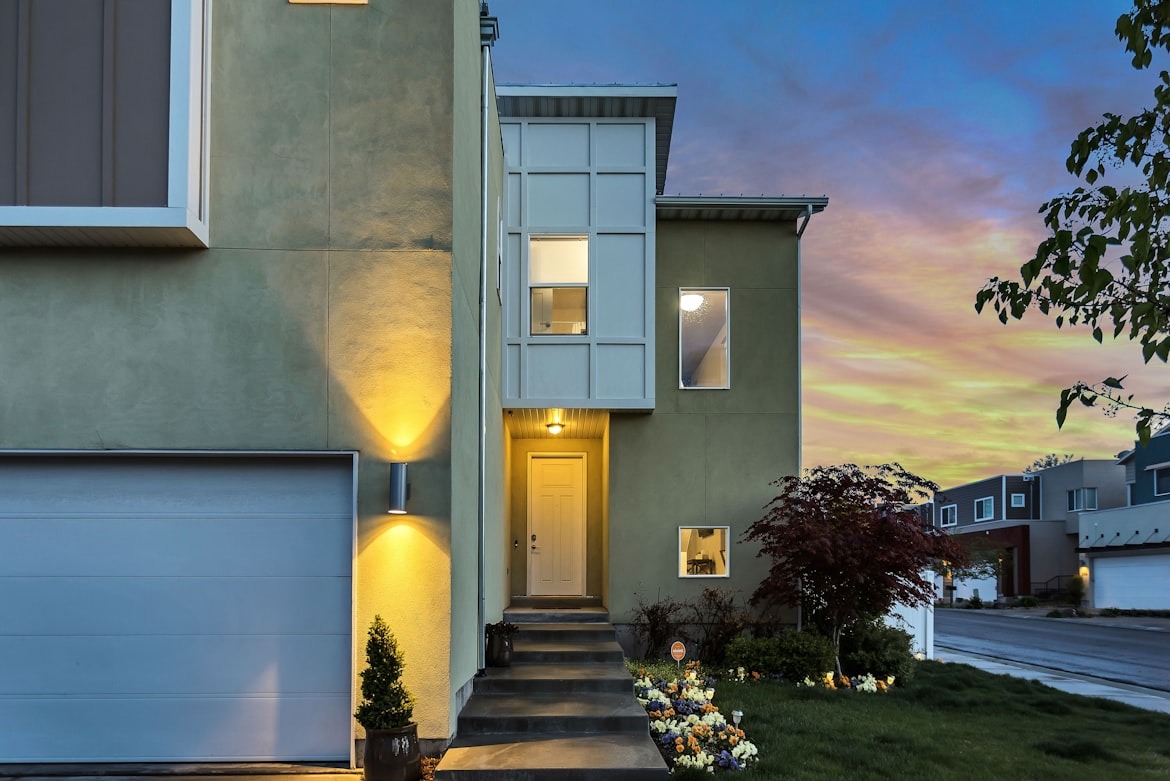
Smart home improvements do more than just lower monthly utility bills. They transform a house into a modern asset that appeals to the current generation of savvy buyers. High efficiency is now a standard expectation rather than a luxury upgrade. When you focus on the right systems, you build immediate equity while creating a more comfortable living environment for your family.

St. George summers are no joke. With temperatures regularly climbing past 105°F from June through September, a working air conditioner isn't a luxury in Southern Utah it's essential.

Utah’s spring housing market is showing signs of strain. Inventory is rising, contract cancellations are elevated, rents are softening, and buyer demand is not keeping pace with the number of homes hitting the market. For anyone asking whether Utah is shifting toward a buyer’s market, the latest signals point in that direction.
Access all your saved properties, searches, notes and more.
Access all your saved properties, searches, notes and more.
Enter your email address and we will send you a link to change your password.
I agree to receive marketing and customer service calls and text messages from Best Utah Real Estate. Consent is not a condition of purchase. Msg/data rates may apply. Msg frequency varies. Reply STOP to unsubscribe. Privacy Policy & Terms of Service.
Listings displayed on this website are provided via IDX. The website owner is not the listing broker or agent unless explicitly stated.
Your trusted MLS search companion