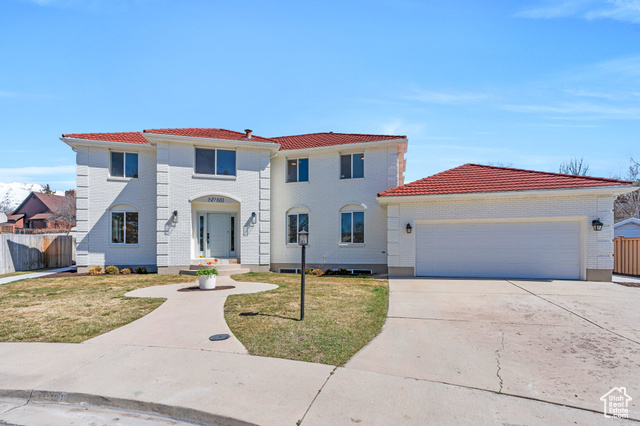


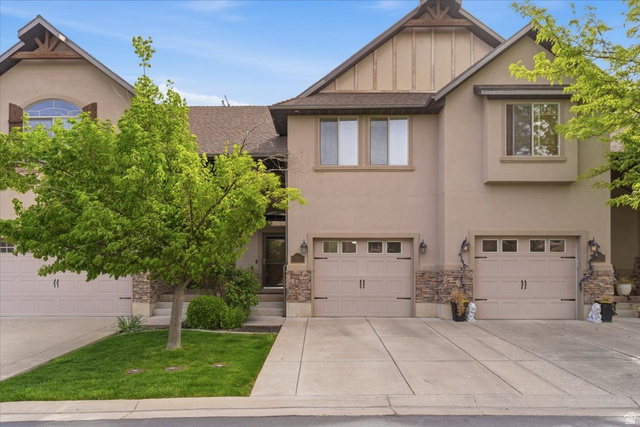


Restoring Utah’s Historic Homes: A Guide to Authentic Masonry
Utah’s historic homes carry a distinct architectural character shaped by regional stone, early craftsmanship, and centuries of environmental exposur


As of 2024 Utah real estate market is in a state of flux, with inventory increasing dramatically and sales declining. This blog explores the implications of these trends, offering insights for both buyers and sellers to make informed decisions in the evolving market.
The Utah real estate market is experiencing a significant shift in inventory levels. The increase in available homes is reshaping the landscape for buyers and sellers alike.
At the start of the year, there has been a marked increase in the number of homes hitting the market. Monthly comparisons reveal substantial gains in listings.
This surge in inventory totals over 1,500 additional units compared to the same period last year. Such a dramatic rise in listings is noteworthy for the Utah real estate market.
Previously, the market was buoyed by a trend of negative listings. During the spring and summer, over 1,000 negative listings helped stabilize prices.
However, the current trend indicates a reversal. With more homes hitting the market, the dynamics have shifted, potentially impacting home prices and market stability.
The influx of inventory could have several consequences for the market:
Buyers may find more options, while sellers might need to adjust their strategies in response to the growing inventory.
While inventory is on the rise, the Utah real estate market is also experiencing a slowdown in sales. This imbalance between supply and demand could have significant implications.
Sales data from the first quarter of the year shows a noticeable decline. Comparing March 2023 to March 2024, there were over 400 fewer sales.
This downward trend in sales volume highlights a critical aspect of the current market environment.
The combination of rising inventory and declining sales could be a recipe for instability. If this trend continues, it may lead to further downward pressure on home prices.
Additionally, economic factors such as a potential recession could exacerbate these issues, making it crucial for stakeholders to stay informed and adaptable.
In light of these trends, both buyers and sellers need to consider their strategies carefully.
Staying informed about market trends and economic conditions will be key to navigating this evolving landscape.
Understanding the nuances of inventory growth is crucial for both buyers and sellers in the Utah Real Estate market. Let's delve into the specifics of these changes.
Analyzing year-over-year data reveals a staggering 115% increase in inventory. Comparing April 3rd, 2024, to April 3rd, 2023, we see 7,100 units compared to 6,400 units.
This substantial growth in inventory indicates a significant shift in the market dynamics, affecting both supply and demand.
Examining seasonal trends offers further insights. For instance, on May 31st, 2023, there were 7,256 units, a peak number for that period.
Interestingly, as of early April 2024, the inventory levels are nearly the same, suggesting that the market may peak earlier this year.
This early peak can lead to more opportunities for buyers in the second half of the year due to increased inventory.
The growth in inventory is not just a number; it has real implications for the market:
Monitoring these trends helps stakeholders make informed decisions, whether buying or selling in the Utah real estate market.
Timing the market is a critical strategy for maximizing benefits in the Utah real estate market. Here’s how both buyers and sellers can navigate the current trends.
Sellers need to act quickly to maximize their returns. The spring market is traditionally strong for sellers, offering the best chance to get top dollar.
However, with inventory levels rising, waiting too long could mean facing increased competition and potentially lower prices.
Sellers should consider listing their properties as soon as possible. Delaying could result in missing the peak selling period and facing a market with more inventory and fewer buyers.
As competition increases, sellers may need to adjust their pricing strategies and enhance their marketing efforts to attract buyers.
Buyers, on the other hand, can benefit from patience. The second half of the year is likely to offer better opportunities as inventory continues to grow and prices potentially drop.
Here's how buyers can make the most of the evolving market.
Patience is key for buyers. Waiting until the second half of the year could provide more options and better deals as inventory increases.
Timing is everything in the real estate market. Buyers should aim to make their purchases when the market shifts in their favor.
Monitoring market trends and working with a knowledgeable real estate agent can help buyers make informed decisions.
With more inventory on the market, buyers have more leverage to negotiate favorable terms. This may include:
Both buyers and sellers should keep an eye on broader economic factors, such as the potential for a recession, which could further impact the market.
Understanding these factors can help stakeholders make strategic decisions that align with their financial goals.
Staying informed about economic indicators, such as employment rates and interest rates, can provide valuable insights into the markets future direction.
Working with real estate professionals who have a deep understanding of the Utah real estate market can provide valuable guidance and help navigate the complexities of buying or selling a home.
In conclusion, whether you are a buyer or seller, understanding the current trends in the Utah real estate market and timing your actions accordingly can significantly impact your success. Staying informed and working with experienced professionals can help you make the best decisions in this evolving landscape.
Interest rates play a pivotal role in shaping the economic landscape, including the Utah real estate market. Understanding their impact can help stakeholders make informed decisions.
Interest rates have remained high, with the 10-year treasury yield touching a 2024 high. This is a direct result of higher-than-expected job data, which prevents rate cuts.
The Federal Reserve is in a challenging position, needing to fight inflation without overheating the economy. This balancing act impacts interest rates significantly.
High interest rates affect both buyers and sellers in the Utah real estate market. For buyers, higher rates mean higher mortgage costs, potentially reducing purchasing power.
Sellers might face fewer buyers, leading to longer time on the market and potential price reductions. It's crucial for both parties to stay informed about interest rate trends.
Both buyers and sellers need strategic approaches to navigate the current interest rate environment.
Staying adaptable and informed can help mitigate the challenges posed by high interest rates in the Utah real estate market.
The Utah real estate market may face additional challenges if a recession hits. Understanding potential scenarios can help stakeholders prepare.
Economic indicators suggest a potential recession. Historical patterns show that recessions can significantly impact the real estate market.
For instance, the 2008-2009 financial crisis led to a prolonged period of declining home prices and increased foreclosures. Similar trends could emerge if a recession occurs.
A recession could lead to further declines in home prices and increased inventory. This scenario would present both opportunities and challenges for buyers and sellers.
Buyers might find more opportunities to purchase at lower prices, while sellers could face increased competition and pressure to lower prices.
Both buyers and sellers need to adapt their strategies to navigate a potential recession effectively.
Monitoring economic trends and working with knowledgeable real estate professionals can help stakeholders make informed decisions during a recession.
Staying prepared for potential market changes is crucial. Regularly monitoring economic indicators and market trends can provide valuable insights.
Consulting with real estate experts and financial advisors can also help stakeholders navigate the uncertainties of a potential recession.
In conclusion, understanding the impact of interest rates and preparing for a potential recession are essential for success in the Utah real estate market. Staying informed and adaptable can help buyers and sellers make the best decisions in an evolving landscape.
Posted by Kristopher Larson
Related Articles:
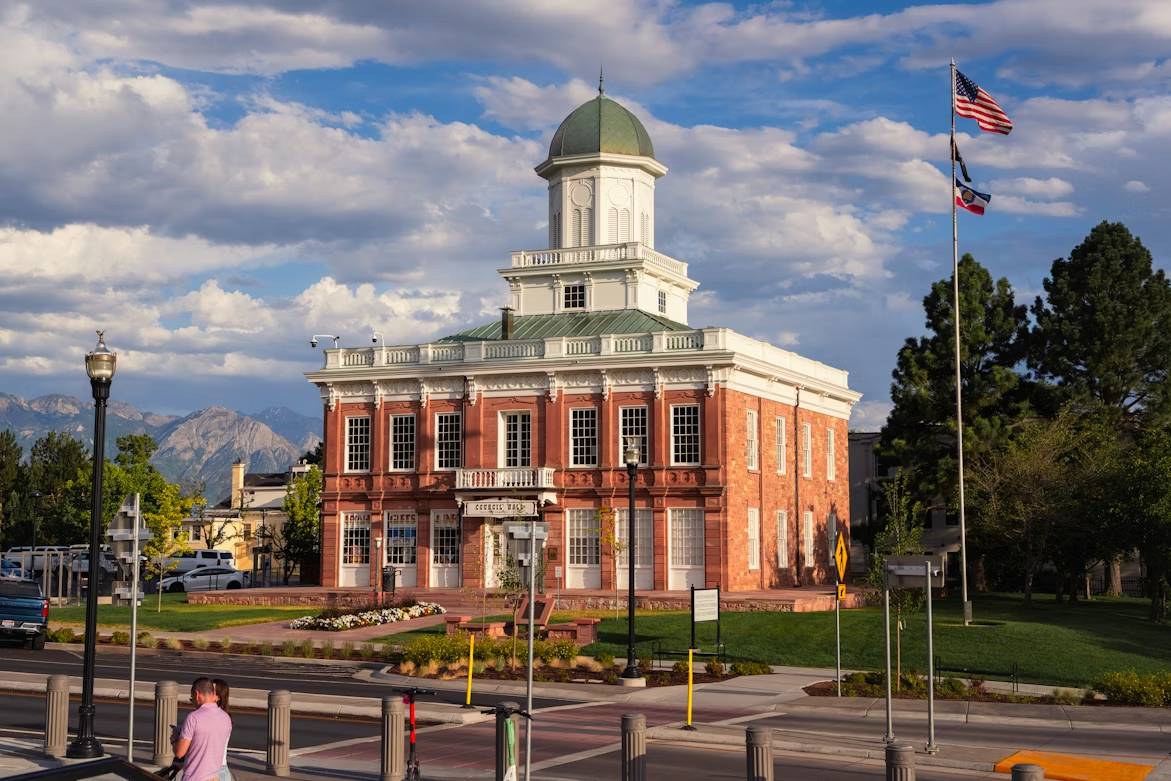
Utah’s historic homes carry a distinct architectural character shaped by regional stone, early craftsmanship, and centuries of environmental exposur
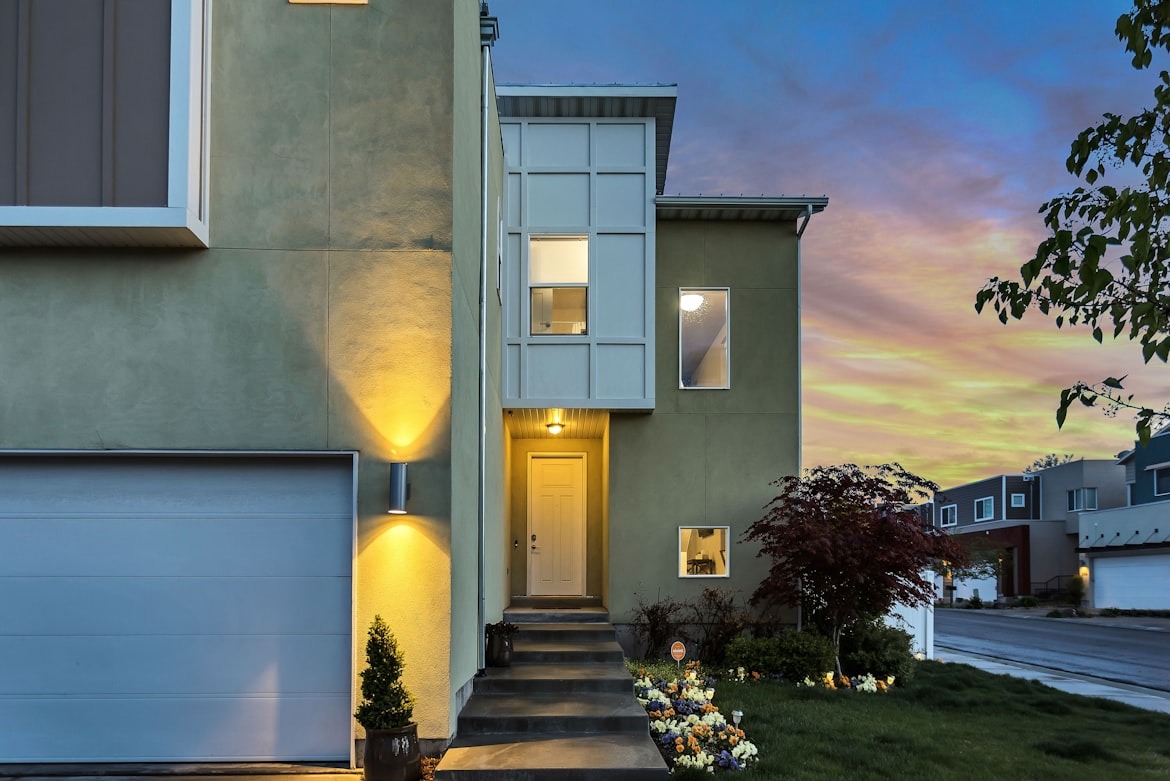
Smart home improvements do more than just lower monthly utility bills. They transform a house into a modern asset that appeals to the current generation of savvy buyers. High efficiency is now a standard expectation rather than a luxury upgrade. When you focus on the right systems, you build immediate equity while creating a more comfortable living environment for your family.

St. George summers are no joke. With temperatures regularly climbing past 105°F from June through September, a working air conditioner isn't a luxury in Southern Utah it's essential.

Utah’s spring housing market is showing signs of strain. Inventory is rising, contract cancellations are elevated, rents are softening, and buyer demand is not keeping pace with the number of homes hitting the market. For anyone asking whether Utah is shifting toward a buyer’s market, the latest signals point in that direction.
Access all your saved properties, searches, notes and more.
Access all your saved properties, searches, notes and more.
Enter your email address and we will send you a link to change your password.
I agree to receive marketing and customer service calls and text messages from Best Utah Real Estate. Consent is not a condition of purchase. Msg/data rates may apply. Msg frequency varies. Reply STOP to unsubscribe. Privacy Policy & Terms of Service.
Listings displayed on this website are provided via IDX. The website owner is not the listing broker or agent unless explicitly stated.
Your trusted MLS search companion