Restoring Utah’s Historic Homes: A Guide to Authentic Masonry
Utah’s historic homes carry a distinct architectural character shaped by regional stone, early craftsmanship, and centuries of environmental exposur

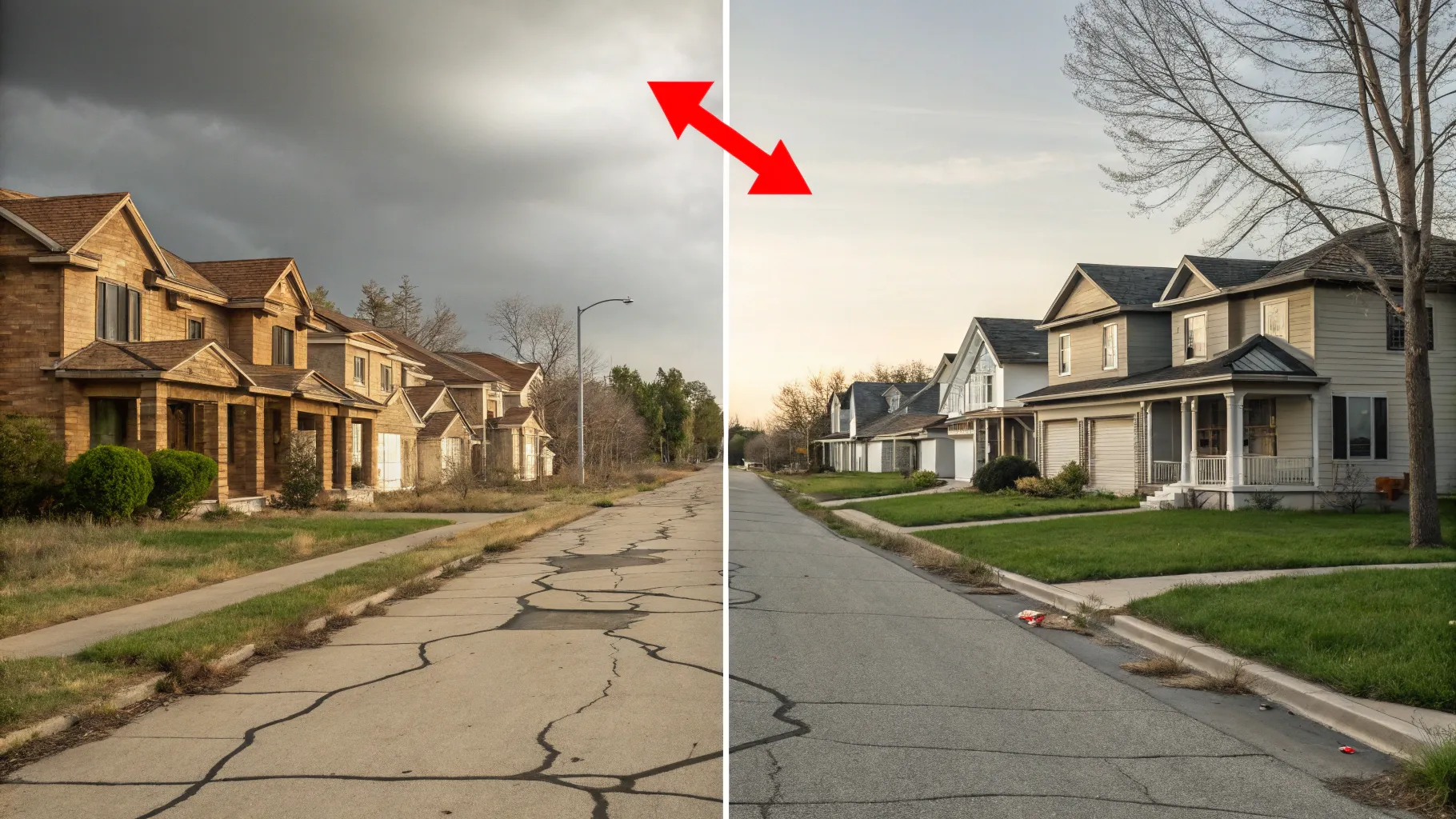
Utah's housing market in late 2025 is showing clear signs of cooling compared with the frenzy of 2021 through 2023, but it is not repeating the widespread collapse experienced in 2008. Markets across the state are settling into more balanced dynamics: some regions are neutral, a few are tilting toward buyers, inventory has increased, and foreclosure activity is rising from recent lows but remains far below the levels seen during the last crash. This analysis summarizes the numbers driving those conclusions, explains what is creating current stress for some homeowners, and outlines practical strategies for buyers, sellers, and investors.
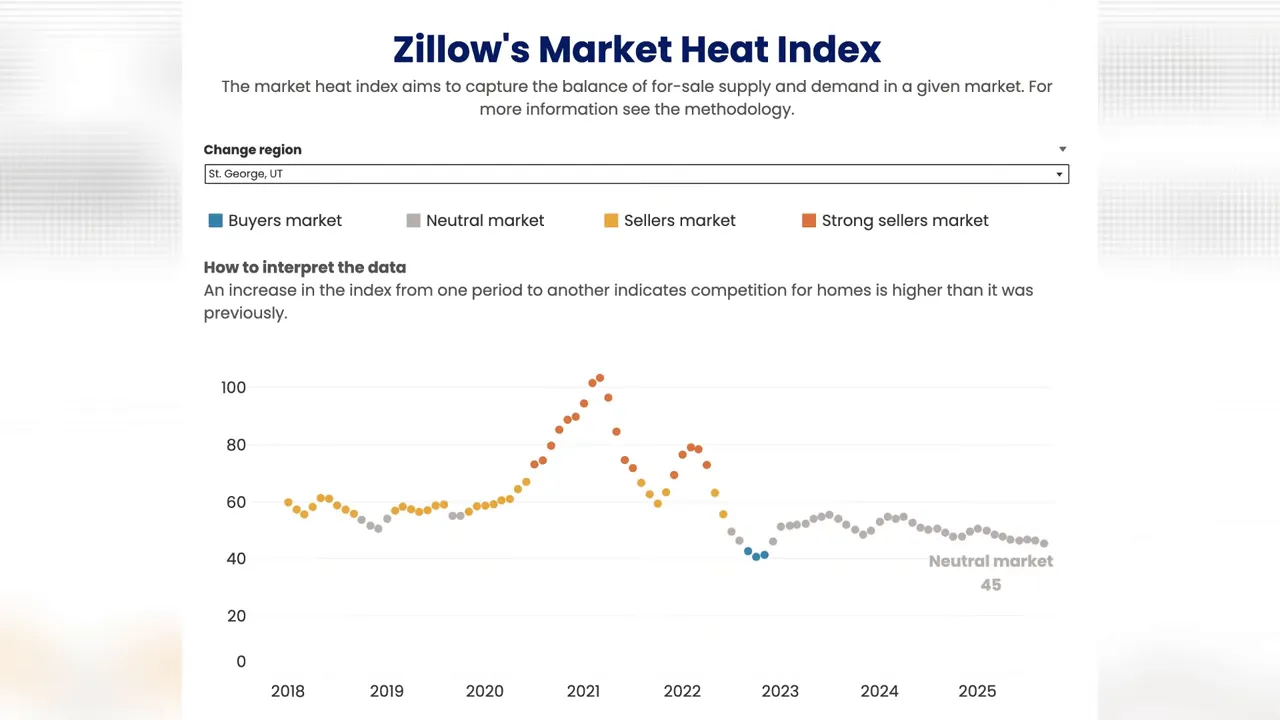
Zillow’s local heat index provides a quick way to read supply and demand at the metro level. Most Utah metros are classified as neutral markets, meaning neither buyers nor sellers have a persistent advantage. Key readings include:
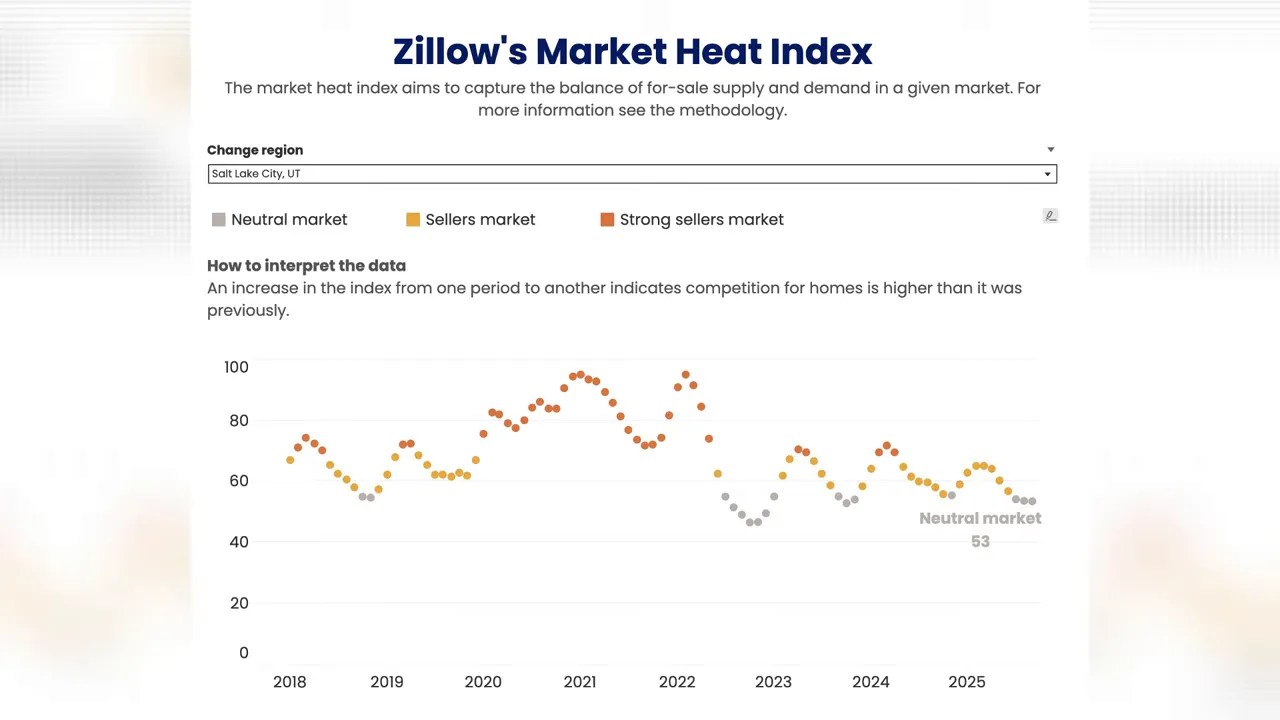
Neutral market conditions mean more give and take during negotiations: sellers may offer closing-cost assistance and buyers may secure homes near or below list price. Markets with prolonged buyer advantages will show further price pressure and longer days on market.
Foreclosure activity has increased compared with the immediate post-pandemic trough. Several months in 2025 have registered over 100 notices of default statewide, including August, September, and October. A targeted look at three major counties—Salt Lake, Utah, and Davis—found 91 active or under-contract listings with special conditions such as notices of default or short-sale status as of November 6, 2025.
Important context:
Inventory across Utah is higher than a year ago, with more than 13,000 active listings reported on common statewide portals in early November 2025. Higher inventory generally eases upward price pressure, but the interaction between fewer closed sales and price trends has been complex in 2025.
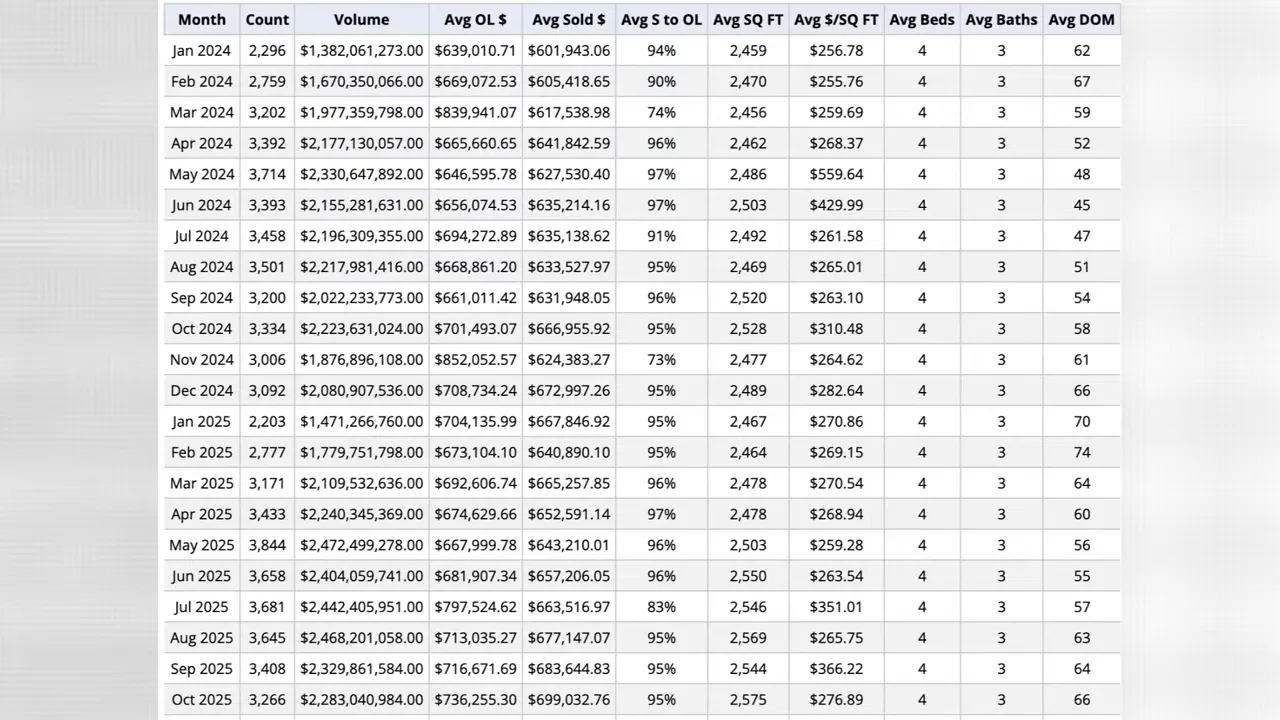
October comparisons highlight that complexity:
Those numbers suggest slower turnover and longer marketing times, but not a uniform price collapse. Markets with strong local demand, constrained supply of specific product types, or desirable neighborhoods can still push average prices higher even as overall sales volume declines.
National buyer and seller demographics are influencing Utah’s market dynamics. Recent national reports from industry sources such as the National Association of Realtors indicate that sellers are staying in their homes longer—about 11 years on average—and that the median age of first-time buyers has climbed to around 40. The median down payment for first-time buyers has also reached levels not seen since the late 1980s, at roughly 10 percent.
Two consequences follow:
National data sources: nar.realtor and state resources such as utah.gov provide ongoing market and housing-statistics releases for deeper research.
For statewide MLS summaries and searchable listings, visit bestutahrealestate.com for regularly refreshed inventory counts and market pages. For national reports and buyer-seller demographics, refer to nar.realtor. For official state-level housing programs and resources, see utah.gov.
Is Utah headed for a housing crash similar to 2008?
Current data show rising distress and higher inventory compared with recent years, but foreclosure volumes remain a fraction of 2008 levels. The 2008 crisis involved systemic problems across mortgage underwriting and global finance; present indicators point to localized stress tied to rate buydown expirations and price peak exposure rather than a nationwide collapse.
Which Utah regions are favoring buyers right now?
Smaller metros and resort-adjacent markets are more likely to tilt toward buyers. Recent heat-index readings place Logan in a buyer's market and St. George near the buyer-neutral boundary, while Salt Lake City and Provo remain broadly neutral.
Are foreclosures increasing and should buyers expect many distressed opportunities?
Foreclosure-related listings have increased from recent lows, and certain counties are showing meaningful year-over-year rises. However, totals remain far below 2008 levels, so distressed inventory will be a moderate, not overwhelming, share of the market for most buyers.
Is it better to wait to buy until mortgage rates drop further?
Timing the market and interest rates is uncertain. Buyers focused on long-term homeownership should balance current affordability, local inventory opportunities, and personal financial readiness. Buyers uncomfortable with today's rates may consider larger down payments, rate buy-down options where available, or adjustable-rate products with clear exit plans.
Where can more localized Utah housing guidance be found?
State and national sources provide reliable datasets: utah.gov for local housing resources and nar.realtor for national buyer-seller trends. For regularly updated local listings and market summaries, consult https://bestutahrealestate.com.
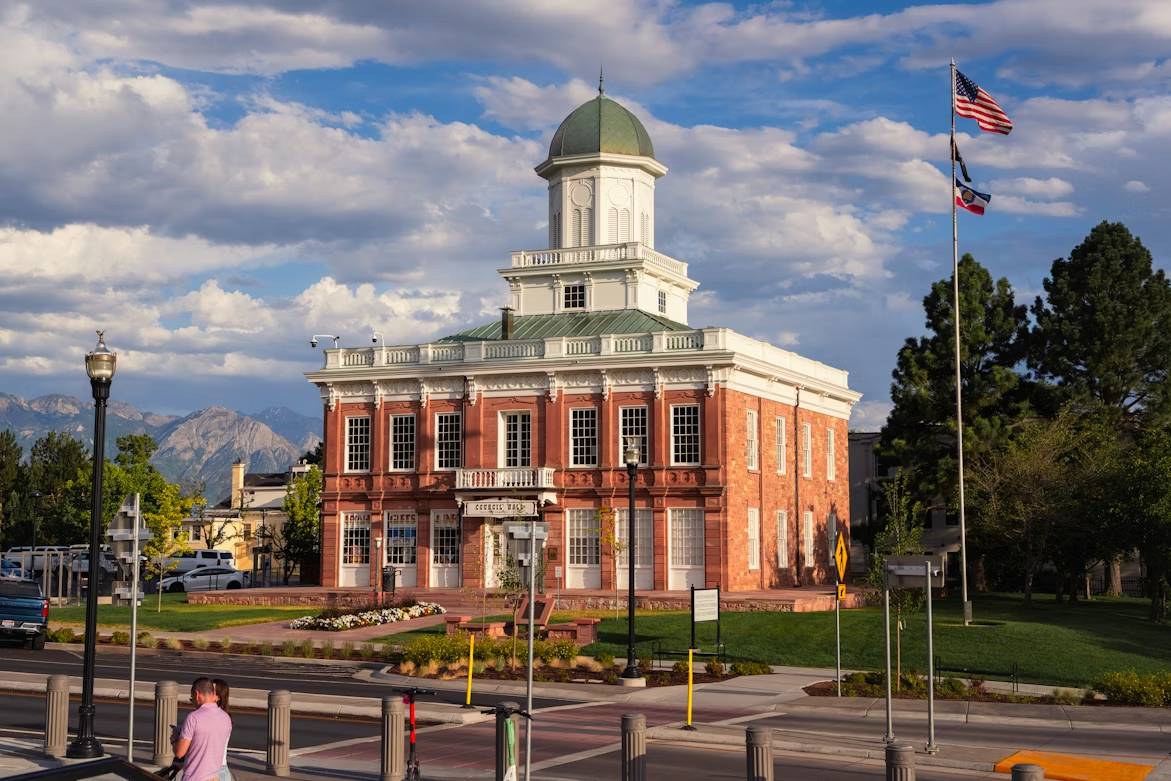
Utah’s historic homes carry a distinct architectural character shaped by regional stone, early craftsmanship, and centuries of environmental exposur
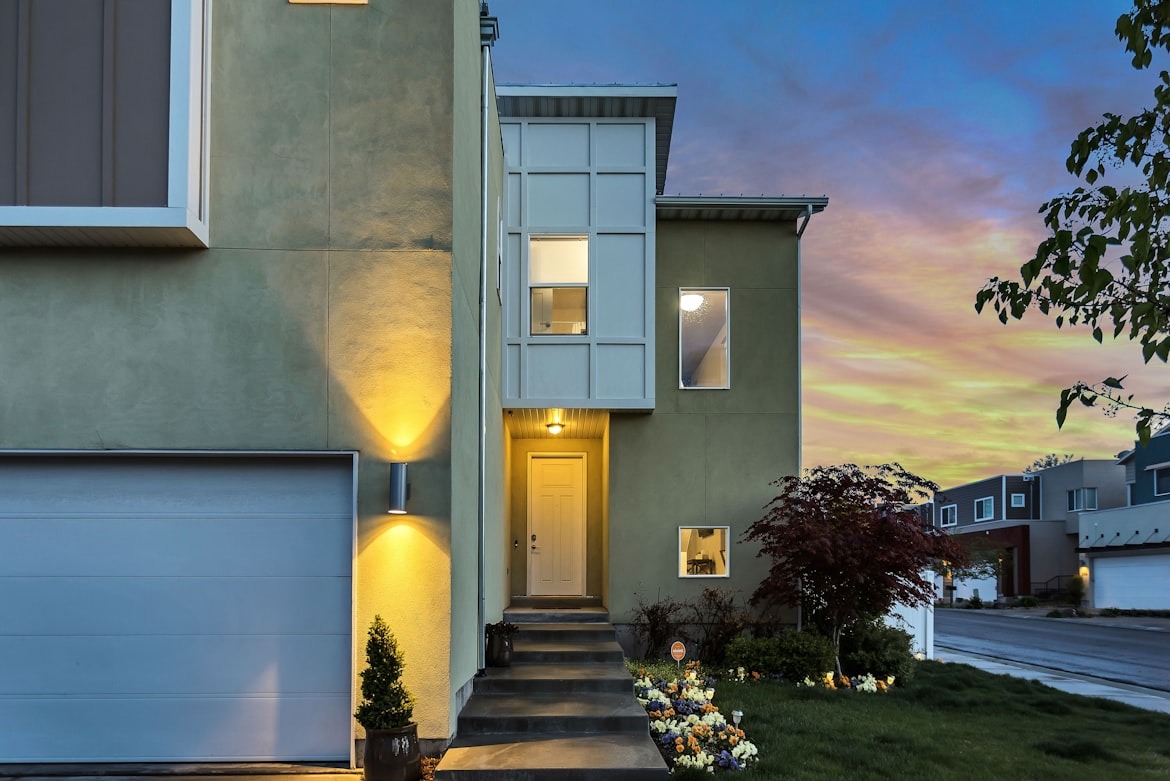
Smart home improvements do more than just lower monthly utility bills. They transform a house into a modern asset that appeals to the current generation of savvy buyers. High efficiency is now a standard expectation rather than a luxury upgrade. When you focus on the right systems, you build immediate equity while creating a more comfortable living environment for your family.

St. George summers are no joke. With temperatures regularly climbing past 105°F from June through September, a working air conditioner isn't a luxury in Southern Utah it's essential.
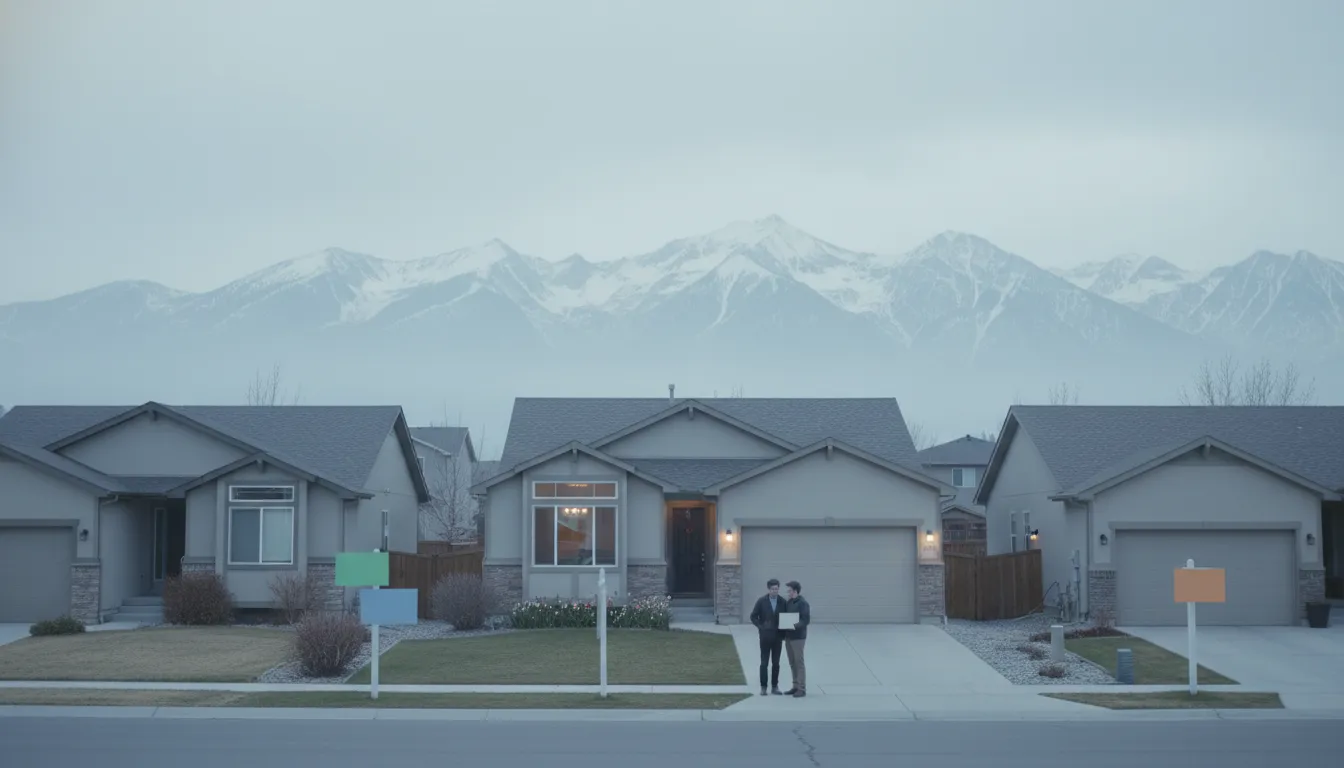
Utah’s spring housing market is showing signs of strain. Inventory is rising, contract cancellations are elevated, rents are softening, and buyer demand is not keeping pace with the number of homes hitting the market. For anyone asking whether Utah is shifting toward a buyer’s market, the latest signals point in that direction.
Access all your saved properties, searches, notes and more.
Access all your saved properties, searches, notes and more.
Enter your email address and we will send you a link to change your password.
I agree to receive marketing and customer service calls and text messages from Best Utah Real Estate. Consent is not a condition of purchase. Msg/data rates may apply. Msg frequency varies. Reply STOP to unsubscribe. Privacy Policy & Terms of Service.
Listings displayed on this website are provided via IDX. The website owner is not the listing broker or agent unless explicitly stated.
Your trusted MLS search companion