Restoring Utah’s Historic Homes: A Guide to Authentic Masonry
Utah’s historic homes carry a distinct architectural character shaped by regional stone, early craftsmanship, and centuries of environmental exposur

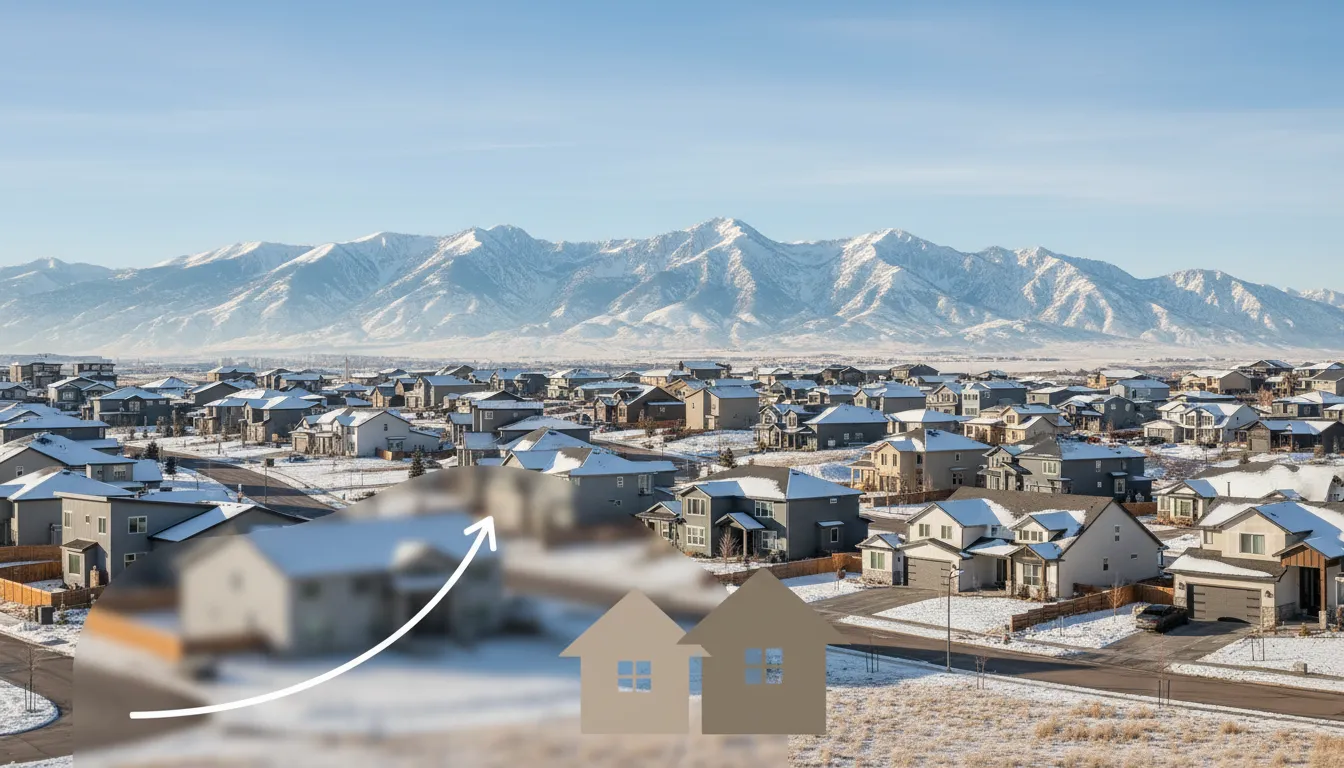
Many people approach the Utah housing market with memories of the 2021 to 2023 boom. The problem is that the rules of the game have changed. In 2026, the Utah market is described as normalizing instead of crashing, with buyers gaining more leverage as competition cools and interest rates slowly shift.
Across Utah, home prices are not described as falling sharply. Instead, the market is framed as moving from an overheated period to a more stable and predictable pace.
One data point given is the median home price around $574,000, up about 1.8% year over year. The key takeaway is that prices are not “exploding” anymore, but they also are not portrayed as collapsing.
A major reason offered is that large national price crashes historically occur only in extreme conditions, such as the Great Depression and the Great Recession era. Today’s housing system is described as meaningfully different, including tighter lending practices and less reliance on subprime-style borrowing.
The practical answer is: not expected. The forecast framing is that prices are shifting toward stability and sustainability rather than a major drop.
That said, affordability remains a real concern, largely because interest rates are high. When rates rise, monthly payments rise even if purchase prices do not.
The market change most emphasized is interest rates. Rates are described as affecting both buyers and sellers. For sellers, moving becomes harder when the new home would mean giving up a low-rate mortgage and taking a higher one.
Industry expectations mentioned include a potential move back below 6% and even into the mid-fives before the end of the year, though rates can move around due to world events.
A key “buyer impact” threshold shared is that if rates fall to around 5.5% or below, more buyers may re-enter the market, since even modest rate drops can materially improve buying power.
In the shifting Utah market, two trends stand out: inventory is rising and fewer homes are selling above asking price compared with the peak frenzy years.
When competition is lower, buyers can often negotiate beyond just the purchase price, such as:
A central strategy described is not waiting for the “perfect” mortgage rate. Instead, buying with an intentional plan to refinance later is presented as a way to balance timing and affordability.
That approach matters because peak bidding behavior seen earlier, such as waiving inspections and contingencies, making large earnest money commitments, and using escalation clauses and appraisal guarantees, is framed as no longer the norm.
For sellers, the message is that pricing strategy matters more than it did in the most chaotic periods.
Overpricing “out of the gate” is described as a fast way to extend time on market and eventually force price reductions. The result can be selling for less than if the home had been priced correctly at the start.
Three marketing items emphasized are:
If a seller prices and presents well, success is described as achievable even in a more balanced environment.
One of the strongest opportunities presented is new construction. In some areas of Utah, it is described as potentially cheaper to build than to buy an existing home.
Builders are described as wanting to avoid being stuck with unsold inventory. That can lead to incentives such as:
New construction is framed as offering:
Even with a short-term cooldown, Utah is described as remaining a hotspot due to long-term fundamentals. The reasons given include:
That last point ties to the supply and demand theme: even if the market cools temporarily, the long-term shortage of homes can keep the outlook constructive.
The focus is on Utah statewide conditions, but the market context also applies to major Utah metros, including Salt Lake City. When rates soften and inventory rises, competition generally becomes less extreme, which can change negotiation outcomes in both northern and central Utah.
If a relocation to a specific Utah community is part of the decision, it can help to compare neighborhood-level tradeoffs before committing to a purchase strategy. For example, information about new construction vs. pre-owned can be especially relevant depending on whether incentives are strong in the target area.
The Utah housing market in 2026 is framed as normalizing, not crashing. For buyers, that creates a more negotiation-focused environment, especially if mortgage rates improve. For sellers, the path to success depends on correct pricing and strong presentation. The long-term story still leans on supply constraints and ongoing migration, which supports a constructive outlook beyond the short-term cooldown.
For those planning a search across Utah communities, a statewide listings portal is available at bestutahrealestate.com.
Is the Utah housing market crashing in 2026?
No. The outlook provided frames 2026 as a period of normalization, not a crash, with prices described as stable rather than dropping sharply.
What matters most for buyers in Utah right now?
Mortgage interest rates. The strategy guidance focuses on rate movement and how it changes monthly payments, leverage, and offer terms.
Are home prices in Utah expected to fall significantly?
The expectation is not for a large crash. Prices are described as no longer surging, with small year-over-year changes rather than a major decline.
Will buyers have an easier time negotiating in 2026?
Yes, leverage is described as increasing. With inventory up and fewer homes selling above asking, buyers are positioned to request concessions, closing cost help, and in many cases inspections.
Should Utah buyers wait for the perfect interest rate?
The recommended approach is to avoid waiting for perfection. Instead, buy strategically and consider a refinance plan if rates improve later.
Is new construction worth considering in Utah in 2026?
It can be. Incentives such as rate buy-downs, closing cost contributions, and upgrade packages are described as common ways builders improve affordability.
What is the biggest mistake Utah sellers make in a shifting market?
Overpricing. The guidance is to price correctly from the start and avoid long market times that can lead to inevitable reductions.
Where can sellers focus besides pricing?
Presentation and marketing, especially cleanliness, staging, and professional photography, are emphasized as critical in a strategy-driven market.
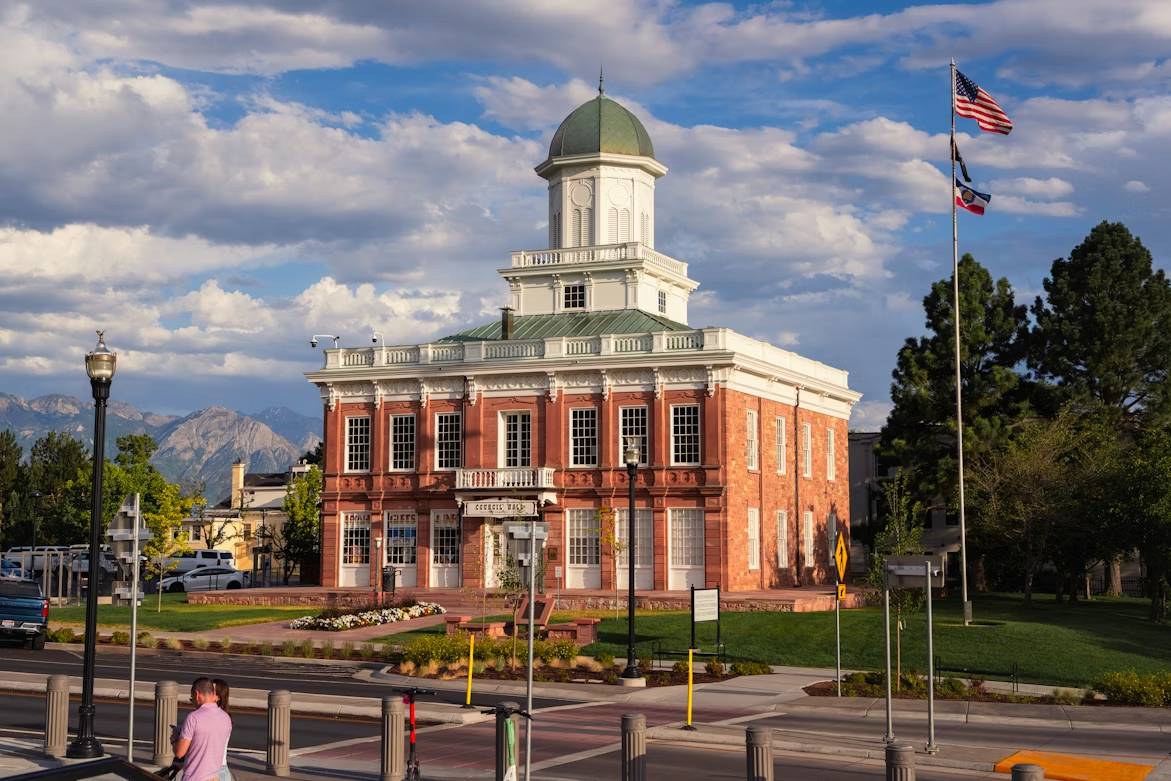
Utah’s historic homes carry a distinct architectural character shaped by regional stone, early craftsmanship, and centuries of environmental exposur
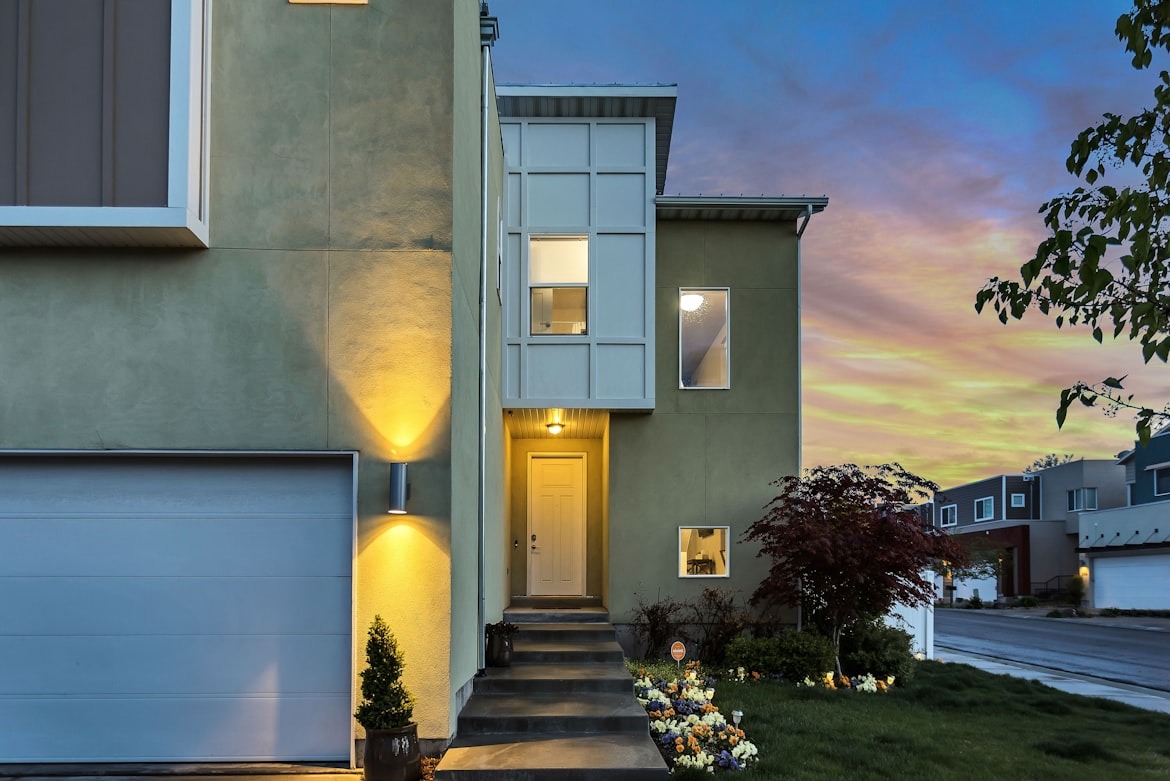
Smart home improvements do more than just lower monthly utility bills. They transform a house into a modern asset that appeals to the current generation of savvy buyers. High efficiency is now a standard expectation rather than a luxury upgrade. When you focus on the right systems, you build immediate equity while creating a more comfortable living environment for your family.

St. George summers are no joke. With temperatures regularly climbing past 105°F from June through September, a working air conditioner isn't a luxury in Southern Utah it's essential.
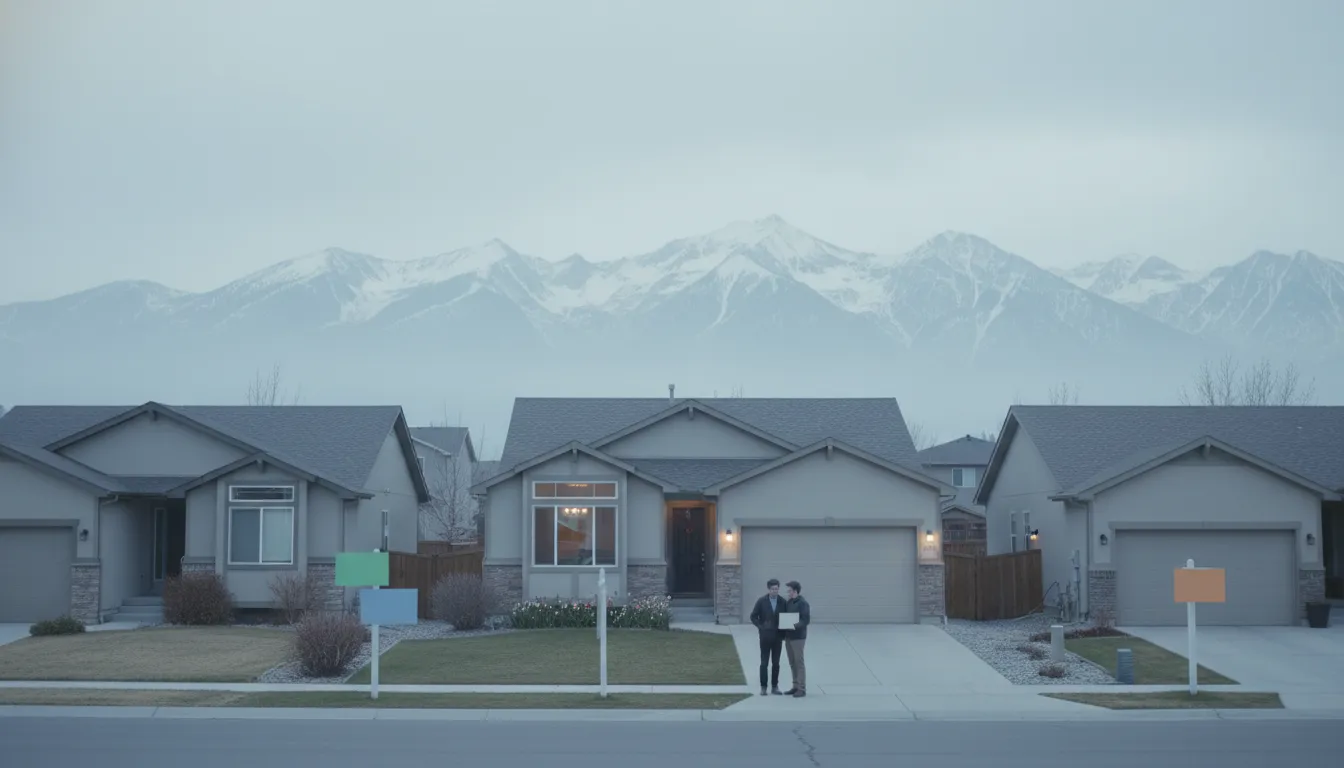
Utah’s spring housing market is showing signs of strain. Inventory is rising, contract cancellations are elevated, rents are softening, and buyer demand is not keeping pace with the number of homes hitting the market. For anyone asking whether Utah is shifting toward a buyer’s market, the latest signals point in that direction.
Access all your saved properties, searches, notes and more.
Access all your saved properties, searches, notes and more.
Enter your email address and we will send you a link to change your password.
I agree to receive marketing and customer service calls and text messages from Best Utah Real Estate. Consent is not a condition of purchase. Msg/data rates may apply. Msg frequency varies. Reply STOP to unsubscribe. Privacy Policy & Terms of Service.
Listings displayed on this website are provided via IDX. The website owner is not the listing broker or agent unless explicitly stated.
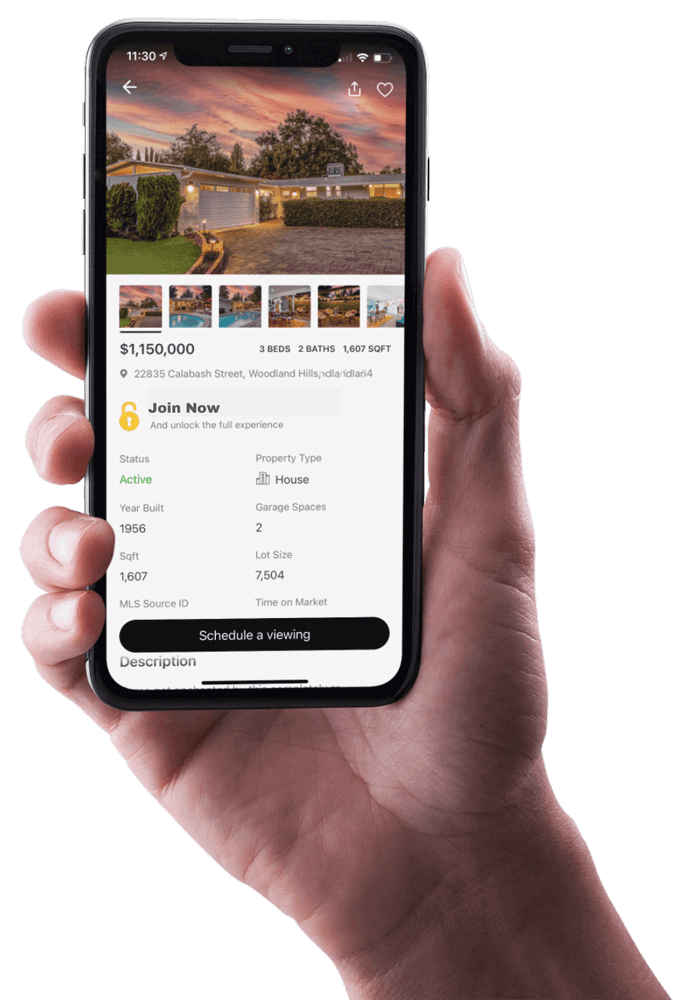
Your trusted MLS search companion