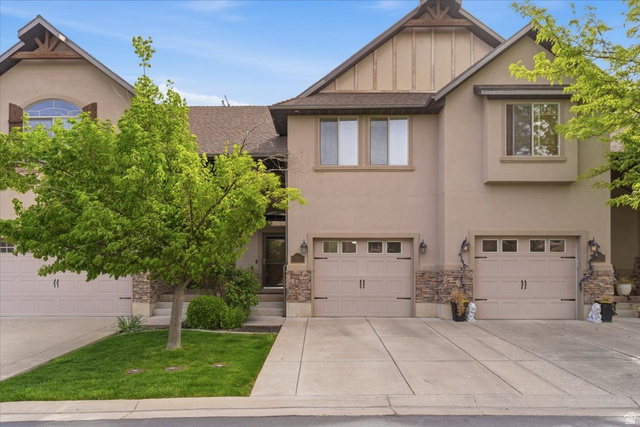
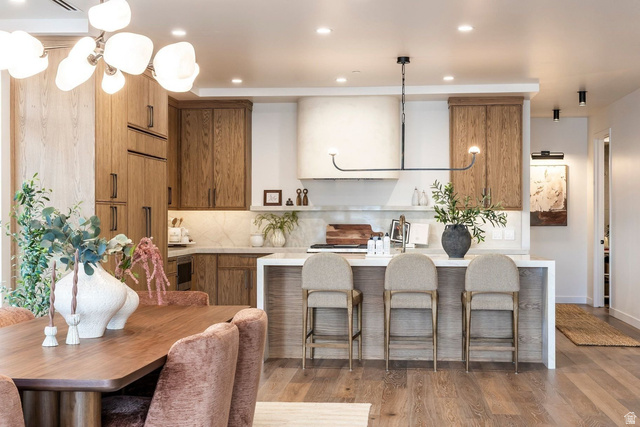
Restoring Utah’s Historic Homes: A Guide to Authentic Masonry
Utah’s historic homes carry a distinct architectural character shaped by regional stone, early craftsmanship, and centuries of environmental exposur

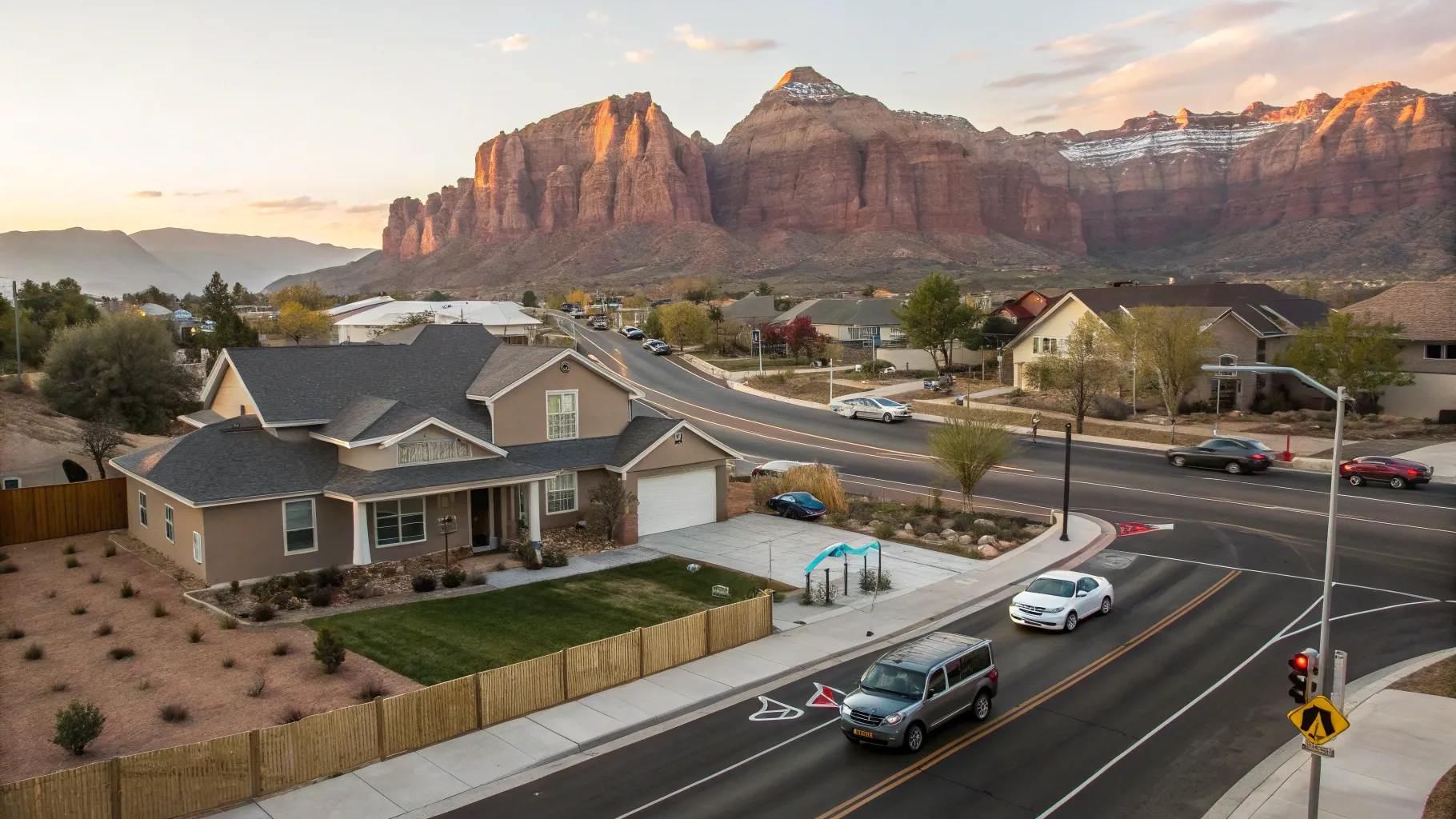
Buying a home in Utah requires more than judging curb appeal and price. Certain property types carry hidden risks that can lead to expensive repairs, higher insurance costs, and damaged resale value. The following guide outlines five categories of properties that buyers should evaluate very carefully before committing. Each section explains why the property type is risky, how to spot red flags, and what due diligence steps protect a buyer's investment.
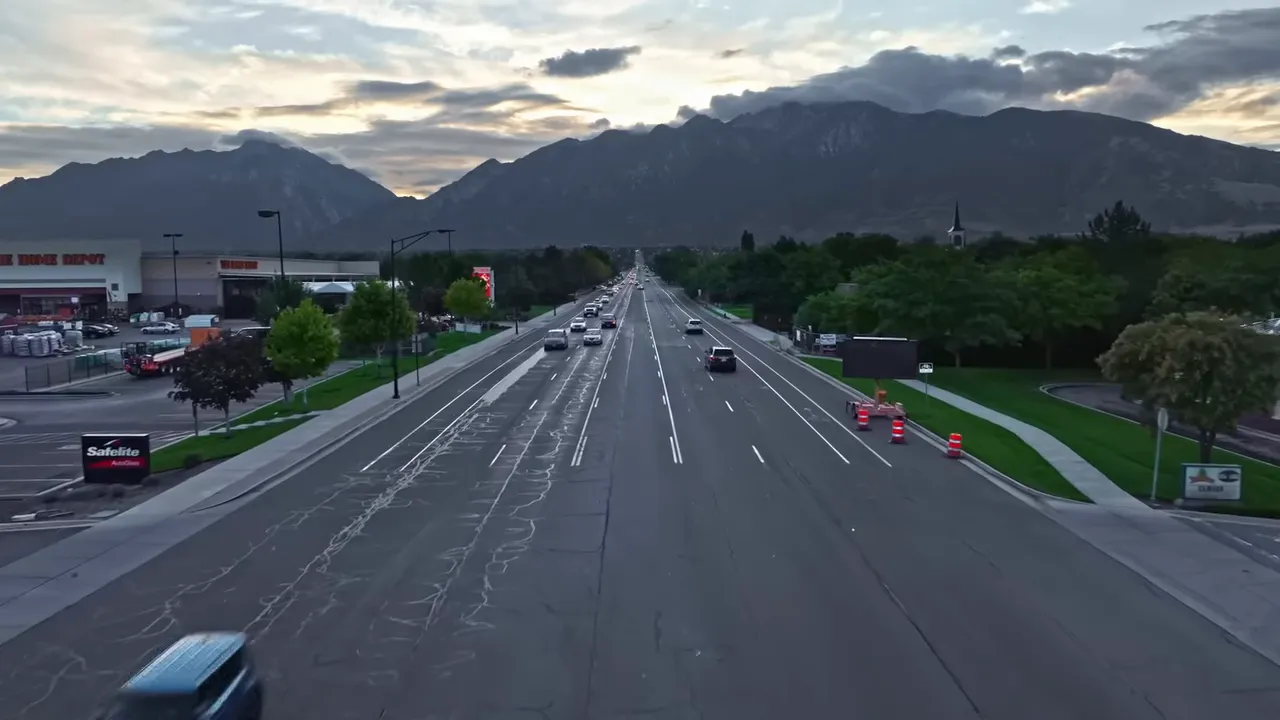
Properties adjacent to or facing major surface streets often trade lower purchase price for long-term drawbacks. Appraisers, buyers, and future sellers recognize the downsides: a typical resale penalty can reach 15 percent or more simply because a home backs to or faces a busy road. Other consequences include higher homeowners insurance, persistent noise, poorer air quality from constant traffic, and an overall increase in daily stress.
Key warning signs
Protection steps
Renovated and staged properties can look turnkey, but cosmetic upgrades often conceal larger deficiencies. Many flippers focus on visual improvements that increase saleability and may skip permits, omit structural engineering when removing walls, or use unlicensed tradespeople for systems work. The most costly surprises usually involve the roof, foundation, HVAC, plumbing, and electrical systems.
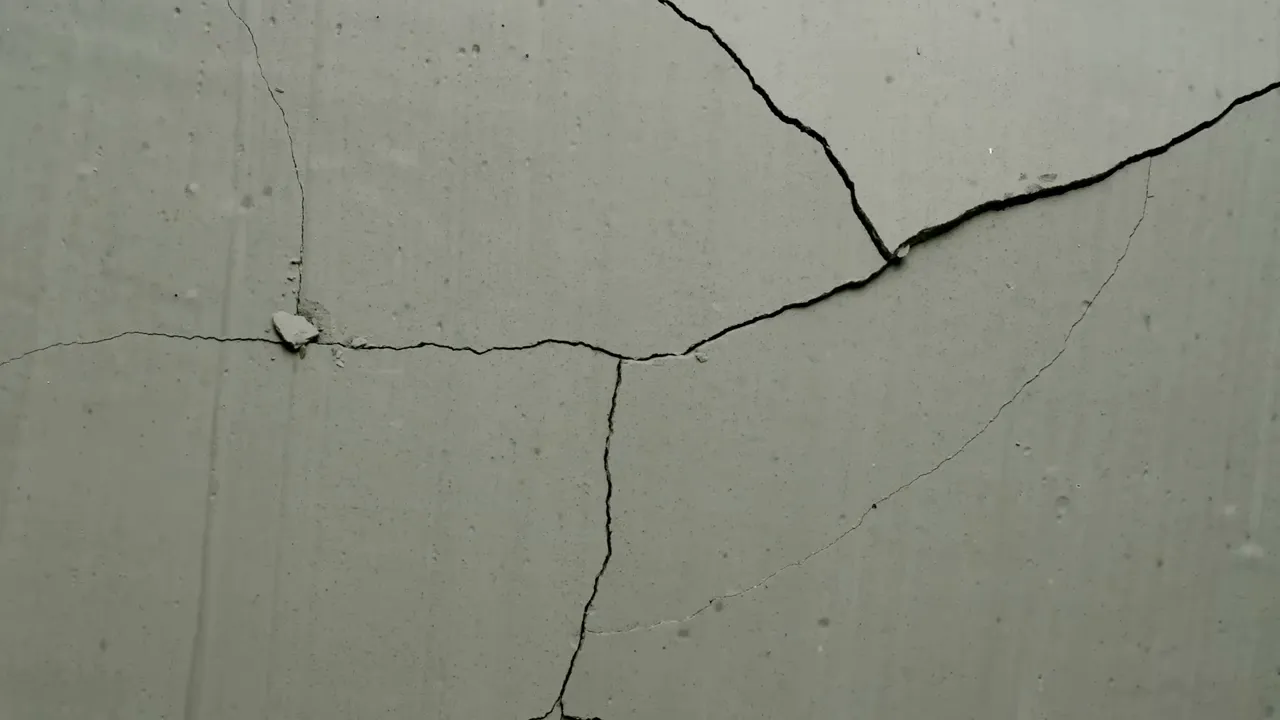
Common problems with flipped homes
Due diligence checklist
Solar arrays can reduce utility bills, but the purchase structure matters. Leased systems transferred to a buyer rarely provide the same financial benefit as owned systems. Long-term leases can be overpriced when compared to the actual electricity savings, and they complicate financing and resale.
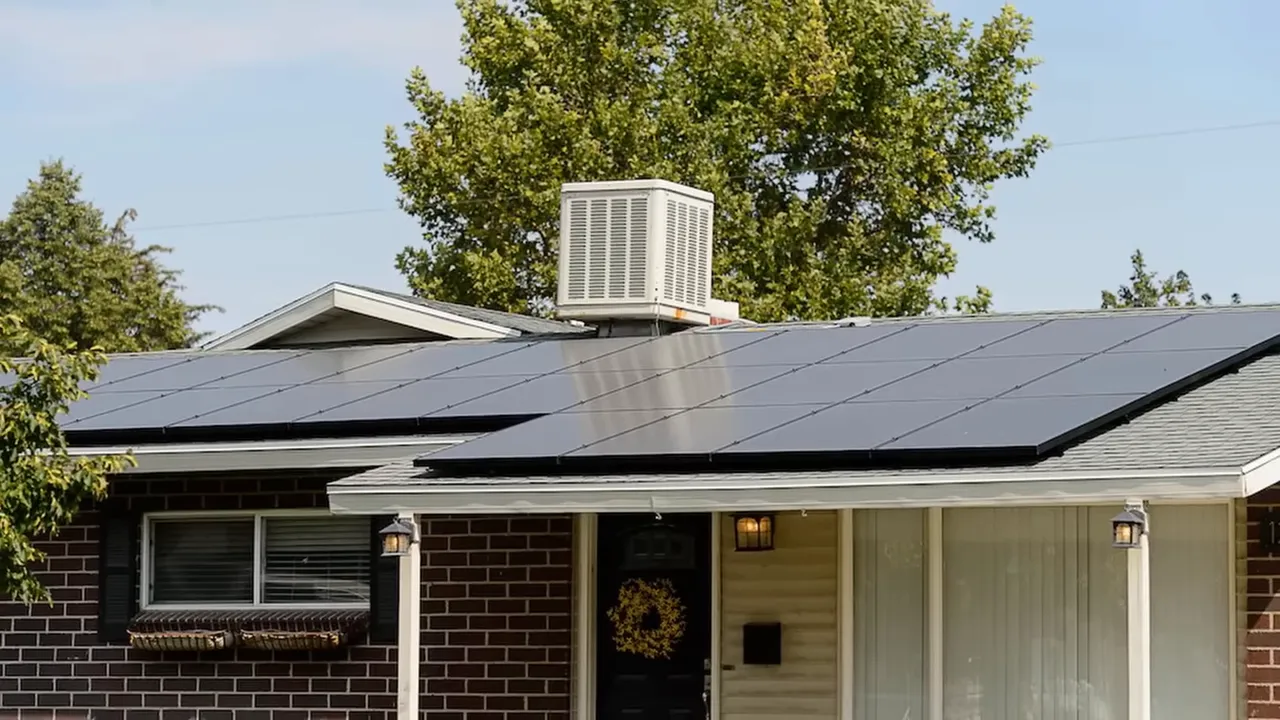
Roof and installation risks
Questions to ask
Some properties are priced low for good reason. Hidden liabilities can include environmental contamination, flood history, sinkholes, easements that limit access, and active legal disputes such as HOA lawsuits. Historic district restrictions can also make renovations costly and logistically complex. These problems are often revealed in seller disclosures or title reports and can dramatically affect both habitability and resale value.
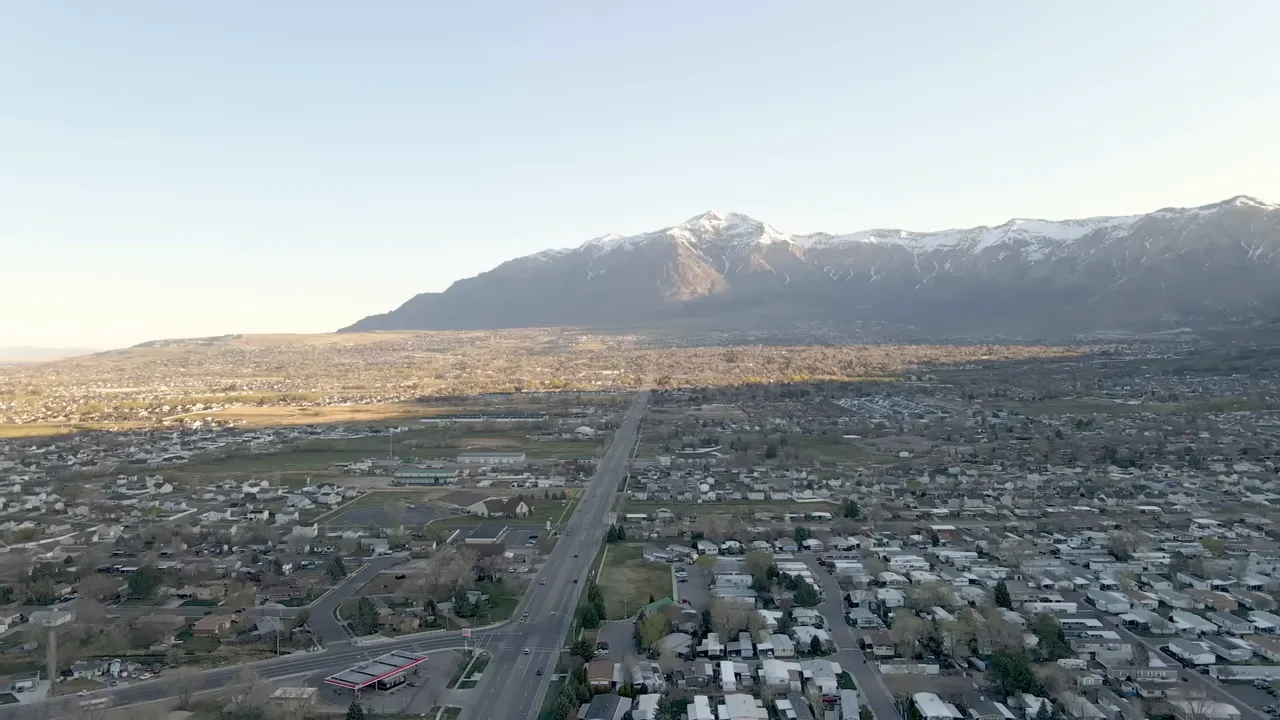
Types of large issues to investigate
How to investigate
Soil and foundation problems are among the most expensive and disruptive risks in Utah. Examples include homes built on poorly compacted fill or in areas prone to landslides. Even when soil tests were performed, execution failures during development can lead to settlement, foundation cracking, or, in extreme cases, condemned properties. Older neighborhoods can also hide sewer damage from tree roots and other aging infrastructure concerns.
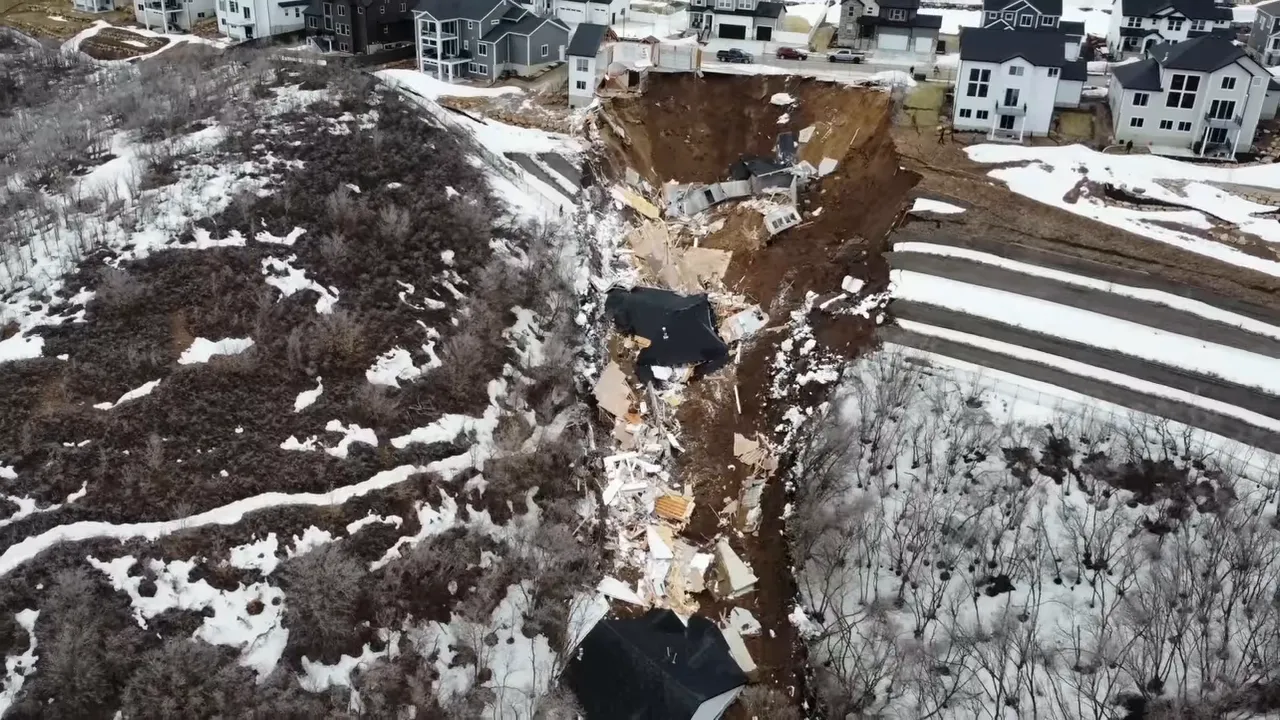
Red flags that suggest soil or structural risk
Inspection and reporting strategy
Buyers should approach every property with a layered due diligence plan. That plan should include permit research with municipal records, a licensed home inspection, and follow-up specialist inspections when warranted. Seller disclosures are vital; missing or incomplete disclosures should prompt additional scrutiny. For historic homes or properties with known neighborhood issues, expect higher renovation costs and longer permitting timelines.
Specialized resources that can help include state licensing lookups for contractors and local planning department records. For general Utah real estate listings and local market resources, consult https://bestutahrealestate.com. For regulatory or statewide data, authoritative resources such as utah.gov and nar.realtor offer useful background information.
Purchasing a home in Utah requires more than assessing aesthetics and price. Preventing a poor investment starts with identifying high-risk property types: those next to major roads, flipped homes with insufficient documentation, leased solar systems, properties with hidden legal or environmental issues, and homes built on unstable soil. Layered due diligence—permits, inspections, and specialist reports—reduces the risk of costly surprises and protects long-term value.
For additional local market information and current Utah property listings, visit https://bestutahrealestate.com.
How much can a busy road reduce a home's resale value?
A home that backs to or faces a major surface street can lose roughly 15 percent or more of its resale value compared to similar homes not adjacent to heavy traffic, due to noise, air quality, and buyer preferences.
Are all flipped homes risky purchases?
Not all flipped homes are problematic, but a significant portion--estimated at 70 to 80 percent in many markets--have cosmetic upgrades that mask underlying system or structural issues. Always verify permits and obtain system-focused inspections before purchase.
What should a buyer do if solar panels are leased?
Confirm whether the lease transfers to the buyer and obtain full lease terms. Consider having the system evaluated for performance and verify whether the seller will pay off the lease at closing. Factor potential re-roofing costs and uninstall/reinstall fees into long-term ownership costs.
How can soil issues be detected before buying?
Begin with a visual inspection for settlement signs and review property disclosures and municipal records. If concerns arise, order a structural engineering report and a geotechnical evaluation to determine soil stability and estimate remediation costs.
What is the role of seller disclosures in uncovering major issues?
Seller disclosures often reveal past damage, remediation, or ongoing problems. They provide a starting point for targeted questions and inspections. Missing disclosures are themselves a red flag and should prompt additional investigation.
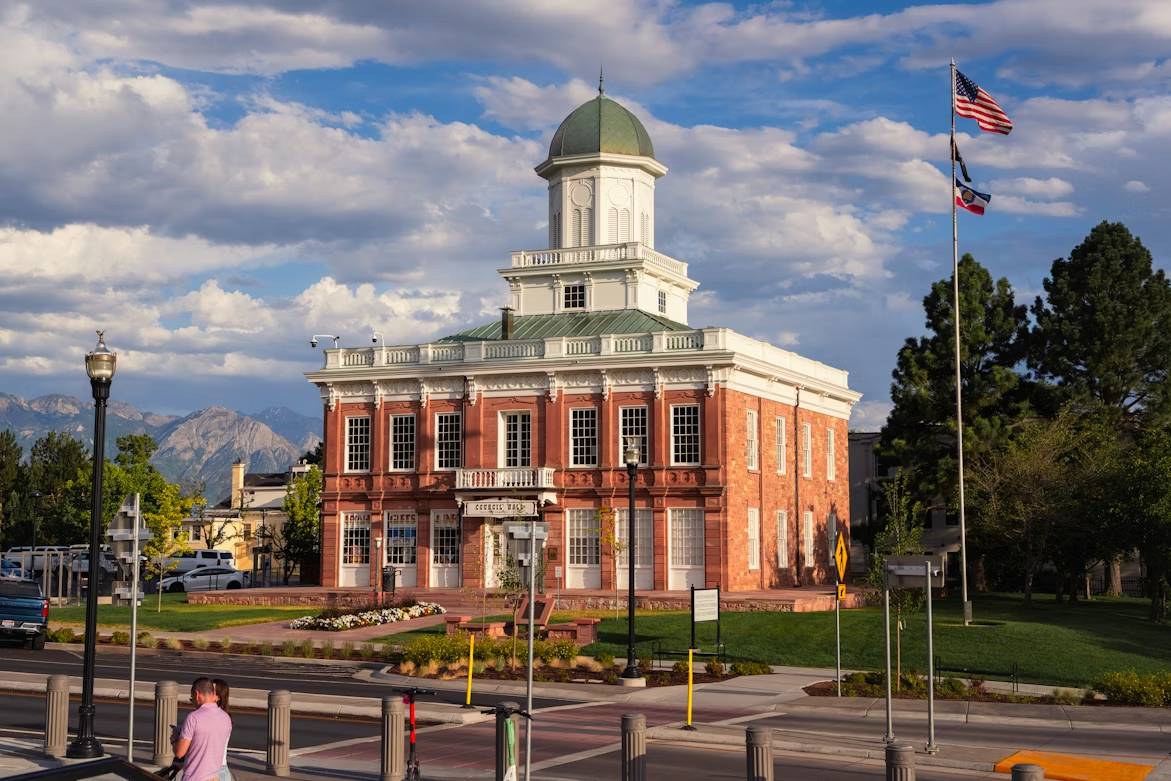
Utah’s historic homes carry a distinct architectural character shaped by regional stone, early craftsmanship, and centuries of environmental exposur
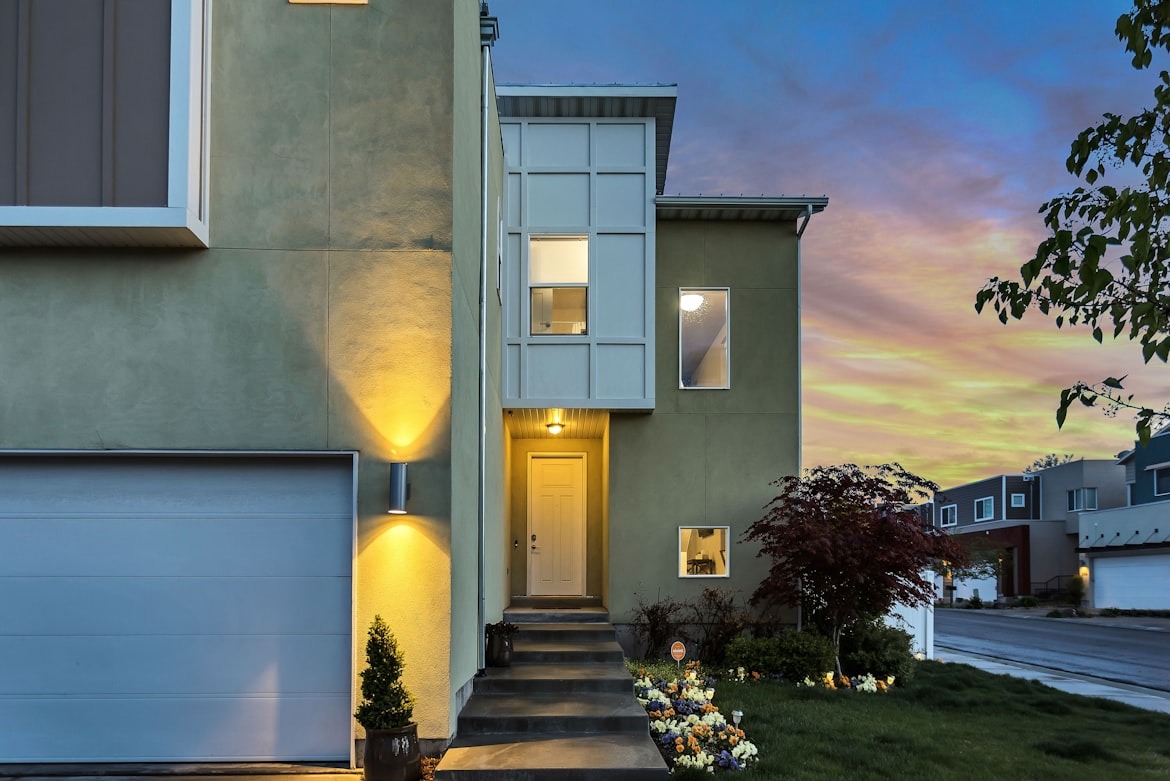
Smart home improvements do more than just lower monthly utility bills. They transform a house into a modern asset that appeals to the current generation of savvy buyers. High efficiency is now a standard expectation rather than a luxury upgrade. When you focus on the right systems, you build immediate equity while creating a more comfortable living environment for your family.

St. George summers are no joke. With temperatures regularly climbing past 105°F from June through September, a working air conditioner isn't a luxury in Southern Utah it's essential.
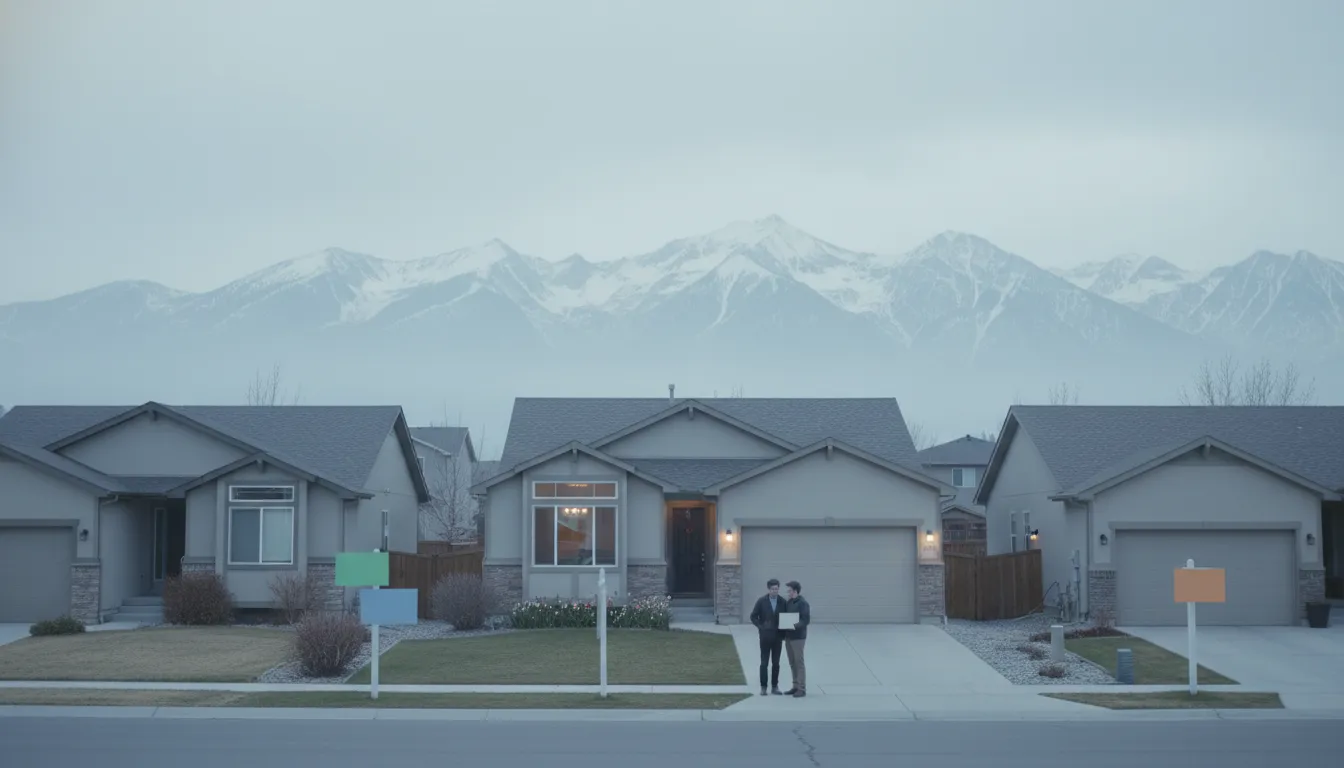
Utah’s spring housing market is showing signs of strain. Inventory is rising, contract cancellations are elevated, rents are softening, and buyer demand is not keeping pace with the number of homes hitting the market. For anyone asking whether Utah is shifting toward a buyer’s market, the latest signals point in that direction.
Access all your saved properties, searches, notes and more.
Access all your saved properties, searches, notes and more.
Enter your email address and we will send you a link to change your password.
I agree to receive marketing and customer service calls and text messages from Best Utah Real Estate. Consent is not a condition of purchase. Msg/data rates may apply. Msg frequency varies. Reply STOP to unsubscribe. Privacy Policy & Terms of Service.
Listings displayed on this website are provided via IDX. The website owner is not the listing broker or agent unless explicitly stated.
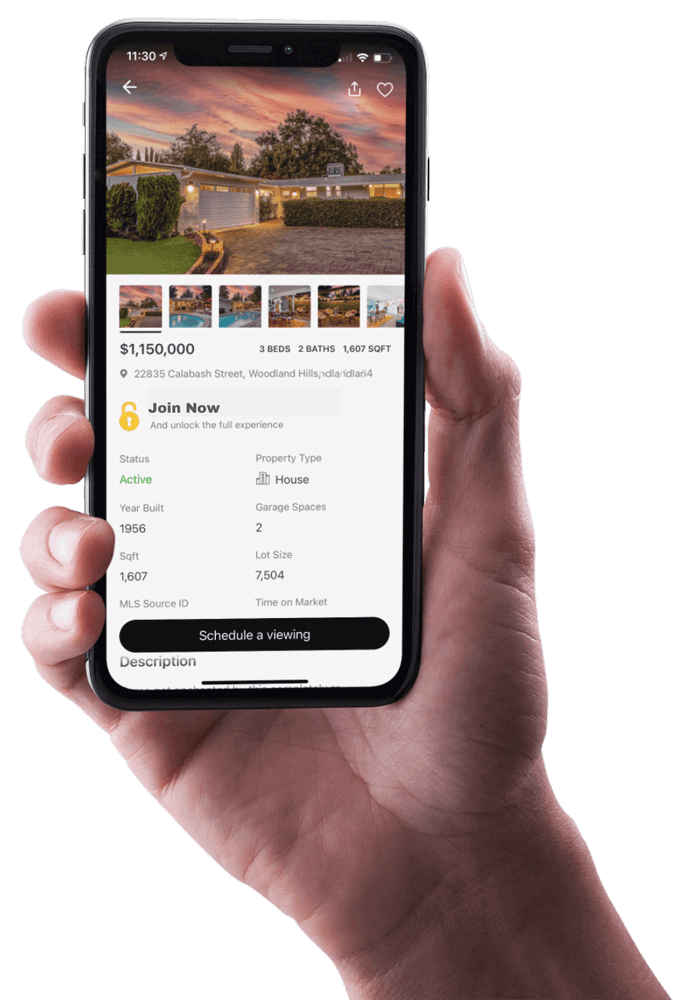
Your trusted MLS search companion