Restoring Utah’s Historic Homes: A Guide to Authentic Masonry
Utah’s historic homes carry a distinct architectural character shaped by regional stone, early craftsmanship, and centuries of environmental exposur

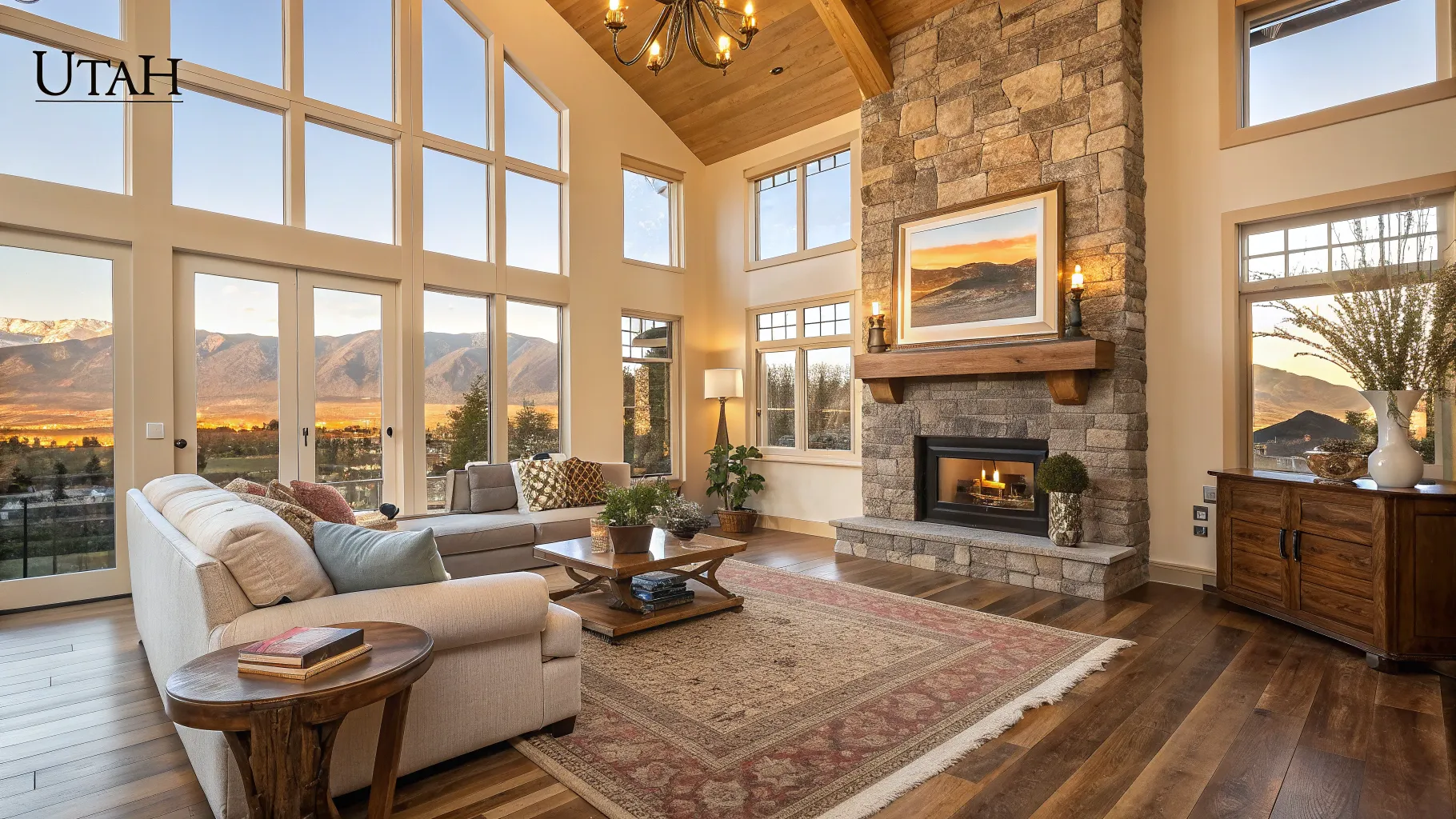
Utah homeowners, buyers, and investors face a unique mix of design demands. Mountain light, wide seasonal swings, and evolving neighborhood aesthetics influence how interiors and exteriors age, show, and sell. As design preferences shift entering 2026, several high-profile trends are receding. This article identifies five trends that no longer serve longevity or resale in most Utah contexts and offers tactical, regionally minded alternatives that add warmth, curb appeal, and timeless value.
The intent is practical: preserve resale value across Utah markets, avoid frequent costly renovations, and create homes that feel inviting year-round. Advice focuses on materials, finish choices, lighting strategies, and color direction suited to Utah climates and buyer expectations. Where renovation decisions intersect with resale strategy, guidance is framed to help owners and prospective buyers make informed choices rather than chase ephemeral looks.
Trends influence what gets specified in new builds and what buyers expect when touring homes in Salt Lake City, Park City, St. George, and surrounding communities. However, following every trend can create regret, especially when the trend is widespread across neighborhoods. When a finish becomes ubiquitous, it risks dating the home—making it obvious that a property was built or renovated during a particular style cycle.
For Utah properties, the stakes include local resale comparables, homeowner association rules in master planned communities, and material performance under strong sun, dry heat, or snowy winters. Selecting finishes and treatments that balance current taste with tested longevity means fewer renovations, less turnover in tenant-occupied properties, and more competitive listings across diverse Utah neighborhoods.
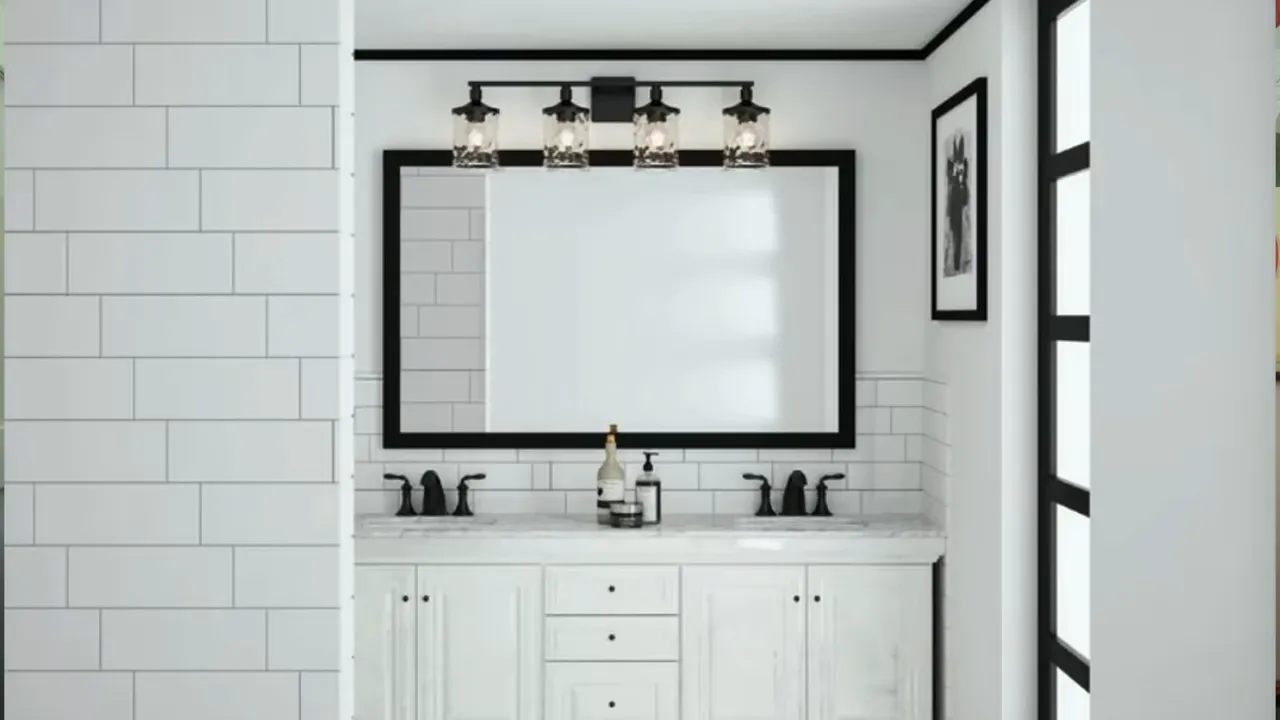
High-contrast black and white interiors dominated a wave of new construction and renovations, often portrayed as modern, crisp, and visually striking. Yet in many areas of Utah, that ultra-minimal, graphic approach undermines the sense of warmth that buyers value. Stark interiors create sharp visual boundaries where gradual, soothing transitions would better support day-to-day living.
In Utah markets where indoor-outdoor living matters, such as homes near the Wasatch Range or in southern desert communities, tonal warmth and layered textures make interiors feel inviting and authentic. Harsh contrasts can emphasize imperfections and make daylight look colder. For families and long-term occupants, the goal is a space that reads as collected and comfortable rather than showroom-pure.
Practical alternatives:
For staging a Utah property, moderate contrast enables light to play across surfaces without producing the cold, clinical impression that can deter buyers who crave cozy mountain or desert retreats.
Flat black faucets and plumbing fixtures surged into mainstream specifications for kitchens and baths. Initially perceived as a timeless neutral, the heavy, attention-grabbing appearance of black finishes often competes with other elements rather than allowing finishes to integrate gracefully.
In Utah homes, where finishes need to perform visually under bright natural light and indoors under lamp light during long winter nights, a few considerations matter:
Recommended adjustments:
White walls became a dominant trend after years of gray and paper-bag browns. White interiors read as airy and bright, which appealed to many buyers. However, when white becomes the default in every neighborhood, it becomes a timestamp rather than a timeless choice. In Utah, where seasons alter tonal temperature dramatically, pure white walls can feel sterile in winter and glaring in summer.
Design professionals increasingly recommend nuanced, pale neutrals over stark white for everyday walls. These subtle creams and pale beiges—sometimes called complex creams—offer the flexibility of white finishes for kitchens and baths while providing depth and warmth to living areas.
How to choose wall neutrals for Utah homes:
Sample strategy for kitchen and living areas:
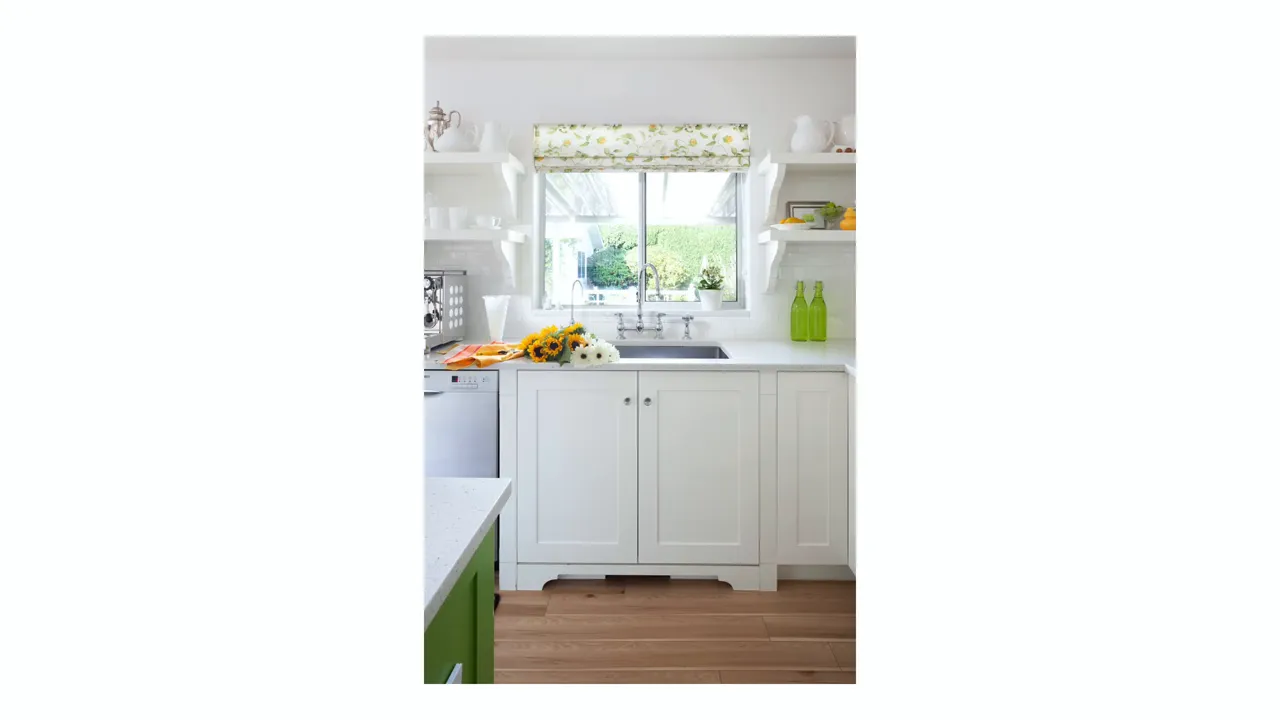
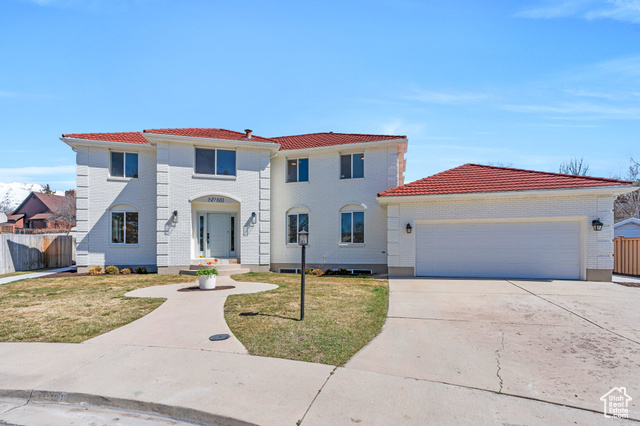
Black and white exterior palettes became a shorthand for modern renovation looks. While dramatic, a uniform black and white streetscape across entire subdivisions reduces individuality and can mark a property as a product of a specific trend window. That may matter in Utah neighborhoods where buyers prefer harmony with local materials and landscapes.
Exterior paint choices are part of a home's first impression and can influence perceived value. On a hill in Salt Lake County or a desert tract near St. George, surfaces age differently under sun and snow. Dark cladding absorbs heat and can accelerate material wear in intense summer sun. Bright white highlights dirt and requires more frequent upkeep in dusty or snowy environments.
Guidance for Utah exterior palettes:
If a property already has a high-contrast black and white exterior, the quickest route to avoid appearing dated is staging and landscaping. Front-door color, mature planting, and exterior lighting can soften hard lines and make the house feel established rather than trendy.
Recessed pot lights became ubiquitous because they are easy to specify and provide functional illumination. However, too many recessed fixtures flatten rooms and eliminate the mood-building component essential to creating inviting interiors. Atmosphere matters acutely in Utah, where long winter nights and evenings after outdoor recreation call for layered, comfortable lighting.
Design principles for lighting in Utah homes:
Practical steps for retrofits and staging:
Utah's climate diversity—from high alpine environments to arid desert valleys—affects material selection, exterior color fading, and maintenance frequency. Light-colored exteriors reflect heat in hot southern Utah summers, reducing thermal stress. Darker finishes may accelerate exterior degradation in intense sun. Interiors near ski areas or high-elevation locales require robust humidity and finish strategies due to snow melt and heated interiors.
Specific maintenance considerations:
Decorating is a cost-effective tool to refresh a property before listing. Simple, targeted updates often deliver a higher return on investment than structural renovations when the objective is attracting buyers or improving tenant satisfaction.
Cost-conscious staging strategies for Utah homes:
Different Utah markets exhibit varying levels of sensitivity to design trends. Luxury properties in Park City may withstand bolder or more curated design choices, provided they align with the lifestyle buyers expect. Conversely, entry-level and family-focused neighborhoods in Salt Lake City, South Jordan, and St. George benefit from broadly appealing, warm, and practical finishes.
Investors and sellers should study recent comparable sales and listing photography to determine how far to lean toward trend-forward choices. When in doubt, a restrained neutral palette with layered accents and high-quality, durable finishes typically broadens buyer appeal and reduces time on market.
Market resources for Utah data include the state government and national market reports, which can be consulted for seasonal trends and economic indicators: https://www.utah.gov and https://www.nar.realtor.
For local property searches and market-specific listings, reference the main Utah real estate portal: https://bestutahrealestate.com
When budgeting for updates before listing or long-term habitation, prioritize interventions that change perception at modest cost. High-impact, lower-cost investments often include lighting edits, paint, and hardware. These choices recalibrate a home's character immediately and can be executed in days rather than months.
More substantial expenditures, such as changing plumbing fixtures or re-siding, may be worthwhile for long-term retention or if comparative market analysis shows a clear premium for particular finishes in a neighborhood. For investors in Utah, weigh the expected increase in rent or sale price against replacement and maintenance costs specific to local climates and buyer expectations.
As 2026 approaches, the design conversation is moving away from stark contrasts, monolithic whites, and ubiquitous matte black fixtures toward warmth, nuance, and layered finishes. For Utah homeowners, buyers, and investors, the most strategic approach balances current taste with local climate realities and resale potential. Prioritizing warm neutrals, thoughtful lighting, durable finishes, and modest exterior palettes will protect value, reduce renovation frequency, and make homes feel welcoming in every season.
When planning updates, start with a maintenance audit and a targeted staging plan. Often, paint, lighting, and hardware changes produce the biggest perceptual improvements for the least expense. For market-specific guidance and local listings, consult reputable Utah real estate resources and market reports to align design choices with neighborhood expectations.
What are the most resilient exterior colors for Utah homes that avoid feeling trendy?
Warm neutrals and muted colors inspired by local landscapes tend to age well across Utah. Soft sage, warm taupe, and stone-inspired grays harmonize with mountain and desert backdrops and resist appearing dated. Avoid extremes of pure black and stark white as overarching schemes. Accent darker trims more selectively and use materials such as natural stone and cedar to anchor aesthetic decisions.
Are matte black faucets a bad investment in Utah because of hard water?
Matte black finishes can reveal mineral deposits more readily in regions with hard water. If replacing fixtures is considered, choose finishes that balance desired style with maintenance realities. Warm brass and satin nickel often tolerate cleaning and hard water better and integrate with a wider variety of design schemes, yielding fewer perceived maintenance issues for buyers and renters.
How many recessed lights should a typical Utah living room have?
Most living rooms function better with minimal recessed lighting. A rule of thumb is to limit recessed fixtures to one or two if required for task lighting, and rely primarily on layered sources: floor lamps, table lamps, and wall sconces. Kitchens and some bathrooms will still need focused overhead lighting. Layering enhances atmosphere and reduces the visual harshness of too many ceiling lights.
What paint selection approach works best when staging a Utah home for sale?
Select pale, complex neutrals rather than stark whites to create an inviting, versatile backdrop. Neutral walls should flatter furnishings and regional light while allowing buyers to imagine personal decor. Reserve white tiles and countertops for durable, timeless surfaces and coordinate wall neutrals to those core materials. A well-chosen neutral often increases listing photos' warmth and buyer interest.
Can interior decorating steps make a black and white home feel current without major renovations?
Yes. Introducing warm colors and layered textures softens high-contrast interiors quickly. Add textiles in earthy tones, warm wood accents, brass light fixtures, and plants to introduce color without structural change. These styling moves are cost-effective and can refresh a home for listing photos or daily enjoyment.
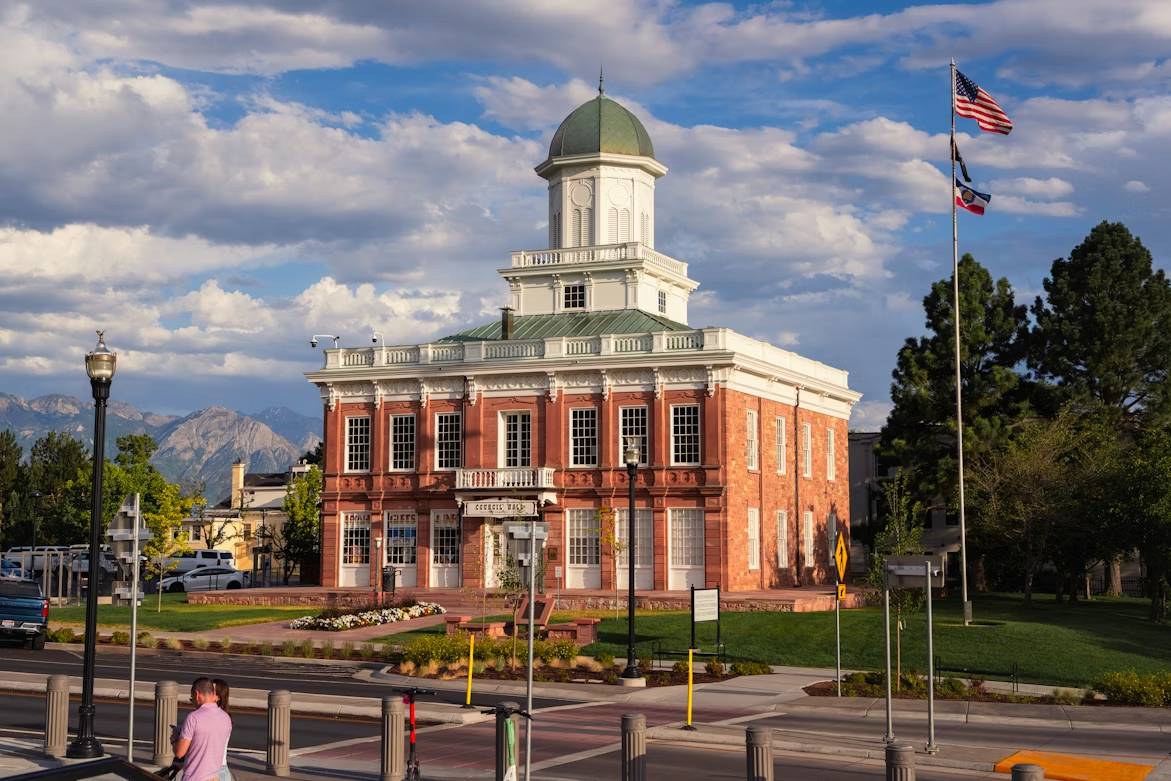
Utah’s historic homes carry a distinct architectural character shaped by regional stone, early craftsmanship, and centuries of environmental exposur
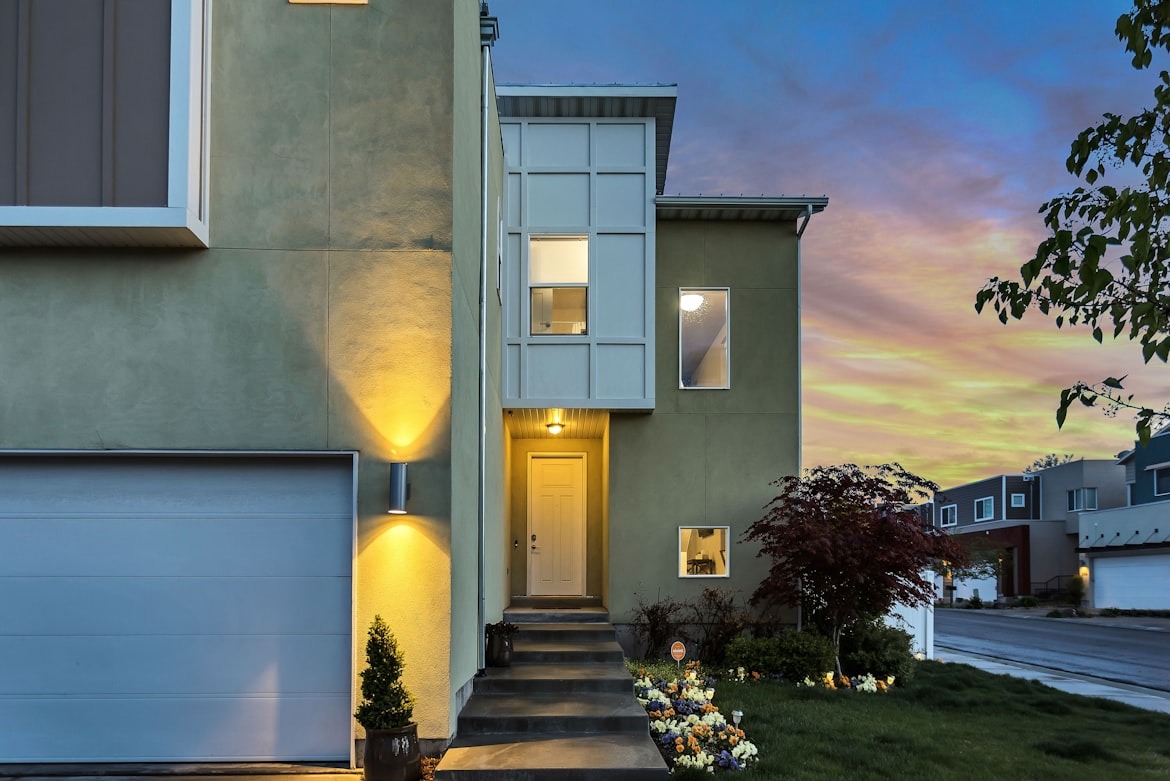
Smart home improvements do more than just lower monthly utility bills. They transform a house into a modern asset that appeals to the current generation of savvy buyers. High efficiency is now a standard expectation rather than a luxury upgrade. When you focus on the right systems, you build immediate equity while creating a more comfortable living environment for your family.

St. George summers are no joke. With temperatures regularly climbing past 105°F from June through September, a working air conditioner isn't a luxury in Southern Utah it's essential.
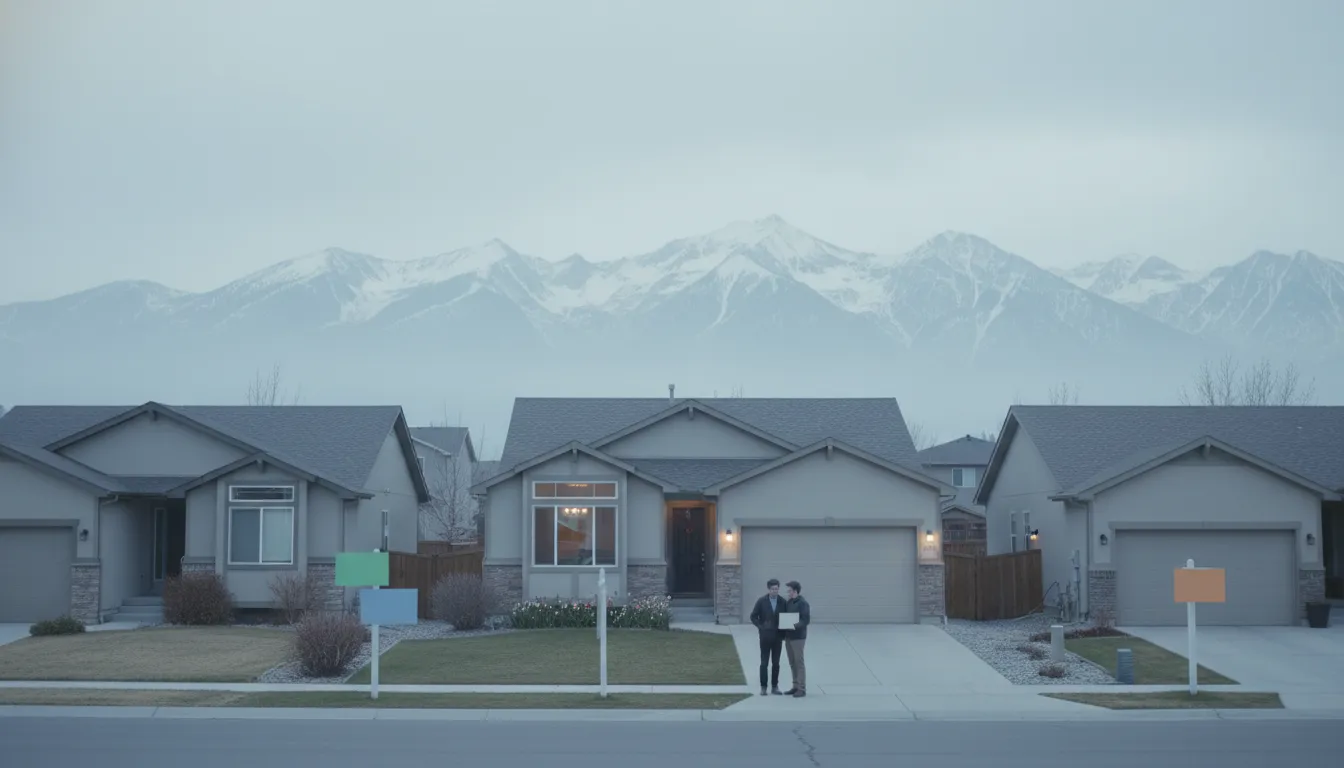
Utah’s spring housing market is showing signs of strain. Inventory is rising, contract cancellations are elevated, rents are softening, and buyer demand is not keeping pace with the number of homes hitting the market. For anyone asking whether Utah is shifting toward a buyer’s market, the latest signals point in that direction.
Access all your saved properties, searches, notes and more.
Access all your saved properties, searches, notes and more.
Enter your email address and we will send you a link to change your password.
I agree to receive marketing and customer service calls and text messages from Best Utah Real Estate. Consent is not a condition of purchase. Msg/data rates may apply. Msg frequency varies. Reply STOP to unsubscribe. Privacy Policy & Terms of Service.
Listings displayed on this website are provided via IDX. The website owner is not the listing broker or agent unless explicitly stated.

Your trusted MLS search companion