

Restoring Utah’s Historic Homes: A Guide to Authentic Masonry
Utah’s historic homes carry a distinct architectural character shaped by regional stone, early craftsmanship, and centuries of environmental exposur


Utah has become a sought-after destination for homebuyers, particularly in the vibrant Salt Lake City area. Whether drawn by the stunning landscapes, robust job market, or family-friendly communities, many individuals and families are considering relocating to this beautiful state. However, navigating the home buying process can be daunting, especially for those unfamiliar with local practices and regulations. This article breaks down the essential steps in the Utah home buying process, addresses common concerns, and provides valuable insights to ensure a smooth transition for prospective buyers.
The home buying process in Utah can be broken down into five key steps. Each step plays a crucial role in securing the ideal property while also ensuring that buyers are well-informed and prepared for what lies ahead. Below is a detailed overview of these steps:
The journey to homeownership begins with obtaining a mortgage preapproval. While it may not be the most glamorous aspect of buying a house, this step is vital. Preapproval helps buyers understand their purchasing power, allowing them to narrow down their home search effectively. It is essential to know what kind of home one qualifies for before beginning to look at properties.
By securing preapproval upfront, buyers position themselves favorably when making an offer. In a competitive market, having a preapproval letter can be the difference between securing the home of their dreams or missing out due to delays in obtaining financing. For those needing guidance, local lenders familiar with the Salt Lake City market can provide valuable assistance.
Once preapproved, buyers can begin the exciting phase of home shopping. This process can be likened to "house speed dating," where potential homeowners visit multiple properties in a short time frame. While browsing online listings can provide a sense of available options, nothing compares to seeing homes in person. This firsthand experience helps buyers refine their criteria and identify essential features that may not have been initially considered.
During home tours, preferences often shift; buyers may realize they need an extra bedroom, a larger backyard, or a different neighborhood than they had originally envisioned. The timeline for finding a home can vary significantly, with some buyers closing on a property within days, while others may take months or longer. For those unable to visit Utah immediately, virtual tours are available, allowing prospective buyers to explore homes remotely.
After selecting a preferred property, the next step is to submit an offer. In Utah, the standard contract used for real estate transactions is the Utah Real Estate Purchase Contract. While some new construction projects may utilize different agreements, the majority of home purchases will adhere to this standard contract.
When crafting an offer, it is crucial to consider various factors, including price, contingencies, and timelines. A well-structured offer can significantly increase the chances of acceptance, especially in a competitive market.
Once an offer is accepted, the transaction moves into the "under contract" phase. During this period, several critical activities take place leading up to closing. The timeline can be divided into three distinct phases:
The closing process is where buyers officially become homeowners. In Utah, this typically occurs at a title company, where all closing paperwork is signed. It is essential to understand the difference between "settlement" and "closing." Settlement occurs when buyers sign the paperwork, while closing happens once the transaction is officially funded and recorded in county records.
In certain circumstances, such as signing too late on a Friday, buyers may not receive their keys until the next business day, adding a layer of patience to the process. Understanding this timeline helps manage expectations as buyers prepare to move into their new homes.
Many out-of-state buyers have specific concerns when considering a home purchase in Utah. Below are some frequently asked questions that often arise:
Radon, a colorless gas that can seep into homes, is a significant concern in Utah, particularly in properties with basements. Approximately 95% of homes in Utah have basements, making radon testing a crucial part of the due diligence process. Long-term exposure to elevated radon levels can pose health risks, as it is the second leading cause of lung cancer in the state. Buyers are encouraged to have radon levels tested during the home inspection phase to ensure safety.
Old sewer lines can be a concern, especially in urban areas like downtown Salt Lake City. Buyers can mitigate this risk by opting for a sewer scope, where a camera is used to inspect the condition of the sewer line. This preventative measure can uncover issues like blockages or tree root intrusions before they become costly problems. Additionally, homeowners can often purchase sewer insurance at a minimal monthly cost, providing extra peace of mind.
Utah's unique climate, characterized by snowy winters and hot summers, can take a toll on roofs. Buyers should be aware that some sellers may add a second layer of shingles to extend the roof's life instead of replacing it entirely. While this practice is legal, buyers should thoroughly assess the roof's condition during the home inspection process to avoid unexpected repairs in the future.
HOAs are prevalent in many Utah neighborhoods, particularly in new developments. While some buyers appreciate the community regulations and maintenance that HOAs provide, others may prefer to avoid them altogether. Understanding the specific rules and fees associated with an HOA is crucial for potential buyers. Areas like Daybreak have more involved HOAs, while others may have minimal oversight. Buyers should weigh the pros and cons of living in an HOA community based on their lifestyle preferences.
Home warranties are optional coverage plans that can protect homeowners against costly repairs for specific appliances and systems. While homeowners insurance is typically required by lenders, home warranties are not. They can provide added security for buyers, but it is essential to understand what is covered and to negotiate these warranties into the purchase contract when possible.
Buying a home in Utah, especially in the Salt Lake City area, is an exciting journey filled with opportunities. By understanding the home buying process, addressing common concerns, and seeking guidance from knowledgeable local professionals, prospective buyers can navigate this journey with confidence. Whether relocating for work, family, or lifestyle, Utah offers a diverse range of properties that cater to various needs and preferences.
For those considering a move to Salt Lake City or the surrounding areas, it is essential to stay informed and prepared. Engaging with local experts can provide valuable insights and help ensure a smooth transition into a new home. Buyers are encouraged to reach out with any questions or for assistance in exploring the vibrant Utah real estate market.
The timeline for closing can vary widely based on individual circumstances but typically ranges from 30 to 45 days after an offer is accepted. Factors such as financing, inspections, and negotiations can influence this timeline.
Yes, in competitive markets like Salt Lake City, it is common for homes to receive multiple offers. Buyers should be prepared to act quickly and submit strong offers to increase their chances of success.
Property taxes in Utah can vary depending on the county and city. It is essential for buyers to research tax rates for specific areas and factor these costs into their overall budget.
Yes, Utah offers various first-time homebuyer programs that provide assistance with down payments and closing costs. Buyers should explore these options to determine eligibility and potential benefits.
Buyers should conduct thorough research on market trends, neighborhood conditions, and property values. Engaging with a local real estate expert can also provide valuable insights and help buyers make informed decisions.
What is the average time to close on a home in Utah?
Is it common to have multiple offers on homes in Utah?
What should buyers know about property taxes in Utah?
Are there any first-time homebuyer programs available in Utah?
How can buyers ensure they are making a sound investment?
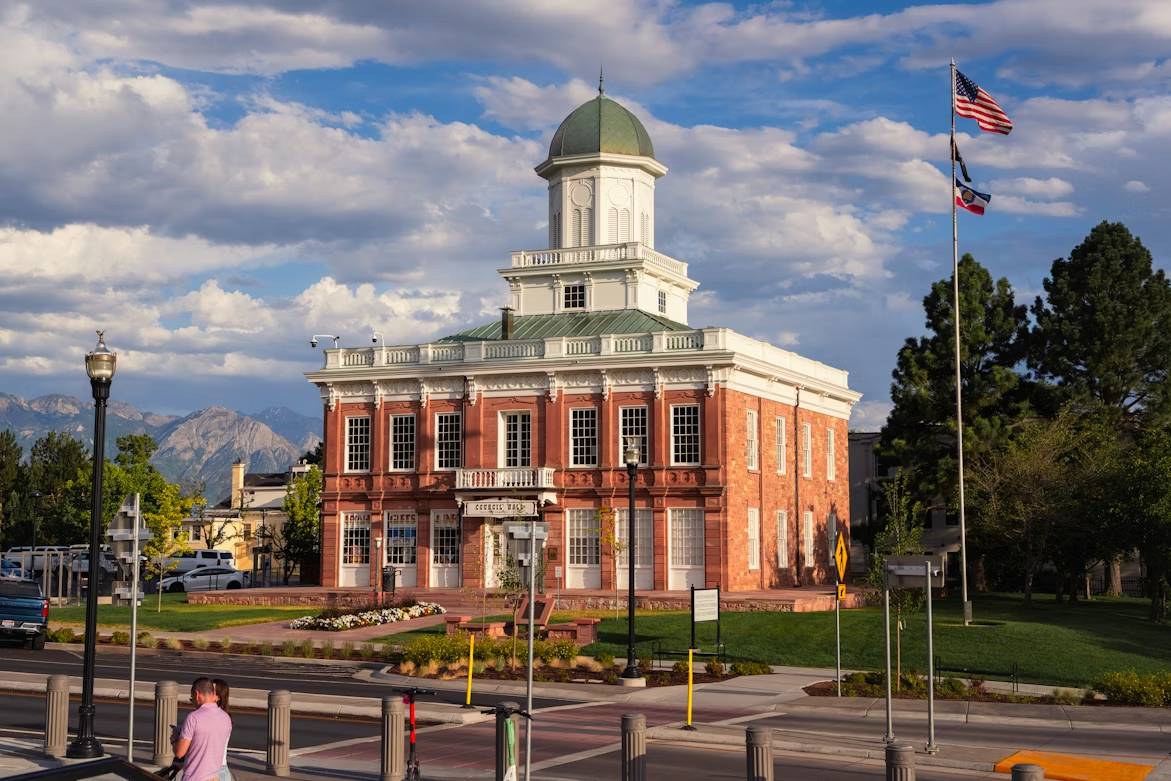
Utah’s historic homes carry a distinct architectural character shaped by regional stone, early craftsmanship, and centuries of environmental exposur
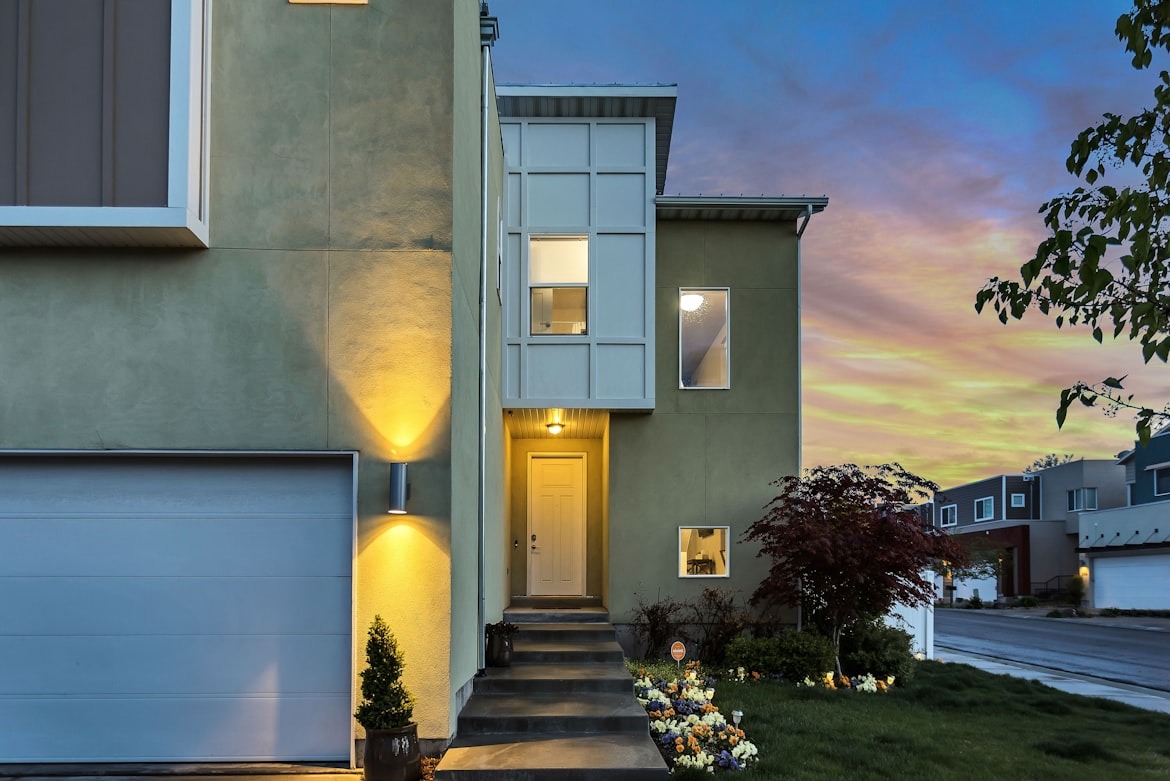
Smart home improvements do more than just lower monthly utility bills. They transform a house into a modern asset that appeals to the current generation of savvy buyers. High efficiency is now a standard expectation rather than a luxury upgrade. When you focus on the right systems, you build immediate equity while creating a more comfortable living environment for your family.

St. George summers are no joke. With temperatures regularly climbing past 105°F from June through September, a working air conditioner isn't a luxury in Southern Utah it's essential.
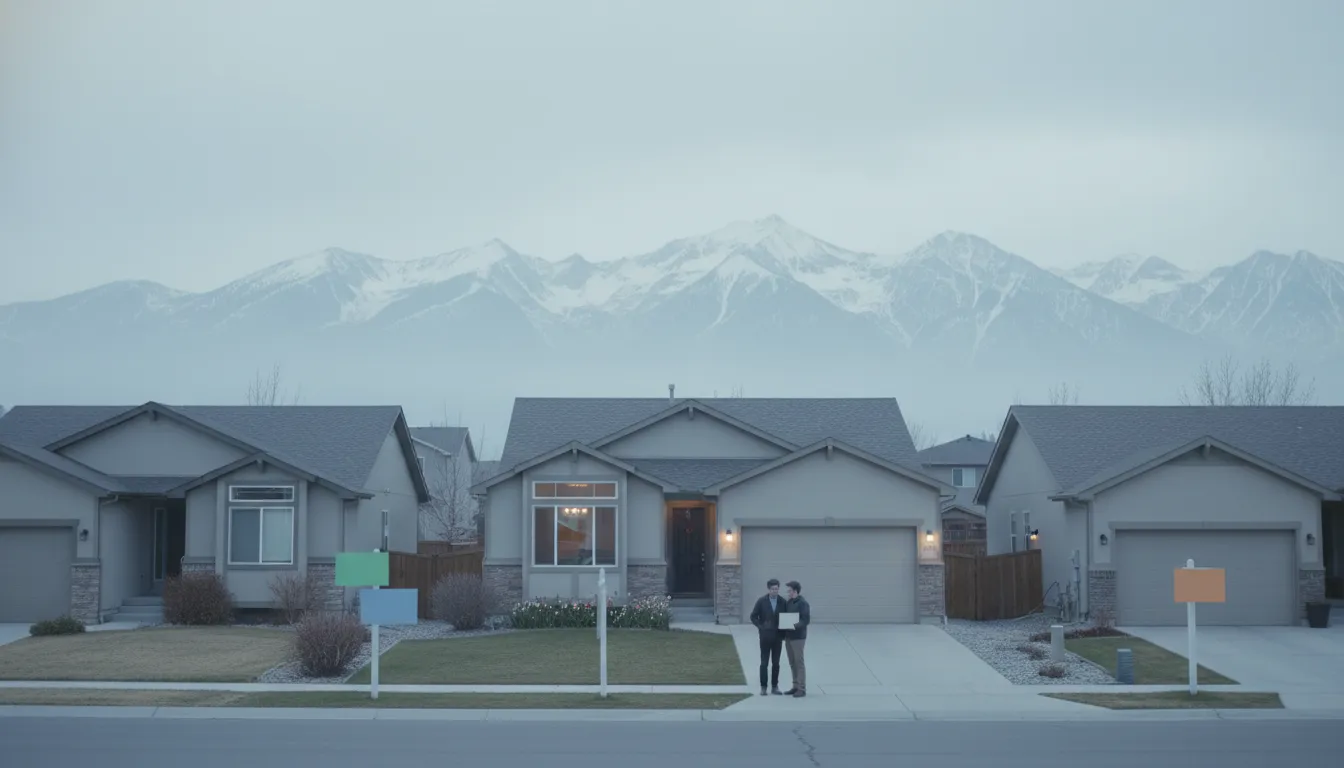
Utah’s spring housing market is showing signs of strain. Inventory is rising, contract cancellations are elevated, rents are softening, and buyer demand is not keeping pace with the number of homes hitting the market. For anyone asking whether Utah is shifting toward a buyer’s market, the latest signals point in that direction.
Access all your saved properties, searches, notes and more.
Access all your saved properties, searches, notes and more.
Enter your email address and we will send you a link to change your password.
I agree to receive marketing and customer service calls and text messages from Best Utah Real Estate. Consent is not a condition of purchase. Msg/data rates may apply. Msg frequency varies. Reply STOP to unsubscribe. Privacy Policy & Terms of Service.
Listings displayed on this website are provided via IDX. The website owner is not the listing broker or agent unless explicitly stated.
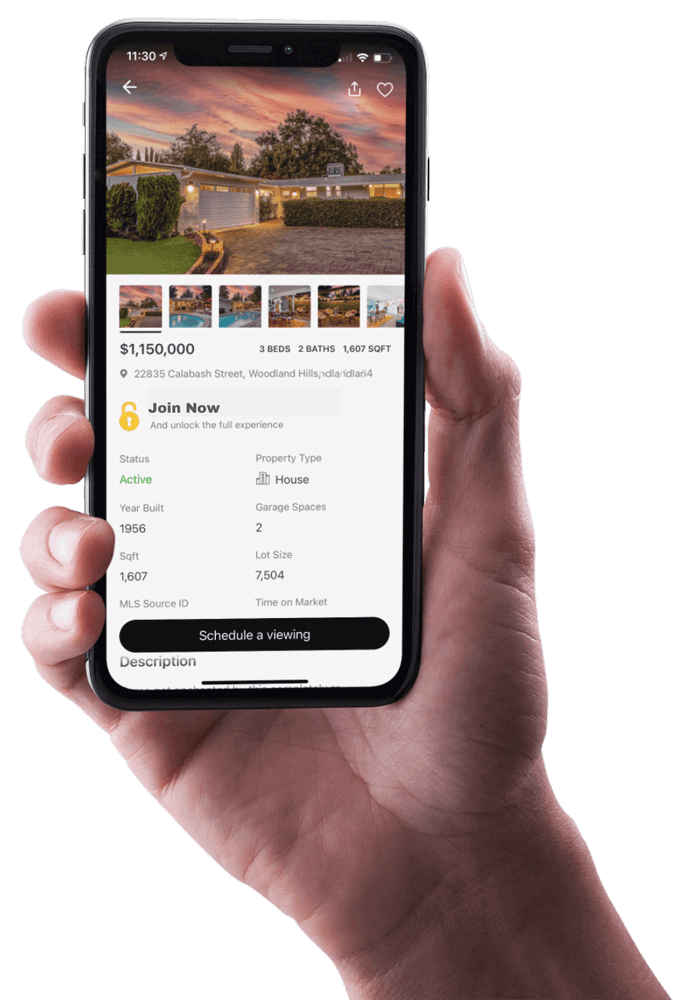
Your trusted MLS search companion