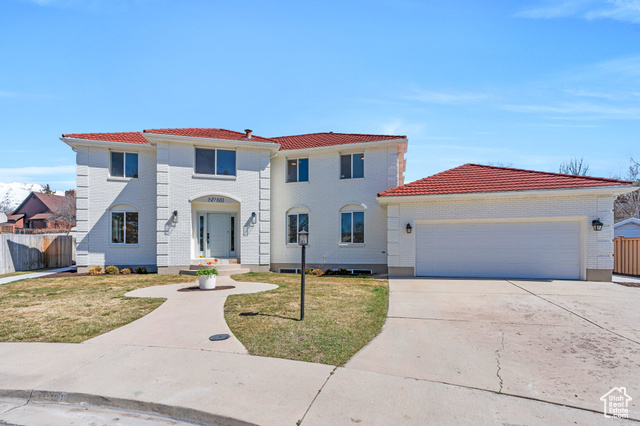
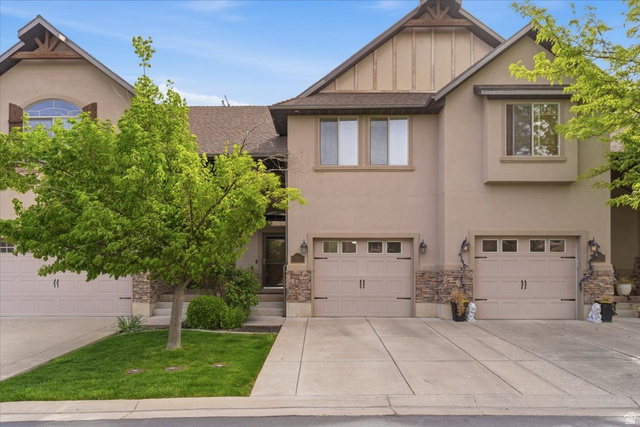
Restoring Utah’s Historic Homes: A Guide to Authentic Masonry
Utah’s historic homes carry a distinct architectural character shaped by regional stone, early craftsmanship, and centuries of environmental exposur


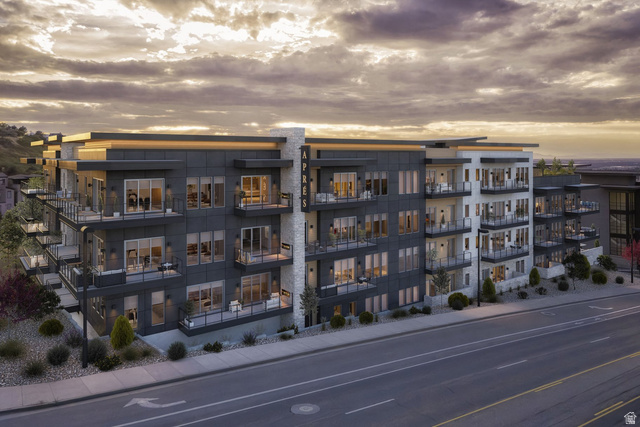
Luxury residential design operates where aesthetic ambition and physical reality frequently collide. Cantilevered volumes, floor-to-ceiling glazing, and expansive balconies are signature moves of contemporary high-end architecture — and each creates an opportunity for thermal energy to move in exactly the direction you don't want.
According to the U.S. Energy Information Administration, space heating and air conditioning account for 52% of a typical American household's annual energy consumption. In high-performance custom homes, where envelope areas are large and complexity is high, that figure carries implications no mechanical system can fully compensate for. The solution isn't to abandon ambition — it's to understand the physics well enough to design around it.
At the heart of envelope performance lies a problem that luxury residential construction has been slow to address. Knowing how to identify and resolve thermal bridging is exactly the technical competency that dedicated, internationally accredited passive house courses providers bring to architects and building professionals seeking rigorous training in high-performance envelope design. Unaddressed thermal bridges produce elevated utility costs, condensation, mold, and structural deterioration — none of which belong in a luxury project.
What makes thermal bridging particularly insidious is that it hides behind the features that define high-end design. A cantilevered balcony slab is, in thermal terms, a massive cooling fin. An aluminum curtain wall frame running from interior to exterior conducts heat far faster than the glazing it holds. A masonry shelf angle tying a stone facade to structural steel can reduce a wall assembly's effective R-value by up to 50%. These aren't edge cases; they're standard details in premium residential construction.
Knowing where to look is half the battle. Let us discuss them in more detail:
The gap between modeled and actual performance is one of the most consequential issues in high-end residential energy design. Traditional modeling uses nominal R-values calculated as if insulation were continuous — in practice, it rarely is.
Research published in Facade Tectonics found that once thermal bridging was properly accounted for in a high-rise residential facade, the effective R-value dropped from a nominal R-33.6 to an actual R-15.6 — less than half. The window-to-wall transition alone accounted for 61% of total facade heat loss. Insulation without thermal bridge mitigation is an incomplete strategy, full stop.
Addressing thermal bridging doesn't require abandoning the moves that define the typology. Structural thermal break systems — load-bearing insulation elements at slab-to-balcony and steel-to-concrete connections — can reduce heat loss at penetrations by up to 90%, according to Schöck North America, which introduced the first commercially available structural thermal break in 1983. A well-structured course in building envelope physics consistently points designers toward three complementary strategies:
For projects pursuing Passive House, LEED Platinum, or Living Building certification, thermal bridge mitigation moves from best practice to hard requirement. The Passive House standard sets a specific threshold: linear thermal transmittance must remain below 0.01 W/(mK) at each detail to qualify as a thermally bridge-free design. Meeting that in a complex luxury project — with cantilevered balconies, bespoke facades, and generous glazing — demands the detail-level analysis that separates high-performance designers from the rest of the field.
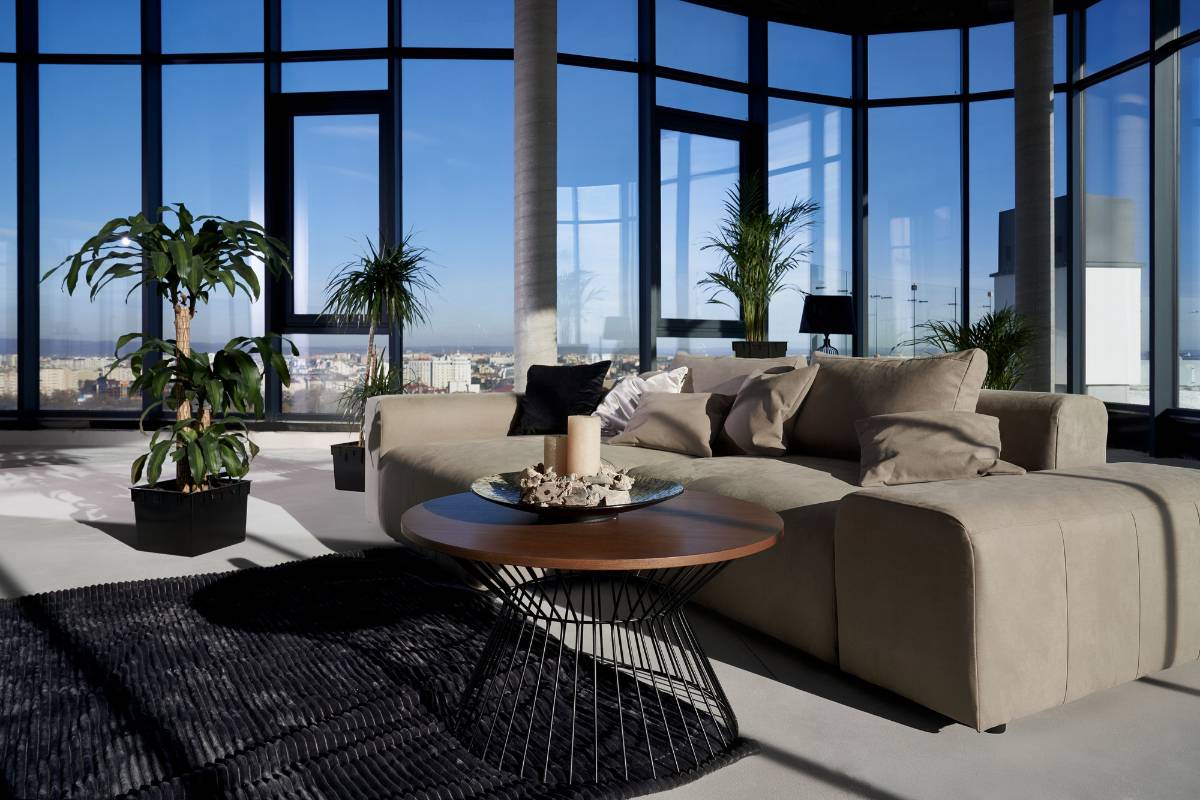
The performance gap in high-end residential design is not a crisis — it's an opportunity. Clients investing in custom luxury homes increasingly expect both architectural distinction and verified energy performance, and the two are more compatible than ever. Thermal break technology is mature, modeling tools are sophisticated, and the technical knowledge available to designers has never been richer. What bridges the gap between knowing the physics and applying it correctly is deliberate training and a commitment to treating every envelope detail as a design decision.

Utah’s historic homes carry a distinct architectural character shaped by regional stone, early craftsmanship, and centuries of environmental exposur
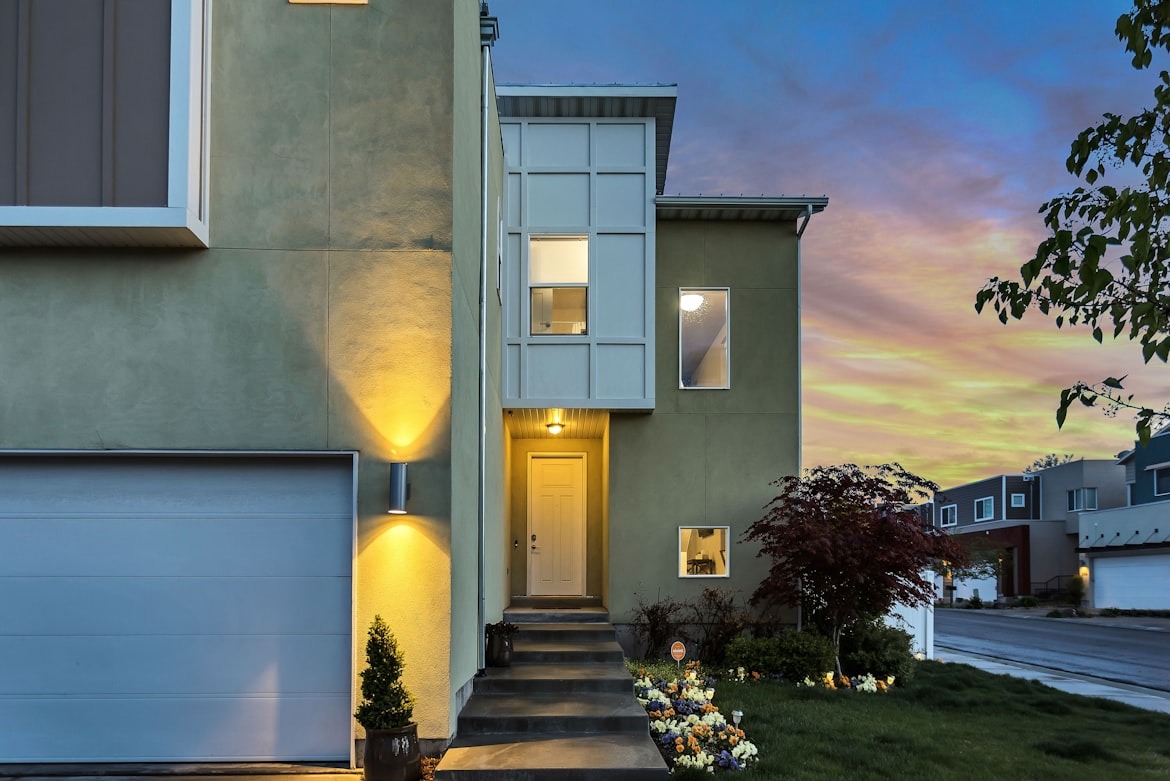
Smart home improvements do more than just lower monthly utility bills. They transform a house into a modern asset that appeals to the current generation of savvy buyers. High efficiency is now a standard expectation rather than a luxury upgrade. When you focus on the right systems, you build immediate equity while creating a more comfortable living environment for your family.

St. George summers are no joke. With temperatures regularly climbing past 105°F from June through September, a working air conditioner isn't a luxury in Southern Utah it's essential.
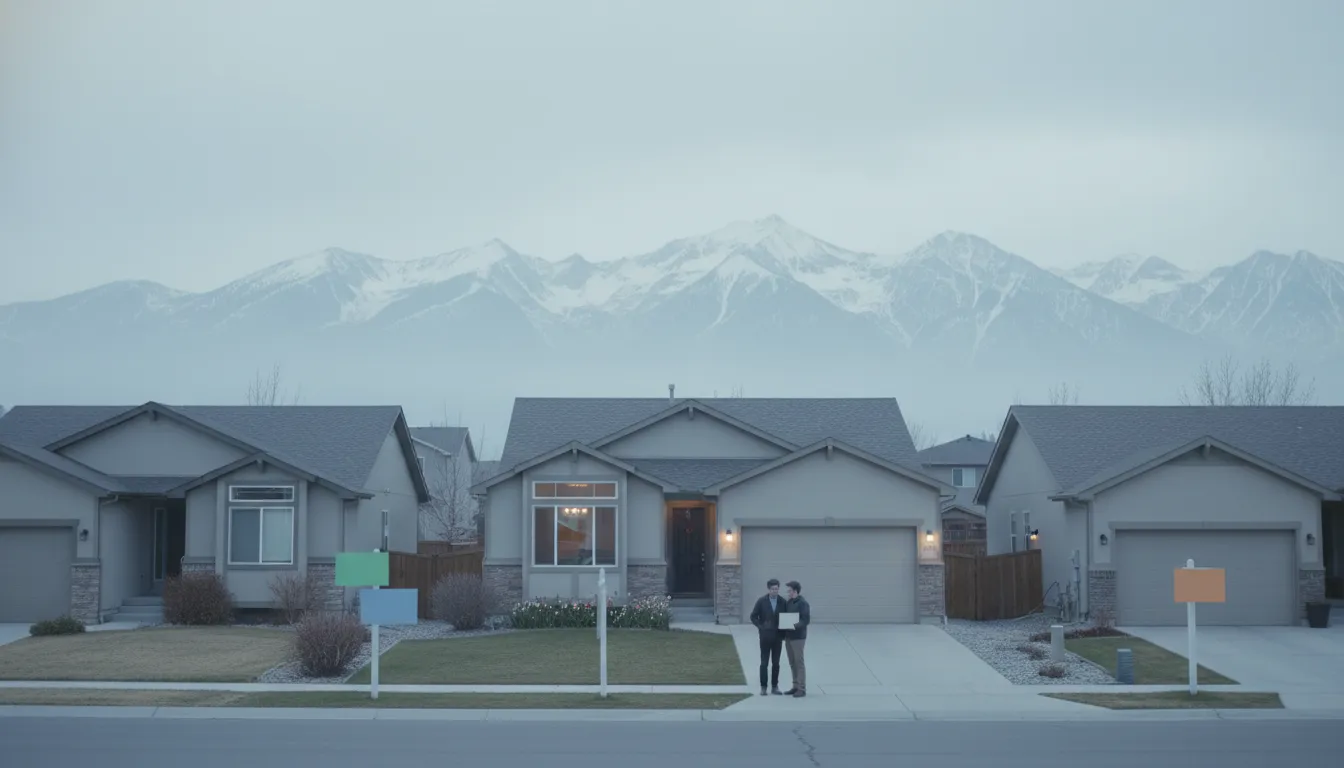
Utah’s spring housing market is showing signs of strain. Inventory is rising, contract cancellations are elevated, rents are softening, and buyer demand is not keeping pace with the number of homes hitting the market. For anyone asking whether Utah is shifting toward a buyer’s market, the latest signals point in that direction.
Access all your saved properties, searches, notes and more.
Access all your saved properties, searches, notes and more.
Enter your email address and we will send you a link to change your password.
I agree to receive marketing and customer service calls and text messages from Best Utah Real Estate. Consent is not a condition of purchase. Msg/data rates may apply. Msg frequency varies. Reply STOP to unsubscribe. Privacy Policy & Terms of Service.
Listings displayed on this website are provided via IDX. The website owner is not the listing broker or agent unless explicitly stated.

Your trusted MLS search companion