Top AC Companies in St. George for Homebuyers
St. George summers are no joke. With temperatures regularly climbing past 105°F from June through September, a working air conditioner isn't a luxury in Southern Utah it's essential.


Lets jump into the dynamic shifts and trends that are currently shaping the housing market in St. George Utah. From fluctuating pricing trends to the evolving vacation rental market, we aim to provide you with a comprehensive understanding of the current real estate environment. Join us as we unpack the key factors influencing the market and what they mean for buyers, sellers, and investors alike.
Washington County's real estate market has been a hotbed of activity, reflecting broader national trends while maintaining its unique local flavor. A significant factor contributing to the current market dynamics is the ongoing development and urbanization within the region. New commercial developments, coupled with infrastructural enhancements, have bolstered the county's appeal, attracting both new residents and investors.
Additionally, the county has recently hosted several high-profile events, such as the PGA Championship, which have drawn attention to the area and brought in a surge of visitors. While these events might not have drastically impacted daily life or traffic, they underscore the area's growing reputation as a desirable location.
Despite these developments, the real estate market is beginning to cool as we approach the end of the year. Traditionally, this period sees a decline in listings as sellers hold off until spring, which is anticipated to be a busy season once again. This seasonal pattern is evident in the historical data, where December consistently marks a low point in new listings.
The pricing trends in Washington County's real estate market have shown a resilient upward trajectory, albeit with some fluctuations. As of the latest data, the average home price is $645,000, marking a 6% increase from the previous year. This rise in prices is underpinned by a strong demand that continues to outpace supply, despite a modest recovery in inventory levels.
Interestingly, the market has also seen variations in price per square foot, with single-level homes averaging $338 per square foot, while two-story homes are at $263. This disparity highlights the diverse range of properties available and the differing market pressures they face.
Another critical metric, the absorption rate, currently stands at around 4 months of inventory, indicating a slight seller's market. This figure is crucial for understanding pricing pressures, as it reflects how quickly homes are sold relative to the current inventory.
The vacation rental market in Washington County is undergoing a significant transformation. The number of active listings has doubled over the past year, leading to an absorption rate of over 12 months. This indicates a substantial oversupply in the market, which is exerting downward pressure on prices.
As a result, many vacation rentals are now priced lower than their purchase prices from just a few years ago, with a median sale price correction of 34%. This environment presents a unique opportunity for buyers looking for investment properties, as the market continues to correct.
For sellers, this shift signals the need to be competitive with pricing strategies to attract buyers in a saturated market. Long-term investors, however, may still find value in holding onto their properties, as the market is expected to stabilize and potentially appreciate in the coming years.
The Southern Utah real estate market is a complex landscape influenced by a myriad of factors, including economic conditions, demographic shifts, and local developments. As we delve into the intricacies of this market, it's evident that Washington County presents a unique blend of opportunities and challenges for buyers, sellers, and investors alike.
One of the most notable trends in the region is the persistent demand for housing, which continues to outstrip supply. This imbalance has resulted in a competitive market where prices have steadily climbed, making affordability a significant concern for many potential buyers. The limited inventory, particularly for homes priced under $325,000, further exacerbates this issue, as fewer options are available for entry-level buyers.
Understanding these dynamics is crucial for stakeholders looking to navigate the Southern Utah real estate market effectively. By staying informed and adapting strategies to current conditions, buyers and sellers can better position themselves to achieve their goals.
The rapid development of Southern Utah's cities is reshaping the region's economic landscape. Notable projects, such as the Smith's Market Center and Desert Color, are transforming the area into a bustling hub of commerce and residential growth. These developments not only provide new amenities and services but also create jobs, further stimulating the local economy.
The St. George Regional Airport is undergoing significant expansion, enhancing its capacity to accommodate larger aircraft and increasing the number of direct flights to major cities. This expansion positions St. George as a key player in regional air travel, potentially attracting more visitors and new residents.
As the airport continues to expand, it will be crucial for local authorities to balance growth with community concerns, ensuring that the benefits of development are realized without compromising the quality of life for residents.
The Northern Corridor project remains a contentious issue in Southern Utah, with stakeholders divided over its potential impact on the environment and local communities. The proposed roadway aims to alleviate traffic congestion and support future growth, but it faces opposition from environmental groups concerned about its effect on protected lands and wildlife habitats.
The Northern Corridor highlights the ongoing challenge of balancing economic development with environmental preservation. Proponents argue that the road is necessary to support the region's growth, while opponents emphasize the need to protect sensitive ecosystems and cultural sites.
Moving forward, it will be critical for policymakers to consider innovative approaches that reconcile development needs with environmental stewardship, ensuring that Southern Utah remains a vibrant and sustainable community for future generations.

St. George summers are no joke. With temperatures regularly climbing past 105°F from June through September, a working air conditioner isn't a luxury in Southern Utah it's essential.
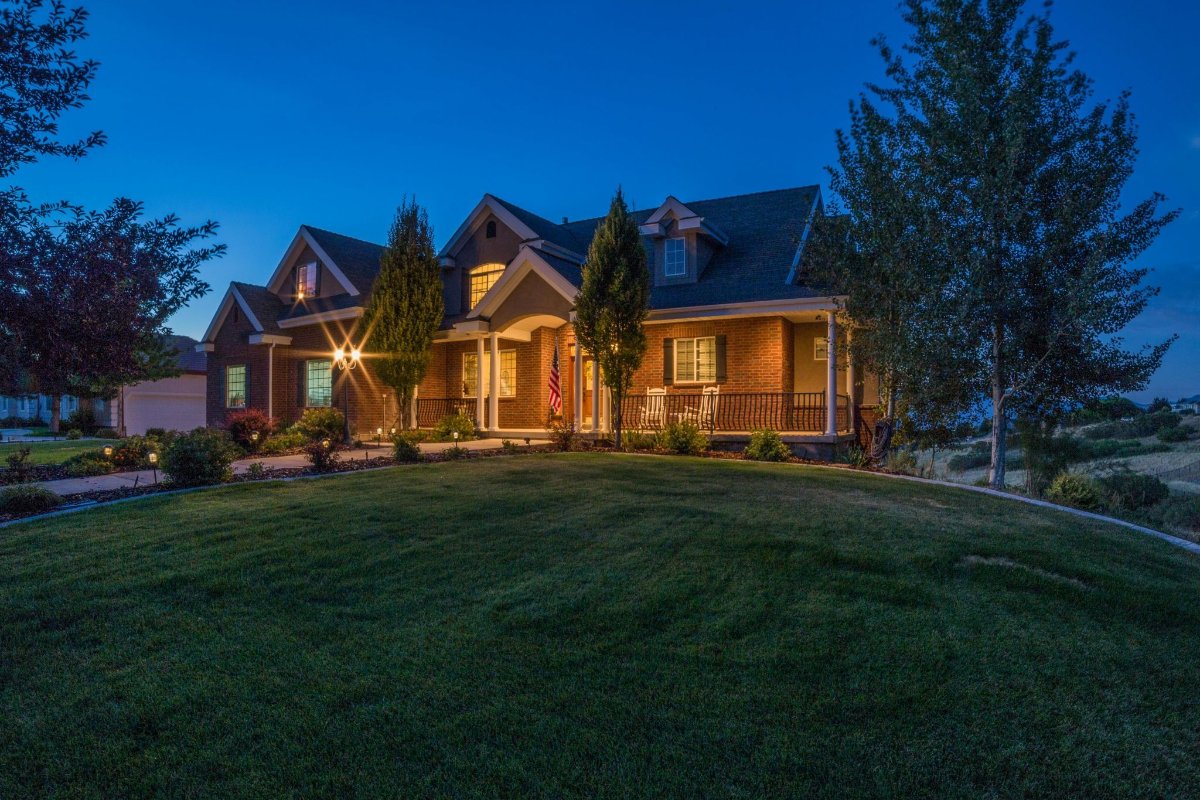
St. George has changed from a scenic regional market into a place that attracts serious money, relocation buyers, and second-home demand from well outside Utah.

New construction is supposed to be the surprise free option in home buying. Yet some of the most expensive issues homeowners face years later trace back to plumbing decisions made before the slab was poured.
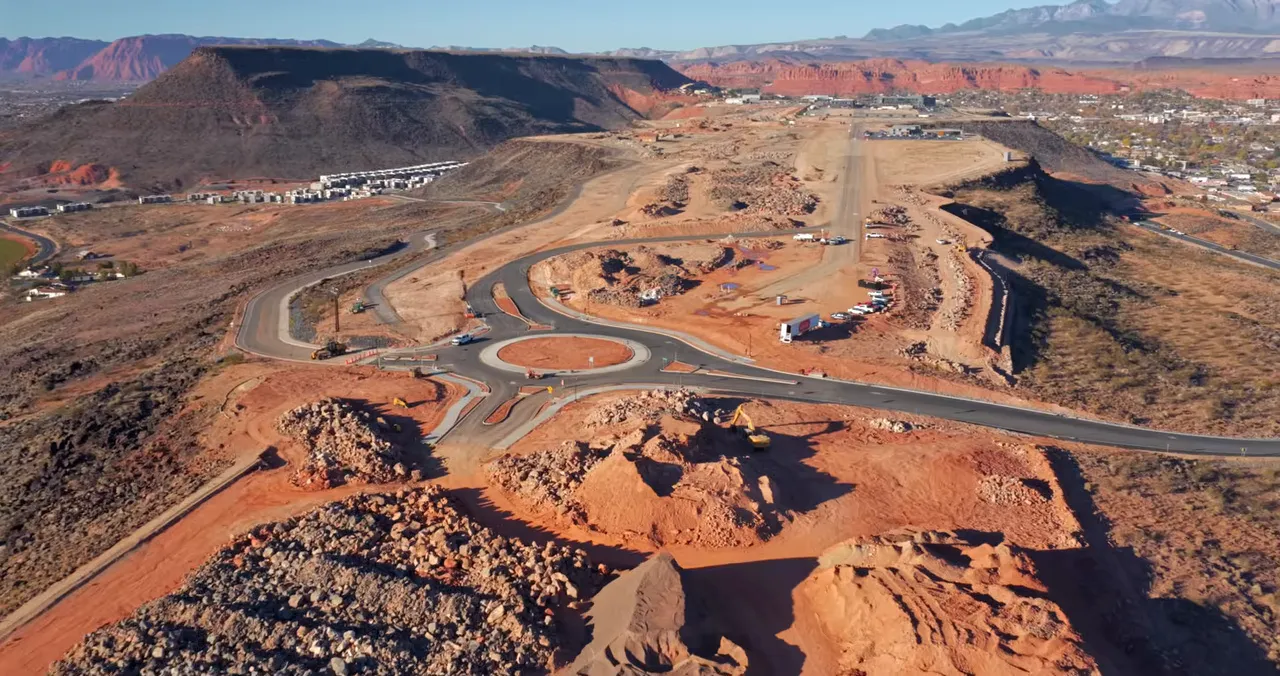
Tech Ridge on the St. George bluff is moving from groundwork to visible construction — new south entrance, extended rim trail, Zonos campus growth and the first offices and apartments planned for 2026. What buyers, renters and investors need to know.
Access all your saved properties, searches, notes and more.
Access all your saved properties, searches, notes and more.
Enter your email address and we will send you a link to change your password.
I agree to receive marketing and customer service calls and text messages from Best Utah Real Estate. Consent is not a condition of purchase. Msg/data rates may apply. Msg frequency varies. Reply STOP to unsubscribe. Privacy Policy & Terms of Service.
Listings displayed on this website are provided via IDX. The website owner is not the listing broker or agent unless explicitly stated.

Your trusted MLS search companion