

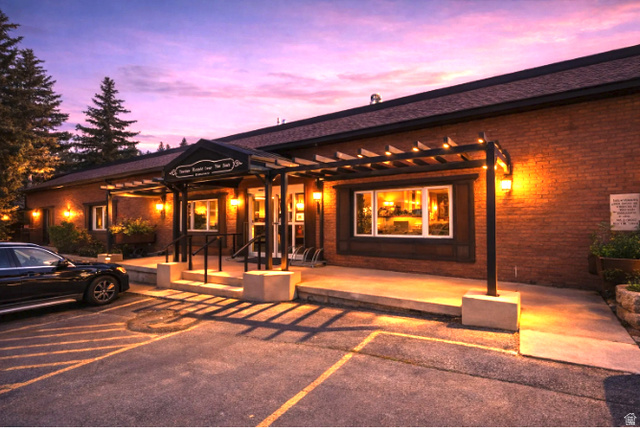



Top AC Companies in St. George for Homebuyers
St. George summers are no joke. With temperatures regularly climbing past 105°F from June through September, a working air conditioner isn't a luxury in Southern Utah it's essential.

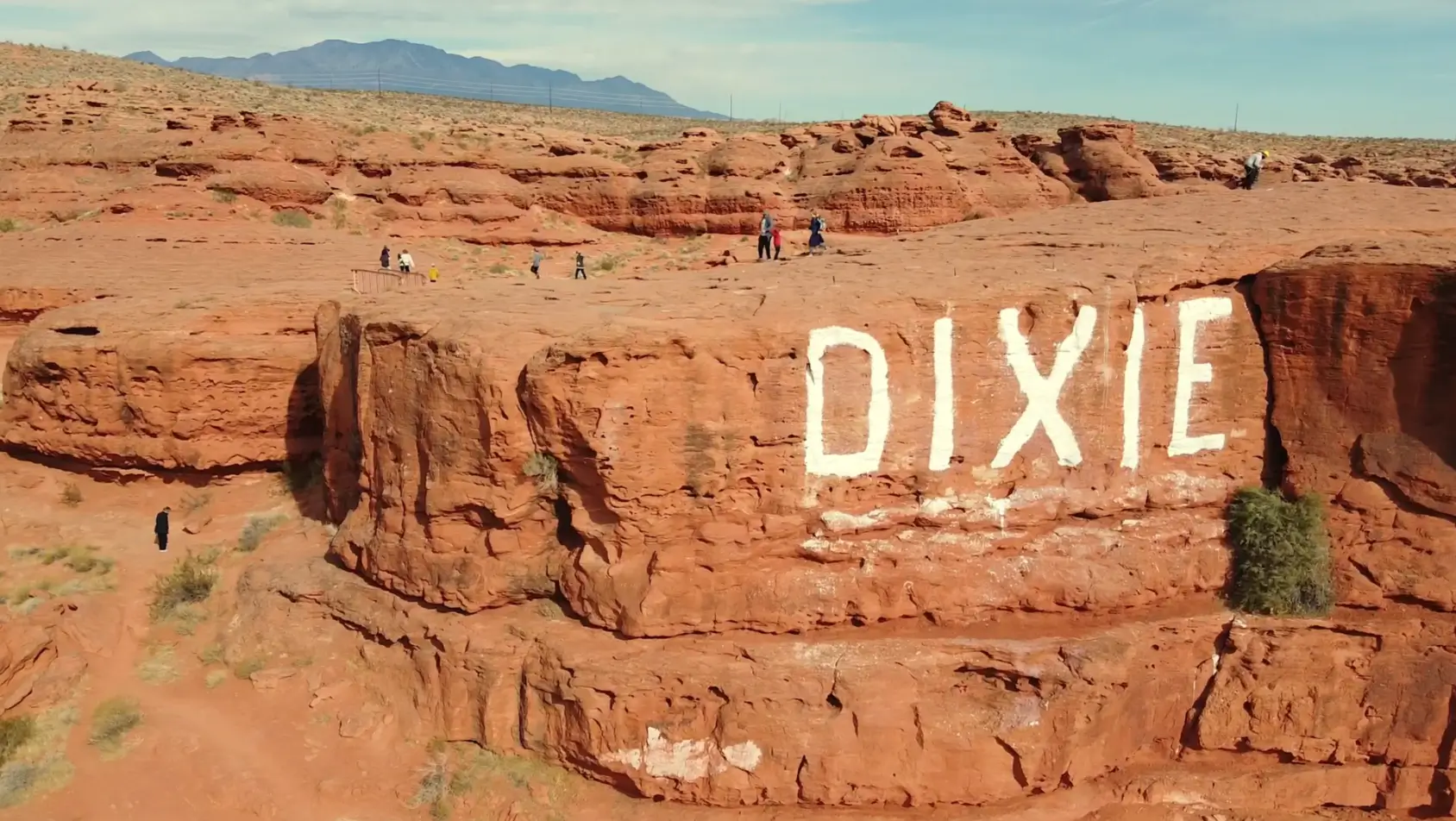
Nestled in the heart of Southern Utah, the "Dixie Rock" stands tall, a symbol of the region's rich heritage. Let's dive into the fascinating history behind this iconic landmark, from its original name as the "Sugarloaf" to its present-day significance as the "Dixie Rock." Join us as we explore the Dixie Rock's intriguing past and uncover the story behind this beloved feature of the St. George landscape.
When the pioneers arrived in St. George in the 1800s, they were struck by a peculiar rock formation. This rock, now known as the "Dixie Rock," originally had a much sweeter name: the "Sugarloaf."
From their vantage point in town, the pioneers observed the rock's unique shape and color. To them, it bore a striking resemblance to a loaf of sugar, a common item in their daily lives. Thus, they affectionately dubbed it the "Sugarloaf."
In the 1800s, sugar was a valuable commodity. It was used not only for sweetening food but also for preserving it. The shape of the rock reminded the settlers of this essential item, cementing its place in their daily lives and in local lore.
As the settlers continued to build their community, the name "Sugarloaf" became a familiar term. It served as a point of reference, a symbol of their new home, and a testament to their resilience and adaptability.
The legacy of the Sugarloaf didn't stop with its name. It extended into the culinary world, becoming the namesake of a beloved local restaurant.
Once upon a time, there was a restaurant aptly named the "Sugarloaf." This establishment offered a taste of history, serving as a gathering place for the community. It was a place where locals could enjoy good food and share stories about their town's unique heritage.
Though the original Sugarloaf Restaurant no longer exists, its spirit lives on. It has since transformed into what is now known as a café. This modern establishment continues to honor the legacy of the Sugarloaf, providing a cozy spot for residents and visitors alike.
By maintaining the name and essence of the Sugarloaf, the cafe helps keep the history of Dixie Rock alive. It serves as a reminder of the pioneers who first settled in St. George and the unique rock formation that inspired them.
Whether you're enjoying a meal at the cafe or gazing up at Dixie Rock, the story of the Sugarloaf is a testament to the rich history and enduring spirit of St. George, Utah.
The "Dixie Rock" owes its name and significance to the early students of the Dixie Academy. Their actions in 1913 forever changed the identity of the Sugarloaf.
In 1913, students from the Dixie Academy decided to leave their mark on the Sugarloaf. They painted the word "Dixie" across its prominent face.
The term "Dixie" was chosen to reflect the heart of the South. The pioneers who settled in Southern Utah were originally from the southern United States.
The painting of "Dixie" on the rock turned the Sugarloaf into a lasting landmark. It symbolized the new identity of the area, blending the settlers' past with their new home.
The term "Dixie" is loaded with historical significance and modern controversy. Understanding its origins helps explain why it continues to stir emotions.
The original pioneers came to Southern Utah to raise cotton. This agricultural pursuit was a significant part of life in the southern United States.
Because they raised cotton and hailed from the South, they named the area "Dixie." It was a way to bring a piece of their heritage to their new home.
In recent years, the name "Dixie" has become controversial. Dixie State University has faced criticism due to the term's association with the southern United States.
While "Dixie" meant one thing to the original settlers, it means something different today. This shift in meaning has led to debates and differing opinions.
The story of the Dixie Rock is not just about a rock or a name. It reflects the complex history and evolving identity of St. George, Utah.
The Dixie Rock is more than just a landmark; it's a symbol of community and tradition for the students of Dixie High School.
A large "D" on the nearby Black Hill represents Dixie High School. This letter is a constant reminder of the school's presence and influence in the area.
Each spring, Dixie High School celebrates D Week. During this time, graduating seniors have the chance to participate in a unique tradition.
The whitewashing ensures that the "Dixie" on the rock remains bright and visible. This activity connects current students with past generations.
This tradition serves as a rite of passage for seniors, marking their transition into alumni status while honoring the school's history.
The Dixie Rock stands as a testament to the enduring spirit and heritage of St. George, Utah. Its legacy continues to shape the community.
The rock's transformation from the Sugarloaf to the Dixie Rock represents the blending of past and present. It is a symbol of the pioneers' resilience and the community's evolution.
The Dixie Rock fosters a sense of belonging among residents. It serves as a focal point for local traditions and celebrations, strengthening community bonds.
For students at Dixie High School and Dixie State University, the rock is a symbol of academic and personal growth. It connects their educational journey to the broader history of the area.
The ongoing efforts to maintain and celebrate the Dixie Rock ensure that its history is not forgotten. It stands as a reminder of the pioneers' legacy and the community's ongoing story.
Whether viewed from afar or up close, the Dixie Rock remains a powerful symbol of St. George's rich history and enduring spirit.
Related Articles:

St. George summers are no joke. With temperatures regularly climbing past 105°F from June through September, a working air conditioner isn't a luxury in Southern Utah it's essential.

St. George has changed from a scenic regional market into a place that attracts serious money, relocation buyers, and second-home demand from well outside Utah.

New construction is supposed to be the surprise free option in home buying. Yet some of the most expensive issues homeowners face years later trace back to plumbing decisions made before the slab was poured.
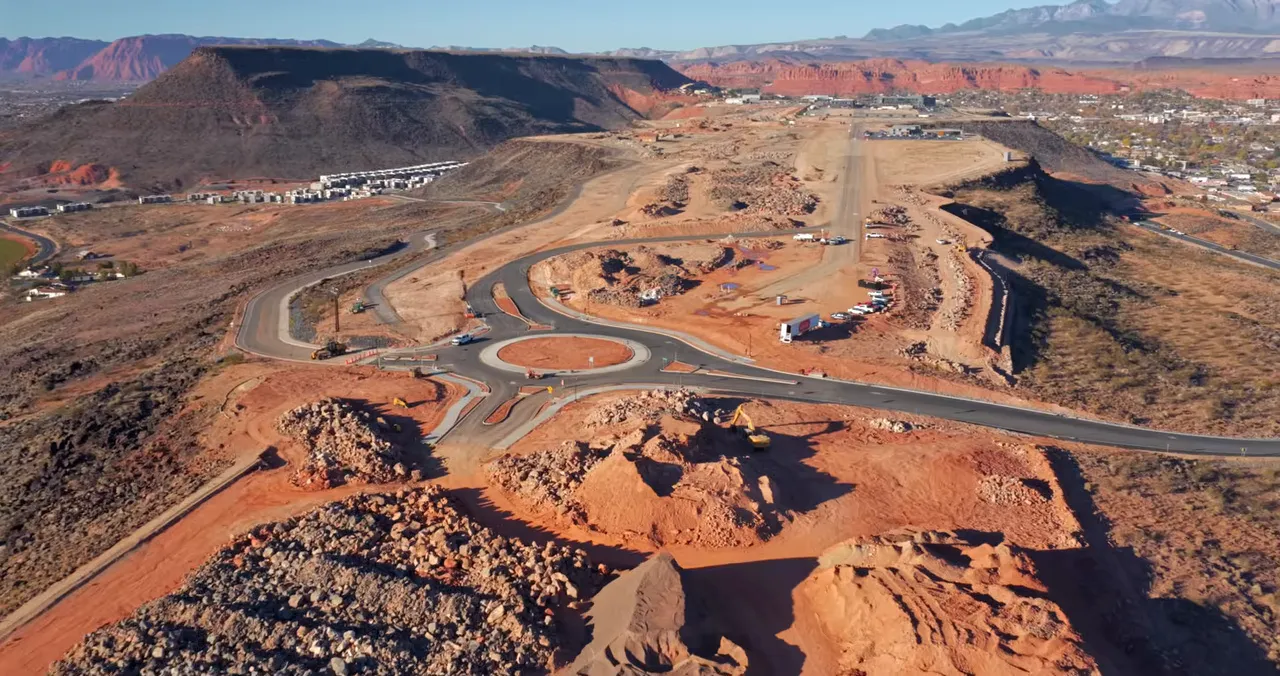
Tech Ridge on the St. George bluff is moving from groundwork to visible construction — new south entrance, extended rim trail, Zonos campus growth and the first offices and apartments planned for 2026. What buyers, renters and investors need to know.
Access all your saved properties, searches, notes and more.
Access all your saved properties, searches, notes and more.
Enter your email address and we will send you a link to change your password.
I agree to receive marketing and customer service calls and text messages from Best Utah Real Estate. Consent is not a condition of purchase. Msg/data rates may apply. Msg frequency varies. Reply STOP to unsubscribe. Privacy Policy & Terms of Service.
Listings displayed on this website are provided via IDX. The website owner is not the listing broker or agent unless explicitly stated.

Your trusted MLS search companion