


Restoring Utah’s Historic Homes: A Guide to Authentic Masonry
Utah’s historic homes carry a distinct architectural character shaped by regional stone, early craftsmanship, and centuries of environmental exposur


What is the difference between short sale vs foreclosure? This is a very common question and we get this question a lot in the office and through our website. Let's break down the difference between a short sale versus a foreclosure. First and foremost, it can be very confusing because both involve a lender. Let's debunk any myths because someone can be in foreclosure, and someone can be in foreclosure but not be foreclosed on.
A short sale is a sale where the lender that's involved is taking a loss, but the homeowner still owns the home. So they are behind on payments and they can be in foreclosure, which means that the foreclosure proceedings have started, but the bank has not foreclosed on the homeowner yet. Once the bank forecloses, then the homeowner no longer owns the home and now the bank is the seller. But during the short sale process, if a homeowner is in foreclosure, they still have rights. It's still their home and they can do whatever they want with the house up until they get foreclosed on. So if they decide to sell the house and they have no equity, that's where the lender is involved, and the lender is not the person that is or the entity that's making the decision of who the homeowner sells the house to.
Another common misconception is that "Oh, when you are in a short sale, you have to present all offers." That's incorrect. That's in foreclosure. In a short sale, the bank can only review one contract at a time. Because remember, the homeowner is the one that signs off on the offer. Now the bank is going to have requirements of what they're willing to accept when it comes to offer price and what their minimum net is, but the seller, which is the homeowner, makes the final decision of who they want to sell to. So if the bank does not agree to the terms, they can absolutely reject it, but they cannot dictate who the homeowner sells the house to.
The other common confusion when it comes to short sale versus foreclosure is that the bank is the one calling the shots. The only thing that the bank determines is the terms of the sale because they are the ones that are having to approve to accept less than what is owed. The bank is in first position, which means that their lien is superior to any of the other liens. So in negotiations, when it comes to the HOA, the second liens, they determine how much the subordinate liens get because they are the ones that are taking the loss. If they foreclose, everyone underneath them gets wiped out, okay? So that's a short sale. A short sale, the homeowner still owns the home but the bank is involved because we're asking them to take a loss so that the homeowner can still sell and avoid foreclosure.
Now if that doesn't happen and the homeowner gets foreclosed on, the bank is now the seller. So the seller is ... It's now an REO, which is a real estate-owned foreclosure property. So when you see these famous Zillow listings that we get all the time where it says foreclosed and now people are trying to find the bank, the bank has their own process once they've foreclosed.
After the homeowner gets foreclosed on and they've gone through that process, the bank will do their due diligence and they will hire a real estate agent to check the occupancy of the house. They'll have an agent go out and determine is the house is occupied or vacant? If it's occupied, they will try to negotiate cash for keys with the homeowner, which means that they ... Just as it sounds, right? They will give cash for the keys, and they have to agree to clean the house, they have in the agreement broom swept, clean the house, and they have to move by a certain date. And the reason why they do that is that they want to make sure that the homeowner is not vandalizing the home and it's a lot cheaper than an eviction. If they can come to terms with the homeowner that way, they can stay out of court and they don't have to worry about the property getting vandalized. If the house is already vacant, then they will move forward and open title to see if there is any liens or any lawsuits or anything that is clouding title to be able to sell the property.
The bank can take 45 to 60 days, depending on whether the house is occupied. If the house is occupied, they can't do anything until the homeowner is gone. If they can't come to terms with cash for keys, they process eviction, and then they have to wait for the eviction to happen and depending on the state, it could take some time. With different states, the process is different, and of course, we know now with the memorandums that it's taking even longer. So once they have had the house vacant and once they pool title, then they hire two different agents to do BPOs, which are broker price opinions, but we'll usually get two different reports where basically it's an analysis of what the house is worth, and then they will determine what their list price is.
Now when it comes to REOs, they do not ... They are not investor-friendly. Back in the day, there was certain asset managers that used to sell houses before they would put it on the market. It's not like that anymore. There are some REO lenders that are even making repairs so that the value will increase and homes will actually qualify for financing so they can sell to an owner occupant. They are huge in wanting owner occupants first over investors. So if you're looking to invest to buy a foreclosure deal, keep that in mind. As far as negotiating, when it comes to listing a REO, they'll put it on the market and then every 30 days is when they will reduce the price.
When you see a property that is in an auction, let's break down some of the terms. Auction means that it has a sale date. So it has a foreclosure sale date. Which is coming up, and there's a deadline for the lender to actually foreclose on the homeowner. If it says foreclosure and it shows that the bank did move forward, that means the house is already gone and there's not time. If it says pre-foreclosure, that means that the bank has started, has hired a foreclosure attorney, which is also a substitute trustee, and has started the process of the foreclosure proceedings, but there's no sale date. When a home is in pre-foreclosure, you have more time to do something with the bank because there's not an actual deadline yet of foreclosure.
Learn how to buy foreclosures in Utah
Related Articles:

Utah’s historic homes carry a distinct architectural character shaped by regional stone, early craftsmanship, and centuries of environmental exposur
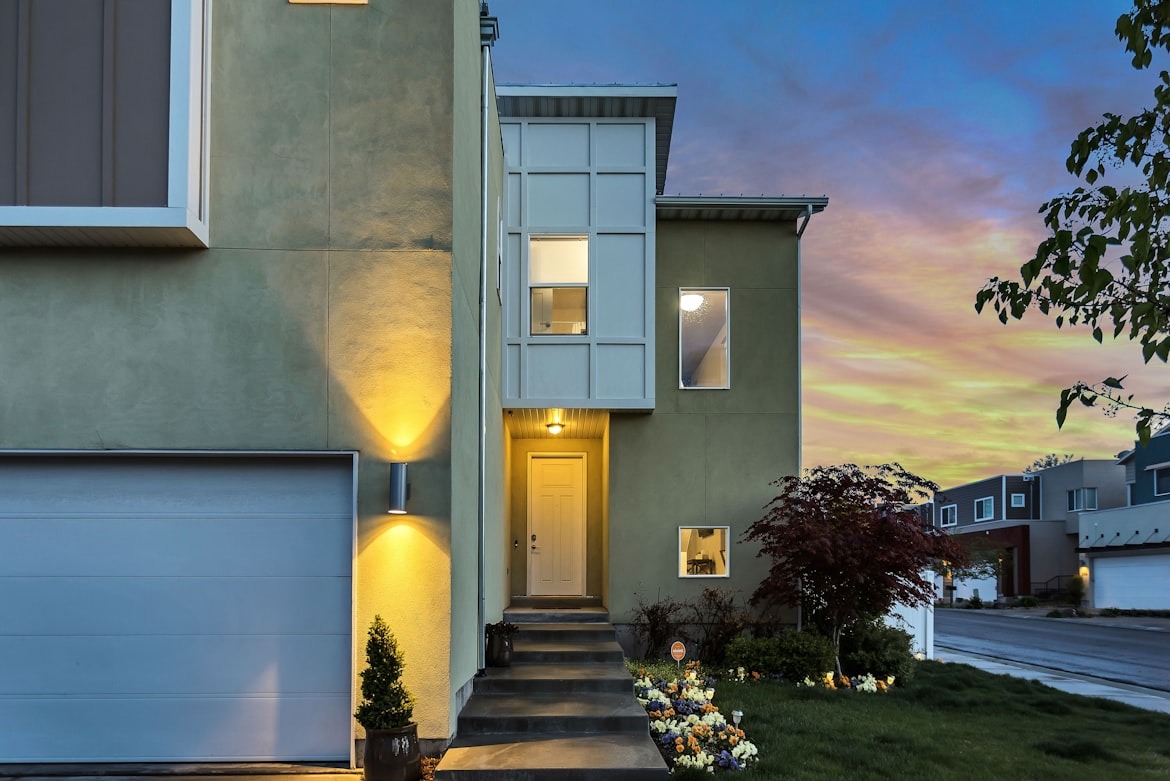
Smart home improvements do more than just lower monthly utility bills. They transform a house into a modern asset that appeals to the current generation of savvy buyers. High efficiency is now a standard expectation rather than a luxury upgrade. When you focus on the right systems, you build immediate equity while creating a more comfortable living environment for your family.

St. George summers are no joke. With temperatures regularly climbing past 105°F from June through September, a working air conditioner isn't a luxury in Southern Utah it's essential.
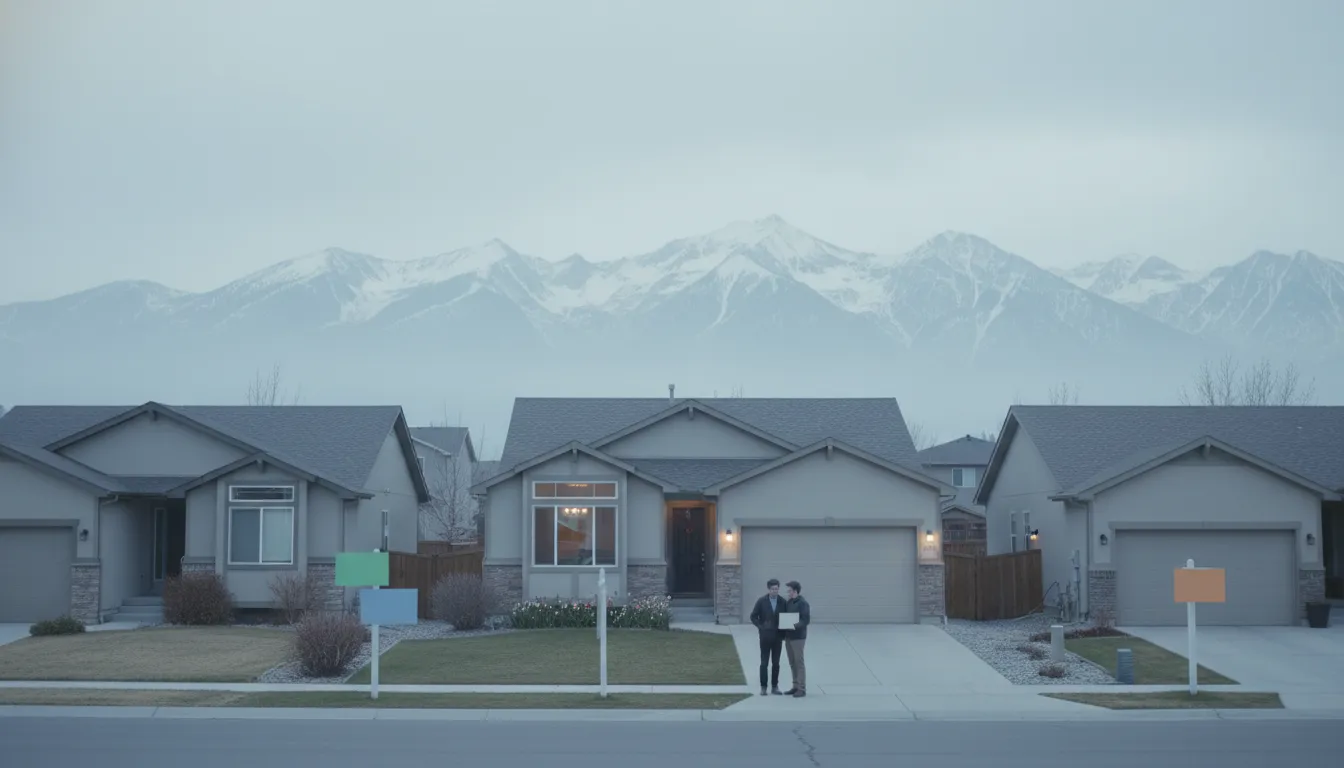
Utah’s spring housing market is showing signs of strain. Inventory is rising, contract cancellations are elevated, rents are softening, and buyer demand is not keeping pace with the number of homes hitting the market. For anyone asking whether Utah is shifting toward a buyer’s market, the latest signals point in that direction.
Access all your saved properties, searches, notes and more.
Access all your saved properties, searches, notes and more.
Enter your email address and we will send you a link to change your password.
I agree to receive marketing and customer service calls and text messages from Best Utah Real Estate. Consent is not a condition of purchase. Msg/data rates may apply. Msg frequency varies. Reply STOP to unsubscribe. Privacy Policy & Terms of Service.
Listings displayed on this website are provided via IDX. The website owner is not the listing broker or agent unless explicitly stated.
Your trusted MLS search companion