


Restoring Utah’s Historic Homes: A Guide to Authentic Masonry
Utah’s historic homes carry a distinct architectural character shaped by regional stone, early craftsmanship, and centuries of environmental exposur


If you're facing a mortgage default, it's crucial to understand the realities and options available to you. This article will guide you through the process of loan modifications, bankruptcy options, and strategies for selling your home, helping you make informed decisions to get out of this difficult situation.
Defaulting on your mortgage can be an overwhelming experience. However, it's essential to understand that there's a path forward.
Panic can cloud your judgment and hinder your ability to make sound decisions. Take a moment to breathe and assess your situation calmly.
Consider your current financial status. Ask yourself, "Can I afford this house?" This question is crucial in determining your next steps.
Identify your primary objective. Is it to save your house, buy more time, or sell it? Your goal will guide your decisions moving forward.
If your goal is to save your house, understand that loan modifications might be necessary. However, this doesn't always mean your payments will decrease.
If you need more time, explore temporary solutions like forbearance. This can provide a short-term reprieve while you plan your next steps.
If selling is your best option, start preparing your home for sale. This might involve repairs, staging, and finding a reliable real estate agent.
Seek advice from mortgage counselors or attorneys specializing in foreclosure and bankruptcy. They can provide personalized guidance based on your situation.
Remember, banks are primarily interested in ensuring you continue making payments. Their solutions are designed with this goal in mind.
Loan modifications can be a viable solution for mortgage default, but it's crucial to understand them from the bank's perspective.
Banks offer loan modifications to secure their interests. Their primary goal is to ensure you continue making payments on your mortgage.
Loan modifications typically involve reworking the terms of your mortgage. This can include extending the loan term or adjusting the principal.
Banks may extend your loan term up to 40 years. This can reduce your monthly payment but will increase the total interest paid over the life of the loan.
In some cases, banks might adjust the principal amount, often by deferring a portion to the end of the loan. This is known as a partial claim.
Current interest rates are higher than they have been in recent years. This means your new loan modification rate might be higher than your original rate.
If your original interest rate was low, a new loan modification rate of 6.8% could increase your monthly payment. This is an essential factor to consider.
The primary purpose of a loan modification is to stop the default and make you current. This ensures the bank continues receiving payments.
Banks view homeowners primarily as borrowers. Their main concern is the continuation of payments, not the homeowner's personal situation.
Understanding the bank's perspective helps you make informed decisions. Weigh the pros and cons of a loan modification based on your financial situation and goals.
Once you understand the bank's perspective and the mechanics of loan modifications, you can decide on the best course of action.
Speak with mortgage counselors, financial advisors, or attorneys to get personalized advice. They can help you navigate the complexities of loan modifications.
Gather all necessary documents and information before contacting your bank. This includes your financial statements, mortgage details, and any correspondence from the bank.
While defaulting on your mortgage is challenging, understanding loan modifications and the bank's perspective can help you find a way out. Stay informed and seek professional advice to make the best decisions for your situation.
Chapter 13 bankruptcy can be a powerful tool for homeowners facing mortgage default. It offers a structured way to manage arrears while keeping your home.
Chapter 13 allows you to cure missed payments over a 60-month period. This means you can spread out back payments, making them more manageable.
For example, if you owe $20,000 in arrears, you can divide this amount over 60 months. This makes the monthly payment more affordable.
One of the significant advantages of Chapter 13 is maintaining your original interest rate. If you had a low rate before default, you keep it.
This can be beneficial, especially if interest rates have risen. You avoid the higher rates that come with new loan modifications.
It's essential to consult a bankruptcy lawyer. They can help you create a Chapter 13 "cure and maintain" plan tailored to your situation.
A lawyer will guide you through the process, ensuring you meet all legal requirements. This increases your chances of a successful outcome.
Your monthly payments may increase during the Chapter 13 plan. However, this is only for five years.
After this period, your payments will return to the original amount. This temporary increase is worth it to save your home.
While Chapter 13 requires discipline, it offers long-term benefits. You avoid foreclosure and retain your home's equity.
Additionally, you maintain a favorable interest rate, potentially saving thousands over the life of the loan.
Deciding whether to buy time or sell your home is crucial. Each option has its benefits and drawbacks.
Buying time can provide short-term relief. You delay payments, giving you breathing room to assess your options.
However, this is not a long-term solution. The debt continues to grow, increasing your financial burden.
Not paying your mortgage increases the amount owed. This reduces the equity you have in your home.
Each missed payment adds to the loan balance. When you eventually sell, the payoff amount will be higher.
Not having a mortgage payment can feel like a relief. However, this comes at a financial cost.
Every month without payment means more money owed. This "free time" is actually costing you in the long run.
Selling your home can be a clean break from financial stress. You avoid the complexities of loan modifications and bankruptcy.
This option is straightforward. You sell the home, pay off the mortgage, and move on with your life.
If you choose to sell, preparation is key. Make necessary repairs and stage your home to attract buyers.
Consider working with a real estate agent. They can help you get the best price for your home.
Even if you can't make full mortgage payments, save money each month. This can be crucial if you decide to sell.
Many homeowners fail to save during this period. When it comes time to cure the default, they have no funds available.
Selling your home requires short-term sacrifice. However, it can provide a significant long-term gain.
By selling, you avoid accruing more debt. You can use the proceeds to pay off the mortgage and start fresh.
Deciding between buying time and selling your home depends on your circumstances. Consider your financial position and long-term goals.
Consult with professionals to understand the implications of each option. They can provide valuable insights tailored to your situation.
Whether you choose Chapter 13 bankruptcy, buying time, or selling your home, make informed decisions. Each option has its pros and cons.
Seek professional advice and weigh your options carefully. This will help you navigate this challenging period and emerge stronger.
Even if you can't make full mortgage payments, saving money each month is crucial.
Having savings can provide a safety net if you decide to sell your home or need to cure a default.
Many homeowners fail to save during financial hardship. This leaves them without funds when they need it most.
Staying informed and taking proactive steps are essential to navigating mortgage challenges.
Keep educating yourself about loan modifications and other options.
Consult with experts to make well-informed decisions tailored to your situation.
Posted by Kristopher Larson
Related Articles:

Utah’s historic homes carry a distinct architectural character shaped by regional stone, early craftsmanship, and centuries of environmental exposur
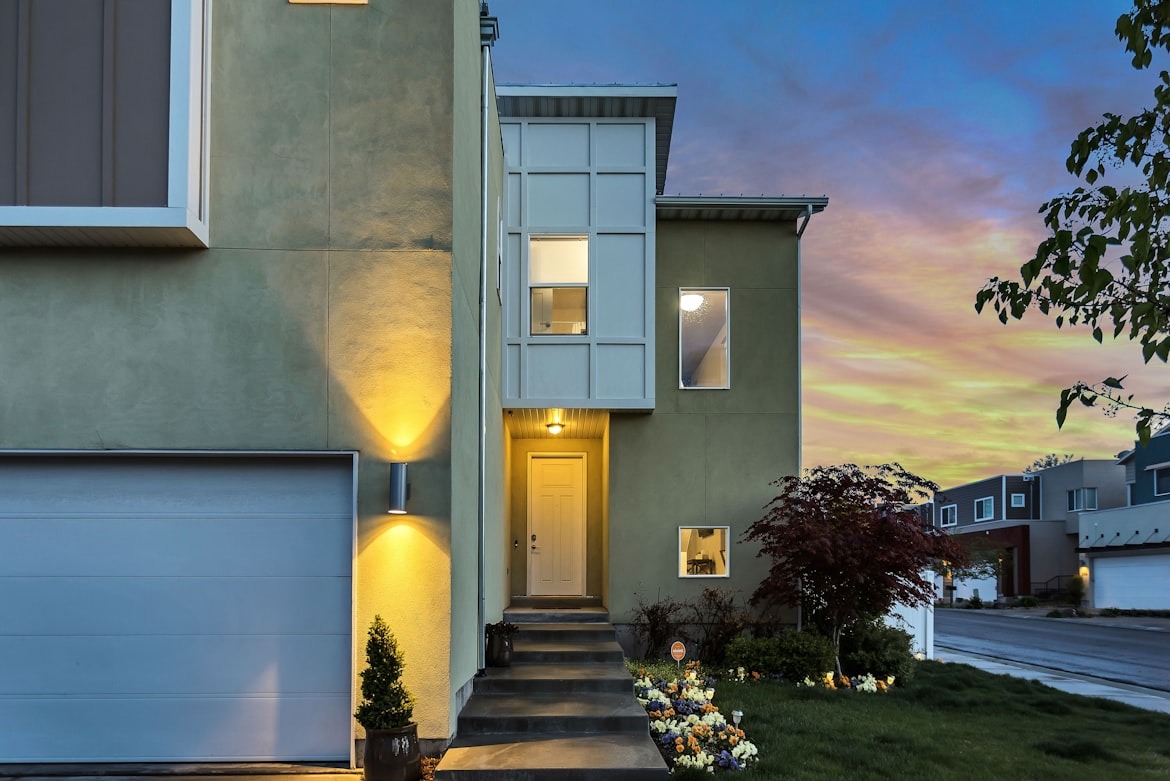
Smart home improvements do more than just lower monthly utility bills. They transform a house into a modern asset that appeals to the current generation of savvy buyers. High efficiency is now a standard expectation rather than a luxury upgrade. When you focus on the right systems, you build immediate equity while creating a more comfortable living environment for your family.

St. George summers are no joke. With temperatures regularly climbing past 105°F from June through September, a working air conditioner isn't a luxury in Southern Utah it's essential.

Utah’s spring housing market is showing signs of strain. Inventory is rising, contract cancellations are elevated, rents are softening, and buyer demand is not keeping pace with the number of homes hitting the market. For anyone asking whether Utah is shifting toward a buyer’s market, the latest signals point in that direction.
Access all your saved properties, searches, notes and more.
Access all your saved properties, searches, notes and more.
Enter your email address and we will send you a link to change your password.
I agree to receive marketing and customer service calls and text messages from Best Utah Real Estate. Consent is not a condition of purchase. Msg/data rates may apply. Msg frequency varies. Reply STOP to unsubscribe. Privacy Policy & Terms of Service.
Listings displayed on this website are provided via IDX. The website owner is not the listing broker or agent unless explicitly stated.

Your trusted MLS search companion