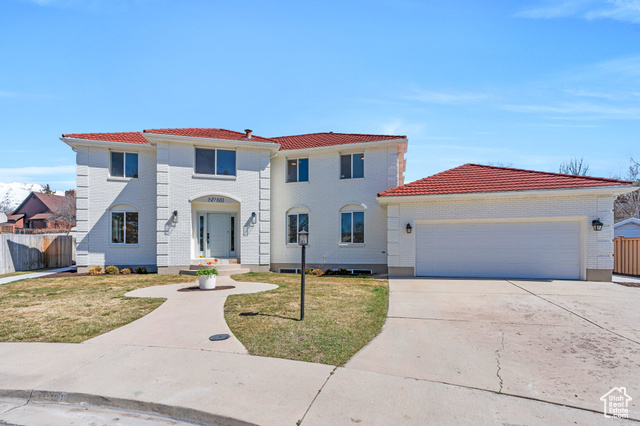



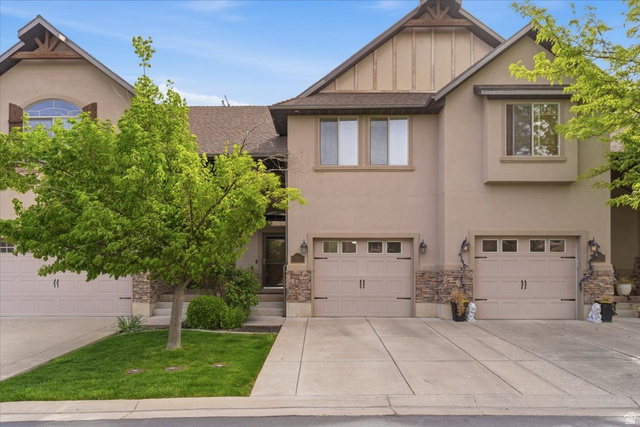

Restoring Utah’s Historic Homes: A Guide to Authentic Masonry
Utah’s historic homes carry a distinct architectural character shaped by regional stone, early craftsmanship, and centuries of environmental exposur


Utah continues to attract newcomers for its outdoor access, growing economy, and family-oriented communities. Recent population forecasts project dramatic growth over the next several decades, and that trajectory is already reshaping neighborhoods, housing options, and infrastructure across the state. This guide answers the ten most common questions prospective residents ask about living in Utah, combining data, local context, and practical evaluation steps. It is designed to help families, young professionals, retirees, and investors decide whether Utah is the right fit and how to plan a successful move.
A world-class sculptor moved from the East Coast to Utah, choosing the state as the new home base for a nationally commissioned monument. The decision combined professional opportunity, civic enthusiasm, and a sense that Utah’s cultural and civic leaders are eager for large-scale public art and projects. This example captures two recurring relocation themes: meaningful professional opportunity and a welcoming local civic climate that can make ambitious projects attainable.
Population projections from a respected state research institute forecast Utah growing by about 2 million residents over the next forty years, rising from roughly 3.6 million today to around 5.6 million by 2065. That kind of growth is similar in scale to adding another mid-sized state. The drivers are clear: strong in-migration, one of the nation’s highest birth rates, and robust job creation. With growth comes pressure on housing, transportation, schools, and air quality during certain seasons. Understanding these dynamics helps frame the practical answers below.
For official population data and demographic context, the U.S. Census Bureau and state resources can provide updated figures and county-level breakdowns. Example resources: census.gov and utah.gov.
Each question below follows a simple pattern: common perception, reality on the ground, and practical evaluation steps a prospective mover should take. This structure helps translate general claims (“Utah is affordable” or “jobs are plentiful”) into personal decisions tailored to budget, lifestyle, and career goals.
Perception: Utah often appears more affordable than West Coast or Northeast coastal metros. Many people expect lower housing costs and a cheaper cost of living compared with cities like San Francisco or New York.
Reality: Affordability in Utah has shifted. Housing is not as inexpensive as it once was. Median home prices are high relative to many parts of the country because supply is constrained by geography and demand remains strong. At the same time, wages have climbed: Utah ranks among the top states for wage growth and is currently high in national wage rankings. That combination can balance higher home prices for some, while making Utah feel expensive to those coming from lower-cost regions such as parts of the Midwest or South.
How to evaluate affordability personally
Perception: Utah is a rural state with limited employment opportunities beyond agriculture and tourism.
Reality: Utah’s economy is one of the strongest in the nation by several measures. Job growth, diversification, and unemployment rates are favorable relative to national averages. The Salt Lake City metropolitan area serves as a regional hub for technology, finance, healthcare, education, and logistics. Smaller metros and growing exurban communities are attracting businesses and remote workers. Entrepreneurship is active, and many newcomers cite Utah as an excellent place to start or scale a business.
How to evaluate employment prospects
Perception: Plenty of space and cheaper houses make buying easy.
Reality: The housing market is competitive. Prices are elevated in many parts of the state because demand outpaces supply. The rental market can also be tight in desirable neighborhoods. That said, buying remains a preferred strategy for long-term stability and wealth building, but it requires realistic expectations and preparation regarding price and timelines.
Practical guidance for buyers and renters
For detailed comparisons of renting versus buying and planning moves, some local resources include pages that analyze renting vs buying scenarios and tips for first-time buyers, which can be explored on state real estate pages and local housing guides. Specific local market write-ups are available for decision-makers considering St. George, Provo, Park City, and Salt Lake City.
Perception: Utah means endless sunshine, skiing, and perfect weather year-round.
Reality: The state delivers exceptional access to outdoor recreation and distinct four-season weather, but it has nuances. Summers and winters are generally predictable, with hot desert climates in the south and snowy alpine conditions in the mountains. Spring and fall can be volatile: it is common to experience warm days followed by early snow. A major weather characteristic is the dry climate, which affects skin, hair, and daily comfort for those used to humid conditions. Inversions in the Wasatch Front during winter cause air quality issues; these are predictable and can be managed by planning trips to higher elevations or scheduling breaks from valley air.
How to evaluate climate fit
Perception: Utah is a typical suburb and a newcomer will easily blend in anywhere.
Reality: Utah’s communities tend to be family-oriented with strong civic networks. Cultural norms differ from place to place. Some neighborhoods are highly homogeneous and may create an immediate sense of belonging for those aligned with local norms, while others are diverse and vibrant hubs of newcomers, professionals, and creatives. Cultural fit depends heavily on the chosen neighborhood, not the state as a whole.
How to assess community fit
Perception: Smaller state footprint means light traffic and easy commutes.
Reality: Commute dynamics vary. Average commute time across Utah is shorter than many western metros—around the low 20 minutes—yet congestion exists in high-growth corridors and new suburbs. Commutes from certain exurban areas can be lengthy during peak hours. Infrastructure projects are underway in many corridors, and travel times are expected to improve as road and transit expansions are completed.
Public transit options are strongest in Salt Lake County, with light rail and bus service concentrated in the metropolitan area. Outside the core metro, public transportation is limited to regional buses and commuter rail along major corridors.
How to evaluate commute trade-offs
Perception: Schools are uniformly excellent across the state.
Reality: Utah has excellent schools, but quality varies by district and neighborhood. High-growth communities can experience temporary strain on schools as new developments fill up. School ranking metrics may not immediately reflect actual classroom quality in fast-developing areas; it often takes a community several years to stabilize and for schools to achieve consistent outcomes.
How to evaluate school choices
Perception: All services will be identical to those in larger coastal metros.
Reality: Healthcare systems in the more populated parts of the state are strong, with major research hospitals and a wide range of specialists, particularly in the Salt Lake City area. Rural pockets have more limited access. Utilities are relatively affordable in many parts of Utah, and some counties benefit from lower energy costs. The state’s dry climate and wide elevation range require attention to home systems like humidifiers and appropriate insulation. Neighborhood logistics—like proximity to grocery stores, clinics, and emergency rooms—should be evaluated during a scouting trip.
How to evaluate logistics for daily life
Perception: Utah is all perks and few negatives.
Reality: Every place has trade-offs. In Utah, the most-cited downsides include the dry climate for those used to humidity, quirky alcohol laws in some jurisdictions, limited late-night nightlife in most cities, distance from the ocean, and winter inversion events that affect air quality. These are manageable for many but important for those with specific lifestyle or health needs.
How to weigh the downsides
Perception: A single checklist or article can definitively say whether Utah is right for anyone.
Reality: Determining fit requires personal priorities and on-the-ground exploration. Utah offers a rich set of opportunities, but success depends on matching lifestyle, career, and housing needs to the right city and neighborhood. A short scouting trip can reveal whether a place suits daily routines and personal tastes.
Decision framework: a step-by-step approach
Growth projections indicate several counties and regions that will see the largest increases: the Wasatch Back (counties north and east of the Salt Lake Valley near Heber and Midway), Utah County to the south (including Provo, Eagle Mountain, and Saratoga Springs), and southwestern Washington County (St. George and surrounding communities). The Salt Lake City metropolitan area will remain a central hub for the foreseeable future and is expected to grow more vertically as the valley fills. These shifts create opportunities for investment, new construction, and revitalized urban districts.
Key planning considerations for growth areas
Below are recommended resources and pages with in-depth local insights. Each resource should be read in light of personal priorities and the specific city of interest. The following city-specific resources offer practical guides and community profiles:
For a statewide property search and additional tools, see: https://bestutahrealestate.com
For demographic verification and population tables, the U.S. Census Bureau publishes updated county and state population estimates: census.gov. State planning and growth documentation is available at utah.gov.
Buyers
Sellers
Investors
Utah’s combination of natural beauty, economic opportunity, and community orientation has made it a top destination for families, professionals, retirees, and investors. Growth will continue to reshape neighborhoods and infrastructure, so newcomers who plan with local data and on-the-ground visits gain the best outcomes.
For deeper local insights, consult neighborhood guides and market reports for Salt Lake City, St. George, Provo, Park City, and Heber. Useful pages include the Salt Lake City neighborhood page, St. George relocation resources, Provo community guides, and Park City living pages listed above. For statewide property searches and listing tools, refer to https://bestutahrealestate.com.
Additional practical resources
Planning a move to Utah becomes clearer when priorities, neighborhood research, and on-the-ground visits are combined. The right fit is less about a single city and more about matching lifestyle, career, and family needs to a neighborhood that supports them.
Is Utah more affordable than coastal states?
Utah is generally more affordable than many coastal metros, particularly parts of California and the Northeast. However, affordability varies widely by city and neighborhood, and many newcomers from lower-cost regions will find housing and everyday expenses higher than expected. Wage growth in Utah helps offset costs for many people, but the decision should be based on a personal budget assessment that includes housing, utilities, transportation, and taxes.
How strong are jobs and wages in Utah?
Utah's job market ranks among the strongest in the country, with low unemployment and growing wages in several sectors, notably tech, healthcare, education, and professional services. Prospective movers should research industry-specific hiring trends and consider remote work options to maximize job flexibility.
Should newcomers rent first or buy right away?
The choice depends on timeline, financial readiness, and how confident the mover is about neighborhood preferences. Many new residents buy soon after arriving because the price appreciation and supply dynamics make purchasing sensible for long-term plans. Others prefer renting initially to test neighborhoods and commutes. A scouting trip and local market research will clarify the best path.
What is winter like, and how bad are inversions?
Winters are snowy in mountain areas and mild in desert regions. Inversions--periods of trapped cold air in the valleys--can cause poor air quality in the Wasatch Front. Inversions are predictable events and can be mitigated by spending time at higher elevations during peak inversion periods or by selecting housing in less-affected neighborhoods.
Do school rankings vary across Utah?
Yes. School quality differs by district and neighborhood. High-growth suburbs sometimes have new schools that need several years to stabilize. Parents should visit schools, review enrollment trends, and consider charter or private options where relevant.
Is public transportation available statewide?
Public transit is most developed in the Salt Lake City metro with light rail and bus networks. Outside the metro, transit options are limited to regional buses and commuter rail on major corridors. Residents who rely on public transit should prioritize living in Salt Lake County or transit-oriented neighborhoods.
What are the biggest lifestyle trade-offs?
Key trade-offs include dry climate effects, less nightlife in many areas, limited proximity to the ocean, and winter air quality inversions. For many, those trade-offs are offset by outdoor access, community networks, and career opportunities.
Where is Utah growing fastest?
Growth is concentrated in the Wasatch Back (Heber Valley and Midway), Utah County suburbs (Provo, Saratoga Springs, Eagle Mountain), and Washington County (St. George). Salt Lake City remains a central hub that is also increasingly building vertically as horizontal expansion becomes constrained.
Is healthcare accessible throughout the state?
Healthcare access is strong in populated regions, with major hospitals and specialty care in the Salt Lake City area and other regional centers. Rural areas have fewer options, so proximity to clinics and hospitals should be considered when choosing a location.
How should one start planning a move?
Start with a clear list of must-haves and deal-breakers, research neighborhood profiles, schedule a scouting trip, and secure a mortgage pre-approval if buying. For many people, a short in-person visit provides decisive clarity.
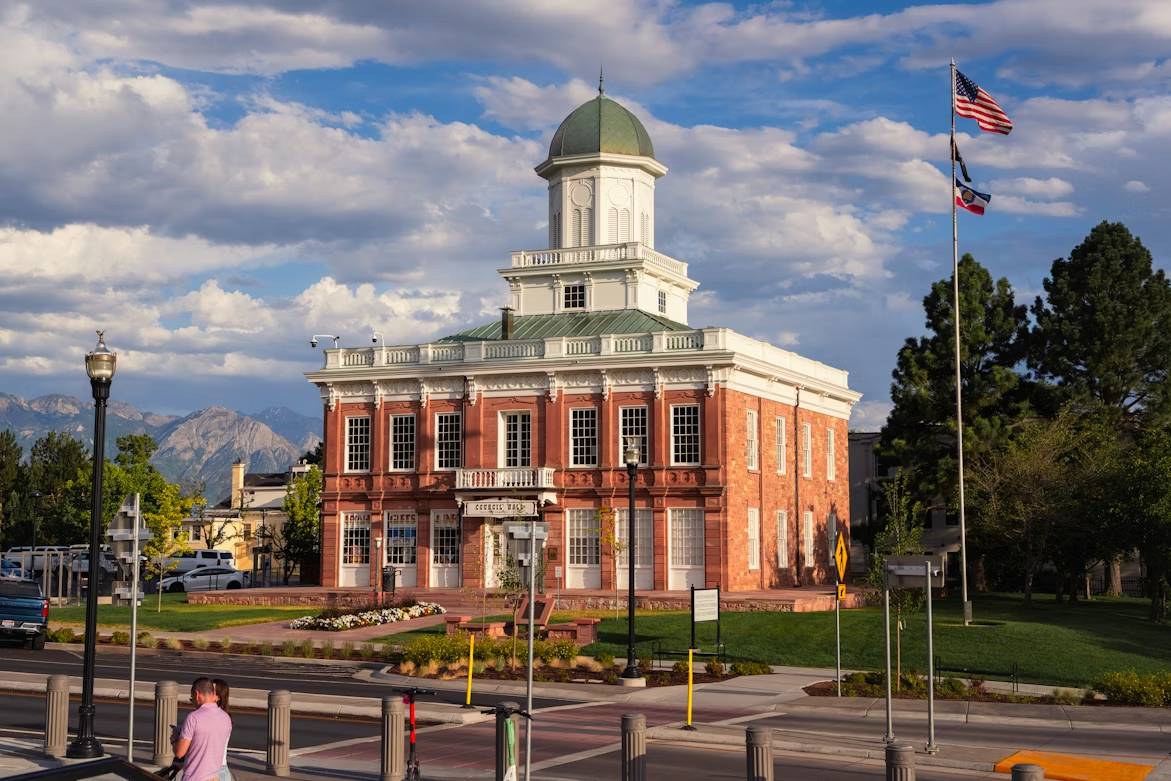
Utah’s historic homes carry a distinct architectural character shaped by regional stone, early craftsmanship, and centuries of environmental exposur

Smart home improvements do more than just lower monthly utility bills. They transform a house into a modern asset that appeals to the current generation of savvy buyers. High efficiency is now a standard expectation rather than a luxury upgrade. When you focus on the right systems, you build immediate equity while creating a more comfortable living environment for your family.

St. George summers are no joke. With temperatures regularly climbing past 105°F from June through September, a working air conditioner isn't a luxury in Southern Utah it's essential.
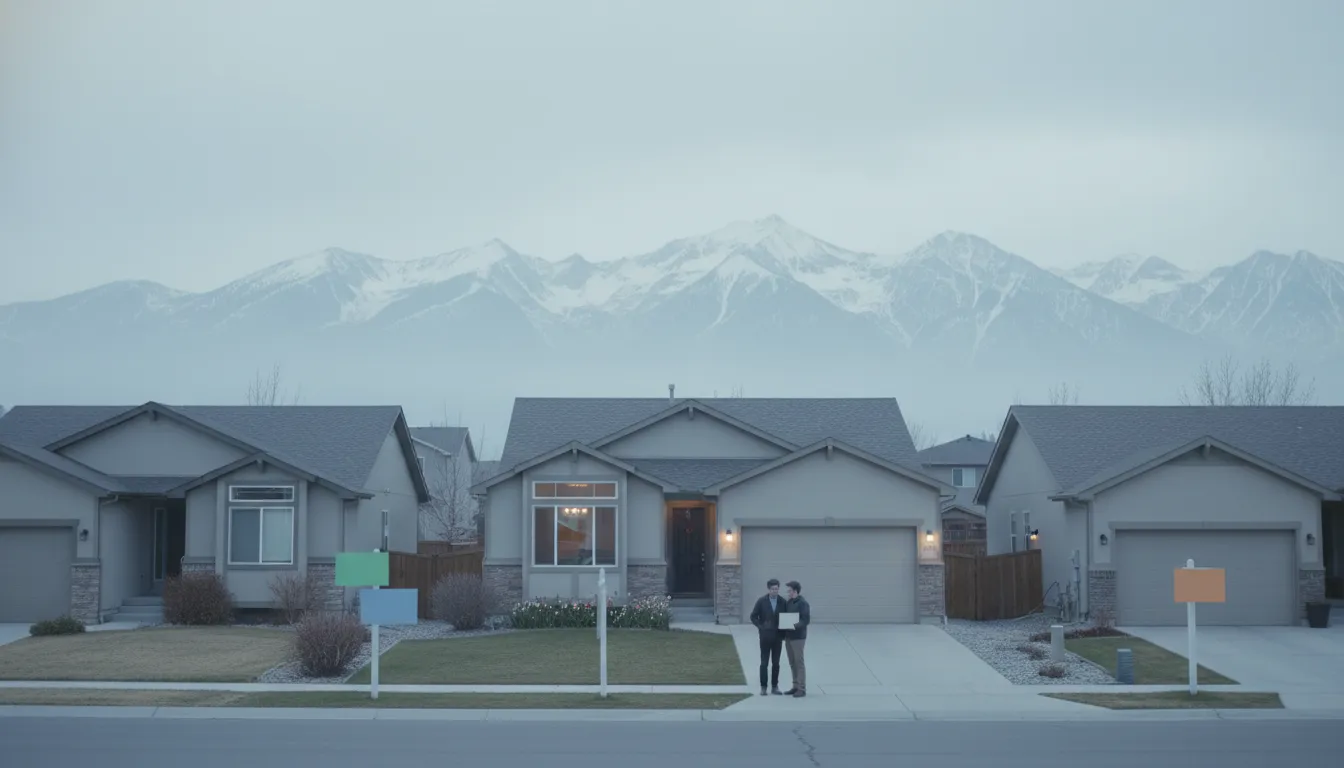
Utah’s spring housing market is showing signs of strain. Inventory is rising, contract cancellations are elevated, rents are softening, and buyer demand is not keeping pace with the number of homes hitting the market. For anyone asking whether Utah is shifting toward a buyer’s market, the latest signals point in that direction.
Access all your saved properties, searches, notes and more.
Access all your saved properties, searches, notes and more.
Enter your email address and we will send you a link to change your password.
I agree to receive marketing and customer service calls and text messages from Best Utah Real Estate. Consent is not a condition of purchase. Msg/data rates may apply. Msg frequency varies. Reply STOP to unsubscribe. Privacy Policy & Terms of Service.
Listings displayed on this website are provided via IDX. The website owner is not the listing broker or agent unless explicitly stated.
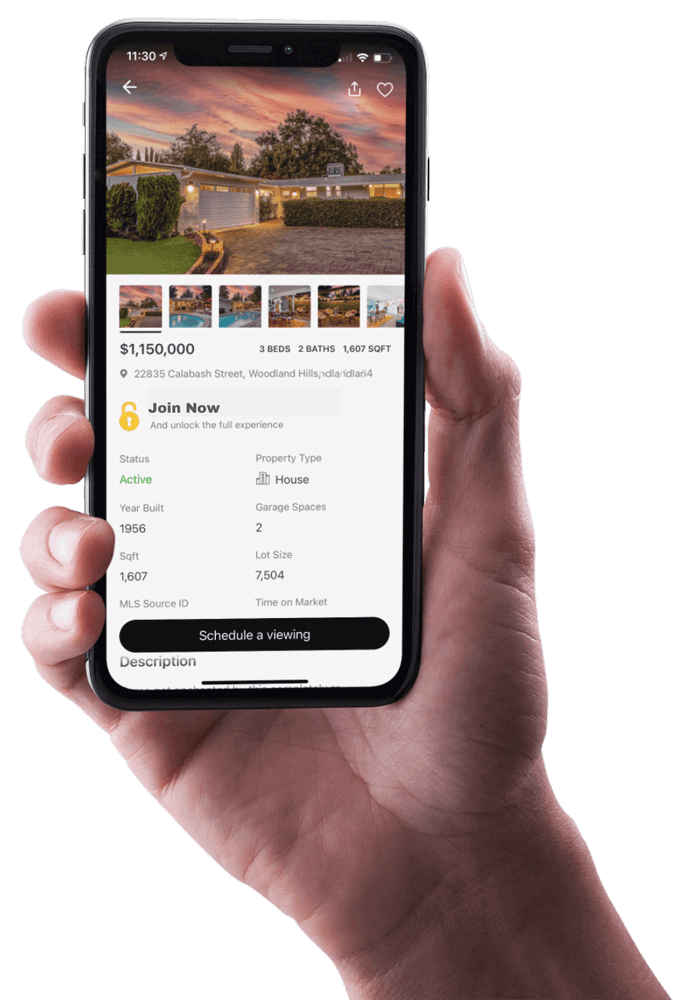
Your trusted MLS search companion