Restoring Utah’s Historic Homes: A Guide to Authentic Masonry
Utah’s historic homes carry a distinct architectural character shaped by regional stone, early craftsmanship, and centuries of environmental exposur

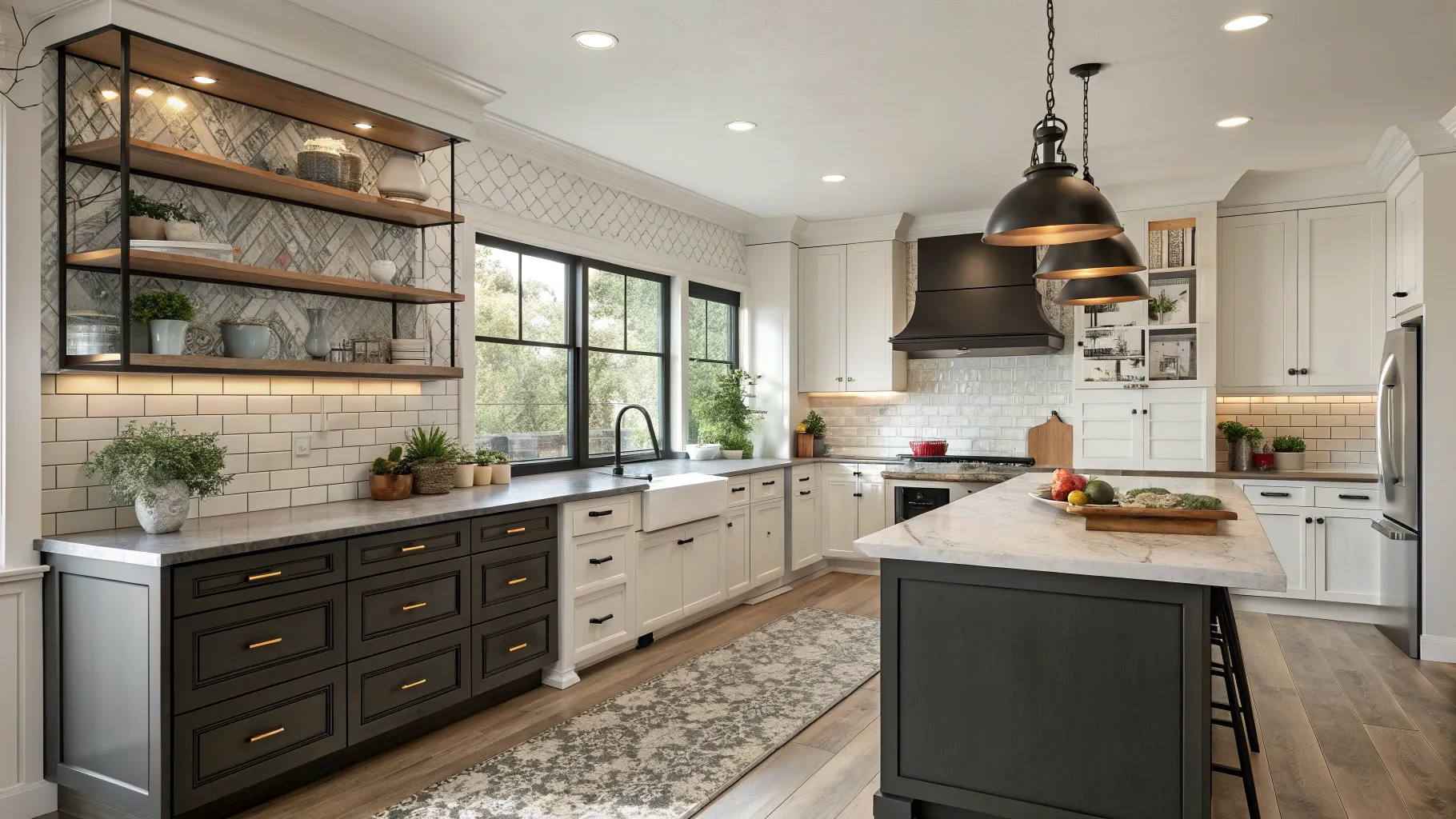
Kitchen design decisions influence daily life and long term home value more than most other interior choices. Some trends peak quickly and leave a kitchen feeling dated, cluttered, or dysfunctional within a few years. For Utah homeowners planning a remodel or preparing a property for market, understanding which choices to avoid—and which durable alternatives to embrace—helps protect resale value and ensures a kitchen that feels purposeful, comfortable, and timeless.
This guide identifies five kitchen trends that are losing favor as 2026 approaches, explains why each can be a mistake, and offers practical, Utah-focused alternatives. The content also highlights three enduring trends that deliver longevity and broad buyer appeal. Wherever possible, the guidance incorporates cost and build considerations, material choices suited to Utah climates and styles, and resale implications for cities from Salt Lake to St. George.
Trends matter for homeowners and investors in Utah because kitchen updates often provide one of the highest returns on investment. However, trend-driven choices that are narrowly fashionable today can hurt appeal tomorrow. A kitchen remodel should balance personality with flexibility that accommodates shifting tastes and regional preferences.
Utah's housing stock varies greatly: mountain town chalets, suburban single family homes, and high-desert ranch-style properties all coexist. Ceiling heights, natural light, and floor plans differ across cities and neighborhoods. These variables affect how a design choice reads in the space. For instance, a dramatic oversized pendant may appear fitting in a Park City ski-in home with cathedral ceilings but overpower a mid-century kitchen in Salt Lake when installed over a small island.
Considerations for Utah buyers:
Why this trend is falling out of favor
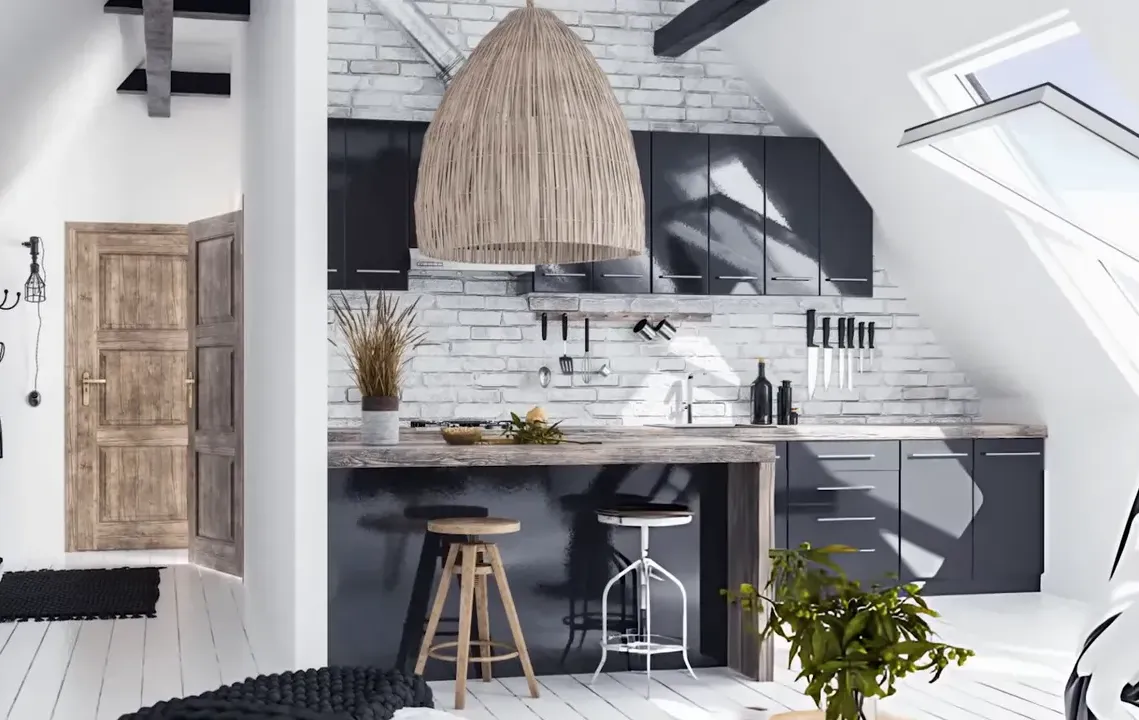
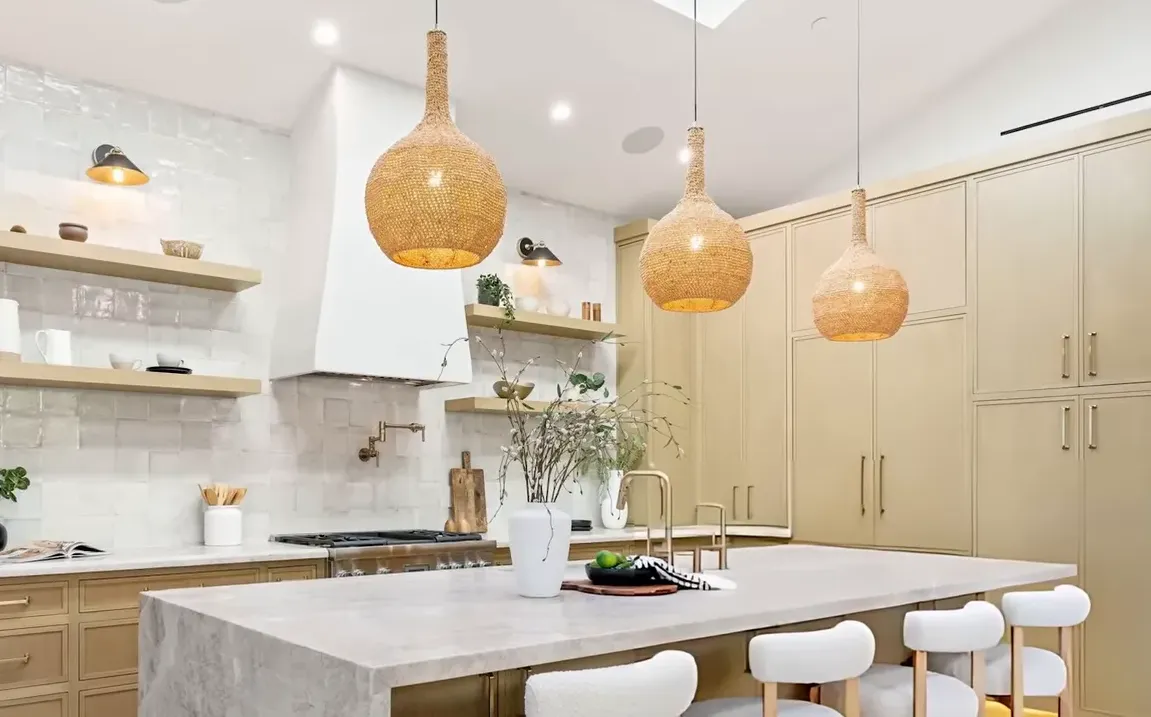
Giant metal cone pendants and oversized dome shades were popular for photographs and social media, but scale issues quickly reveal themselves in real homes. When a pendant overwhelms the proportion of the island or hangs too low for everyday tasks, the light reads like a "UFO" over the workspace. Large single-shape fixtures can dominate sightlines and shrink the perceived scale of the room, which is especially problematic in Utah homes with modest kitchen footprints or lower ceiling heights in many suburban neighborhoods.
Design drawbacks:
When a large pendant does work
There are contexts where oversized pendants read as intentional and elegant: vaulted ceilings, a long banquet-style island in an open plan, or a formal dining-kitchen hybrid in a higher-end Park City or Heber property. The key is proportional balance to the island and ceiling volume.
Alternatives and Utah-specific recommendations
Implementation checklist
Why the nostalgia trend is problematic in kitchens
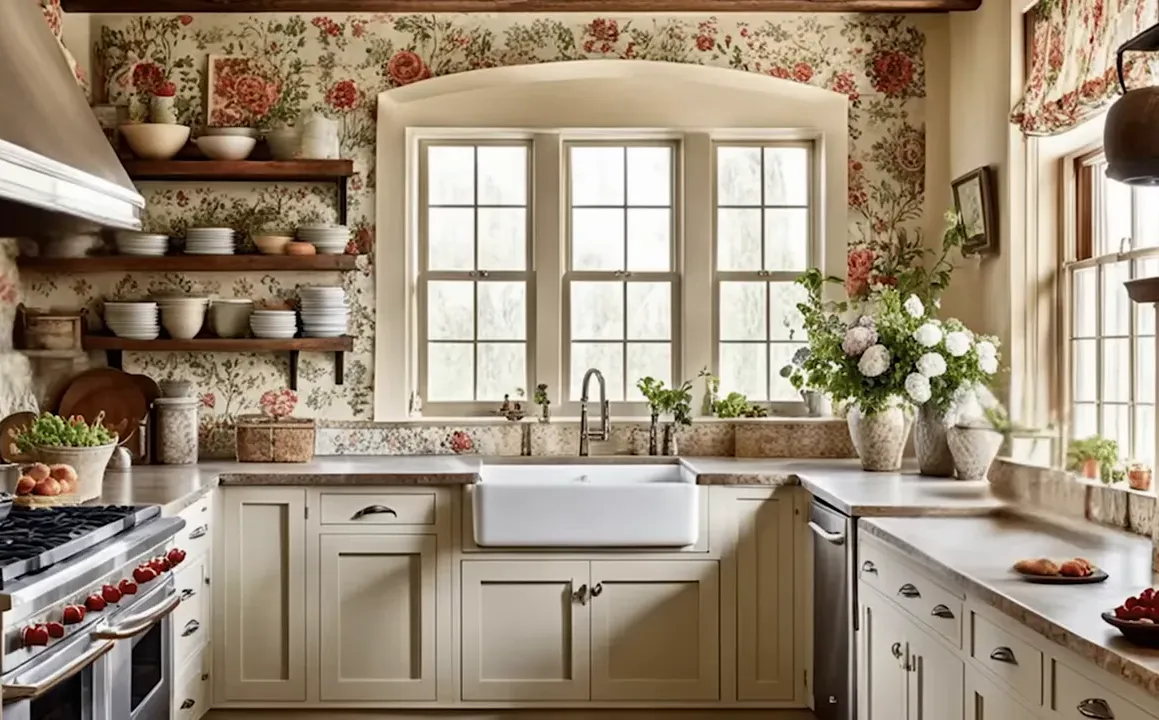
The grandmillennial aesthetic—vintage charm, florals, embroidered or ruffled textiles, and collected antiques—offered a contrast to decades of minimalist modernism. In moderation, these elements can add personality and warmth. However, kitchens are utility-first spaces. Excessive patterning via floral wallpaper, ruffled valances, and competing vintage patterns creates visual clutter, reduces perceived hygiene and utility, and can overwhelm a work-focused environment.
Design drawbacks:
How to extract the positives without going overboard
Grandmillennial elements can be used as accents that provide charm without compromising functionality. Here are sensible ways to borrow the aesthetic on Utah properties:
Utah resale insight
Regional buyers often appreciate a sense of authenticity rooted in natural materials and craftsmanship. A single heirloom light fixture or a curated vintage stool can communicate story and charm while preserving broad appeal. Avoid heavy wallpaper and fabric treatments in cooking zones to maintain easy maintenance and buyer friendliness.
Why sharp edges are cooling off
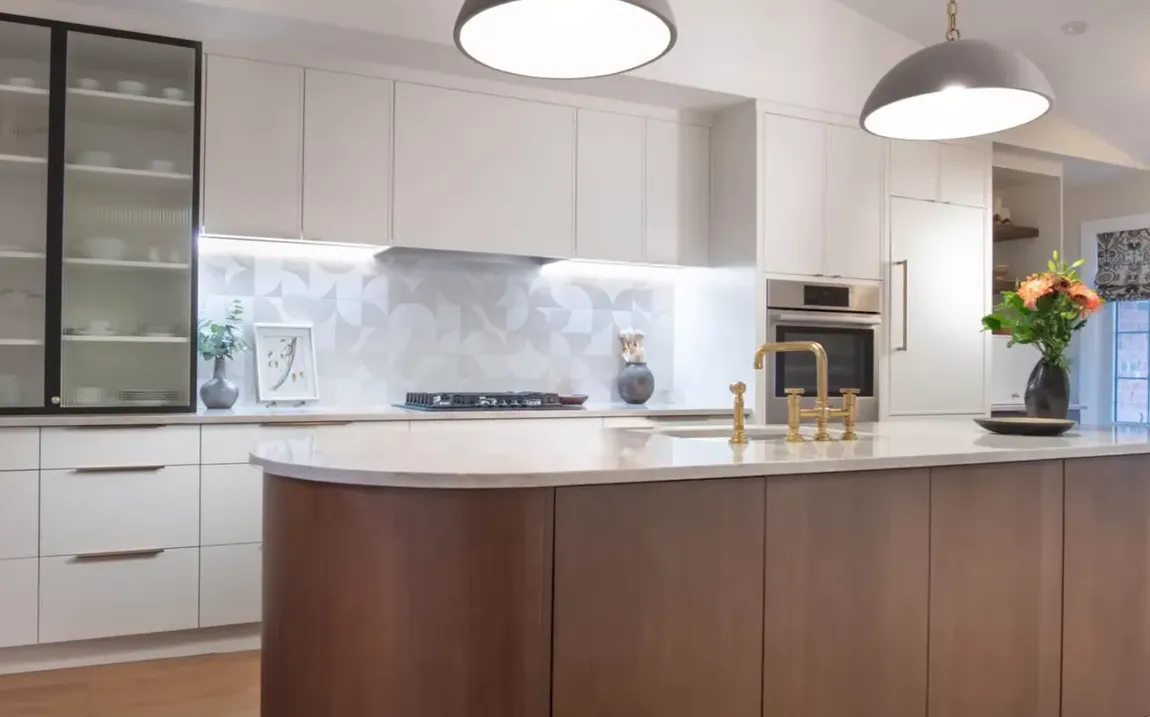
Angular, rectilinear shapes dominated recent years—square countertop edges, precision-cut subway tile, and cubist islands. While clean lines read as ultra-modern, extensive use of sharp angles produces a cold, severe environment that can feel less inviting. National coverage and trade reporting indicate a pivot toward curves and organic shapes, which soften interiors and balance kitchens full of hard surfaces.
Design drawbacks:
Practical curved solutions
Cost considerations for Utah projects
Rounded stone edges and custom curved islands typically increase fabrication and installation costs. For homeowners on a budget, rounded edges on high-use islands paired with rectangular counters at perimeter zones provide an economical compromise. For custom curved islands, allocate budget for additional design and carpentry labor, and consider where the investment adds resale value within a specific Utah submarket.
Why playful accents are becoming dated
Neon signs, mirrored disco motifs, and novelty objects were hallmarks of social media-friendly interiors. While playful accents are a natural impulse, many of these items read as temporary and youthful, signaling a college-dorm aesthetic rather than a long-term home investment. These accessories can date a space quickly and limit appeal to a narrow buyer demographic.
Design drawbacks:
Classy alternatives
Placement in Utah homes
Small coastal or mountain properties benefit from intentional art and a single standout piece rather than multiple novelty objects. Rotating small, colorful elements helps reflect seasonal indoor-outdoor living patterns popular across Utah counties.
Why this trend ranked as the most serious design misstep
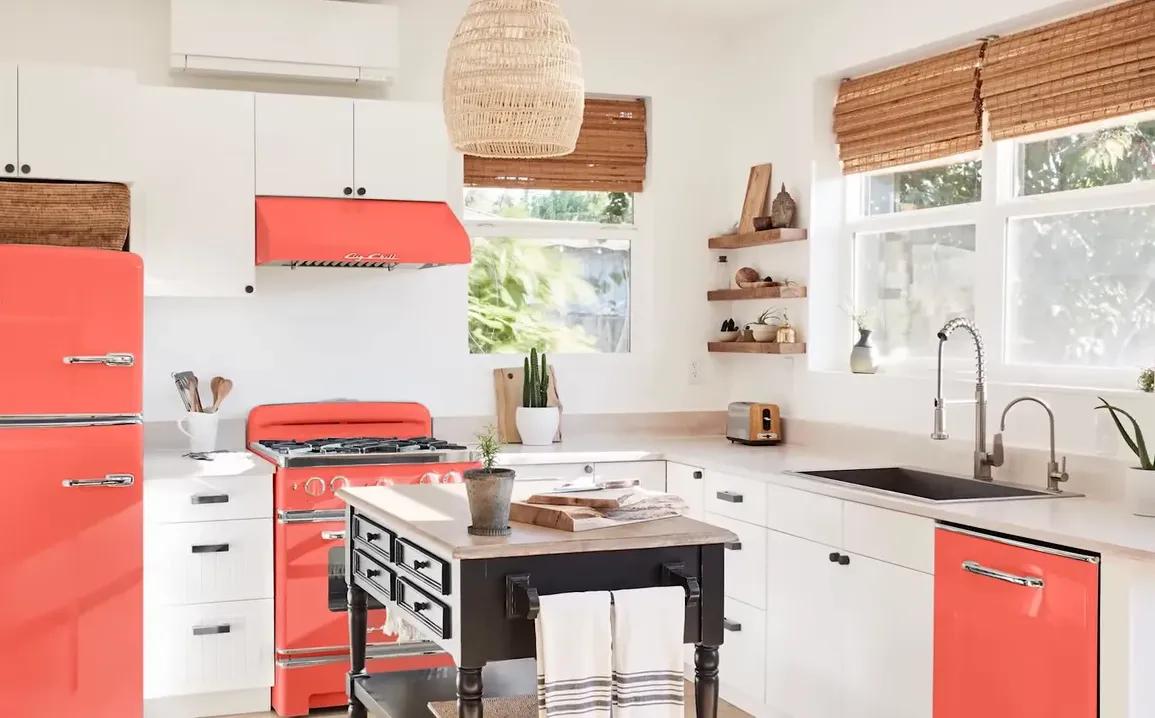
Colorful bespoke appliances—fridges, ranges, and dishwashers finished in pink, green, or saturated blues—represent a bold counterpoint to years of white and stainless. While visually compelling, these appliances are a design commitment. Popular colors shift, and replacing a major appliance due to changing taste is expensive. For homeowners and investors mindful of resale and long term flexibility, colorful appliances risk creating a kitchen that buyers will view as idiosyncratic and costly to correct.
Market and financial risks
Safer strategies
Utah resale perspective
Regional buyers often prefer a cohesive appliance suite and neutral canvases. Panel-ready units and a single, well-chosen statement piece typically maintain longer-term buyer interest than an entire suite in an ephemeral color.
While several micro-trends are fading, three design directions have staying power and broad appeal. Utah homeowners who adopt these strategies position their kitchens to remain attractive and functional for years.
Why curves work
Curves and sculptural forms soften a room full of hard surfaces and create a welcoming atmosphere. Rounded pendants, domed lamp shades, and curved furniture mitigate the severity of angular cabinetry and stone surfaces. The National Kitchen and Bath Association reported that decorative lighting is one of the primary ways kitchens express style; rounded sculptural lighting is a top choice for homeowners wanting decorative impact that remains tasteful.
Practical implementation
Why material layering is timeless
Natural materials—stone, wood, and metals—interact to create a collected, well-considered aesthetic. Layering materials adds depth and tactility and communicates quality to buyers. For Utah homes, pairing a wood island base with a natural stone countertop, or combining brass hardware with handmade tiles, yields a look that speaks to regionally favored craftsmanship and outdoor influences.
Tips for material selection
Why natural wood is back
Following long runs of white and grey kitchens, natural wood tones bring warmth and universality. The NKBA 2026 Kitchen Trend Report shows strong preference numbers: wood-green cabinets and white oak ranked highly among respondents, and natural quartzite is a leading stone choice for both countertops and backsplashes. These materials age gracefully and support a wide array of color schemes, making them a safe, stylish investment for Utah properties.
How to apply these materials in the Utah market
Effective budgeting protects both design integrity and resale value. The most enduring renovations plan materials and layout choices that outlast a single trend cycle. The following provides a practical, phased approach tailored to Utah projects, from pre-design to finish.
Start with a clear budget broken down into categories: cabinetry, countertops, appliances, lighting and electrical, plumbing, tile and backsplashes, flooring, labor and permits, and contingency. For many Utah homeowners, a contingency of at least 10 to 15 percent helps mitigate unforeseen site conditions, particularly in older homes where upgrades to wiring or plumbing may be necessary.
Budget ranges for guidance (regional averages, subject to project scope)
Make time to choose finishes that age well: neutral cabinet bodies, natural wood islands, engineered or natural stone countertops, and durable flooring suited to Utah climates. Specify lighting layers and consider integrated or panel-ready appliances if long-term flexibility is a priority.
Obtain at least three bids from licensed contractors familiar with local code and climate considerations. Verify licensing and insurance and review prior project photos for workmanship quality. Ensure structural changes and electrical or gas work are permitted; these items influence timelines and inspections in cities across Utah.
Schedule milestones for demolition, rough-in, cabinetry installation, countertop templating and installation, and finishes. Take delivery and photograph finishes before installation where possible. Small details—edge profiles, grout color, and hardware spacing—have outsized impact on perceived quality.
When preparing a remodeled kitchen for the market in Utah, neutral accessories, unobtrusive art, and inviting lighting create broad buyer appeal. If occupancy is the goal, homeowners may introduce personality through easily changeable items such as bar stools, textiles, and art.
Utah's dry climate is generally forgiving for wood and stone, but seasonal humidity swings in some regions can affect finish performance. Use appropriate sealants on natural stone and select finishes for cabinetry that tolerate thermal expansion and contraction. Local suppliers and fabricators familiar with Utah conditions can recommend finishes and installation techniques that minimize long-term maintenance.
For homebuyers and sellers looking for local guidance, consider reviewing market pages that list current inventory and pricing to align renovation budgets with neighborhood expectations. Example resource: https://bestutahrealestate.com
Scenario: A family in South Jordan plans a mid-range kitchen renovation with resale in mind. The kitchen has a small island, 8-foot ceilings, and an open plan to the dining area. Applying the guidance above, the recommended approach would be:
This strategy balances personality with broad market appeal, avoids the most regrettable micro-trends, and leverages the value of natural materials in a Utah context.
Before committing to design choices, Utah homeowners should run through a concise checklist to reduce risk:
When trends are selected thoughtfully and paired with durable materials, a kitchen remodel can enhance daily life and deliver strong returns in Utah's varied real estate markets. Emphasizing scale, layered lighting, natural materials, and restrained personalization keeps kitchens current without being captive to the next short-lived craze.
For anyone seeking more localized resources or property listings in Utah, review current inventory and neighborhood market data at https://bestutahrealestate.com. For broader regulatory or statistical references, consult official state or industry sources such as utah.gov or nar.realtor for market reports and guidelines.
What are the most common kitchen trends that reduce resale value in Utah?
Trends that are overly personalized--such as neon signage, disco finishes, and bespoke colored appliances--often reduce resale value. Buyers in Utah tend to favor neutral, natural finishes and functional layouts. Sweeping patterns, excessive ruffled textiles, or permanent appliance colors narrow the buyer pool and can deter offers.
How should ceiling height affect lighting choices in a kitchen remodel?
Ceiling height dictates pendant scale and placement. For standard 8-foot ceilings, choose low-profile pendants and maintain about 30 to 36 inches of clearance from the countertop surface. For vaulted ceilings, pendants can be larger, but proportions should still relate to island length and overall room volume. Layered lighting--recessed cans plus task and accent lights--ensures functional illumination without relying solely on statement fixtures.
Are panel-ready appliances a good investment for Utah homeowners?
Panel-ready appliances are a practical investment when long-term flexibility matters. They allow cabinetry to define the kitchen aesthetic, enabling future owners to change appliances without altering the visual composition. Panel-ready options are especially valuable in markets where buyer preferences vary, which is common across Utah regions.
How can small kitchens adopt the curved shapes trend affordably?
Small kitchens can introduce curved elements through rounded countertop edges, circular light fixtures, or a small round bistro table. These softer shapes cost significantly less than custom curved islands and still produce a more inviting atmosphere. Handmade tiles with soft edges can also add organic texture without a major budget increase.
What materials perform best for Utah kitchens considering climate and longevity?
Durable natural materials like white oak for cabinetry, natural quartzite for countertops, and artisan ceramic tiles for backsplashes perform well in Utah's climate when specified and installed correctly. Stone sealants and proper cabinet finishes help mitigate temperature and humidity variation concerns. Choose finishes that balance robustness with timeless appeal to maximize longevity.
Should homeowners prioritize aesthetic trends or functionality when remodeling for resale in Utah?
Functionality should be the foundation of any kitchen remodel aimed at resale. Functional improvements--efficient layouts, sufficient storage, and reliable appliances--provide universal appeal. Aesthetics should add tasteful, flexible accents rather than dominate the design. Neutral base finishes with high-quality materials and modest, updateable accessories marry functionality with desirability.
How much should a homeowner budget for lighting updates in a mid-range remodel?
Lighting budgets vary, but set aside 5 to 10 percent of the total remodel budget for lighting and electrical. This allocation allows for layered lighting--recessed cans, task lights, and designer pendants--plus updated switches and dimmers. Investing in lighting delivers disproportionate benefits in perceived quality and usability.
What is the best way to test how a trend will look before committing to it?
Mockups and samples are essential. Use temporary fixtures, taped outlines, and material swatches in the kitchen under various light conditions. For larger investments, request digital renderings and ask fabricators for sample edge profiles and tile mockups. Testing small accessories first--like textiles and art--helps determine whether a trend fits the home's larger aesthetic without major expense.

Utah’s historic homes carry a distinct architectural character shaped by regional stone, early craftsmanship, and centuries of environmental exposur
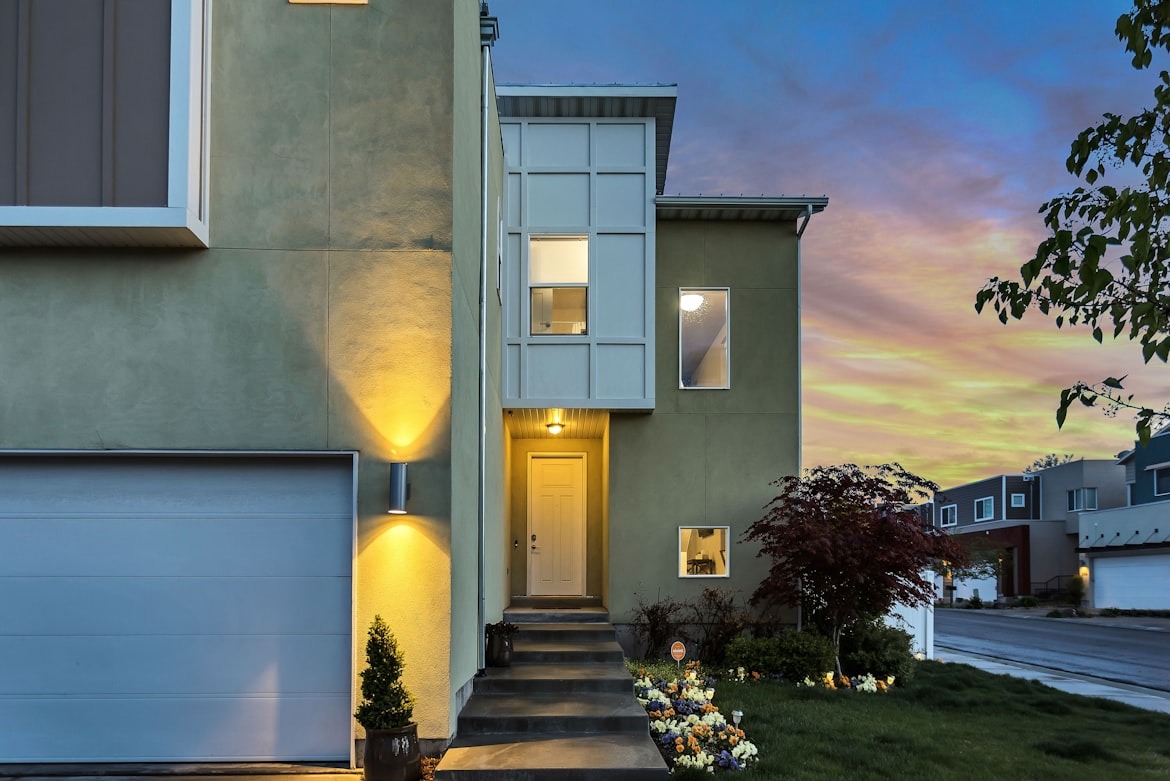
Smart home improvements do more than just lower monthly utility bills. They transform a house into a modern asset that appeals to the current generation of savvy buyers. High efficiency is now a standard expectation rather than a luxury upgrade. When you focus on the right systems, you build immediate equity while creating a more comfortable living environment for your family.

St. George summers are no joke. With temperatures regularly climbing past 105°F from June through September, a working air conditioner isn't a luxury in Southern Utah it's essential.
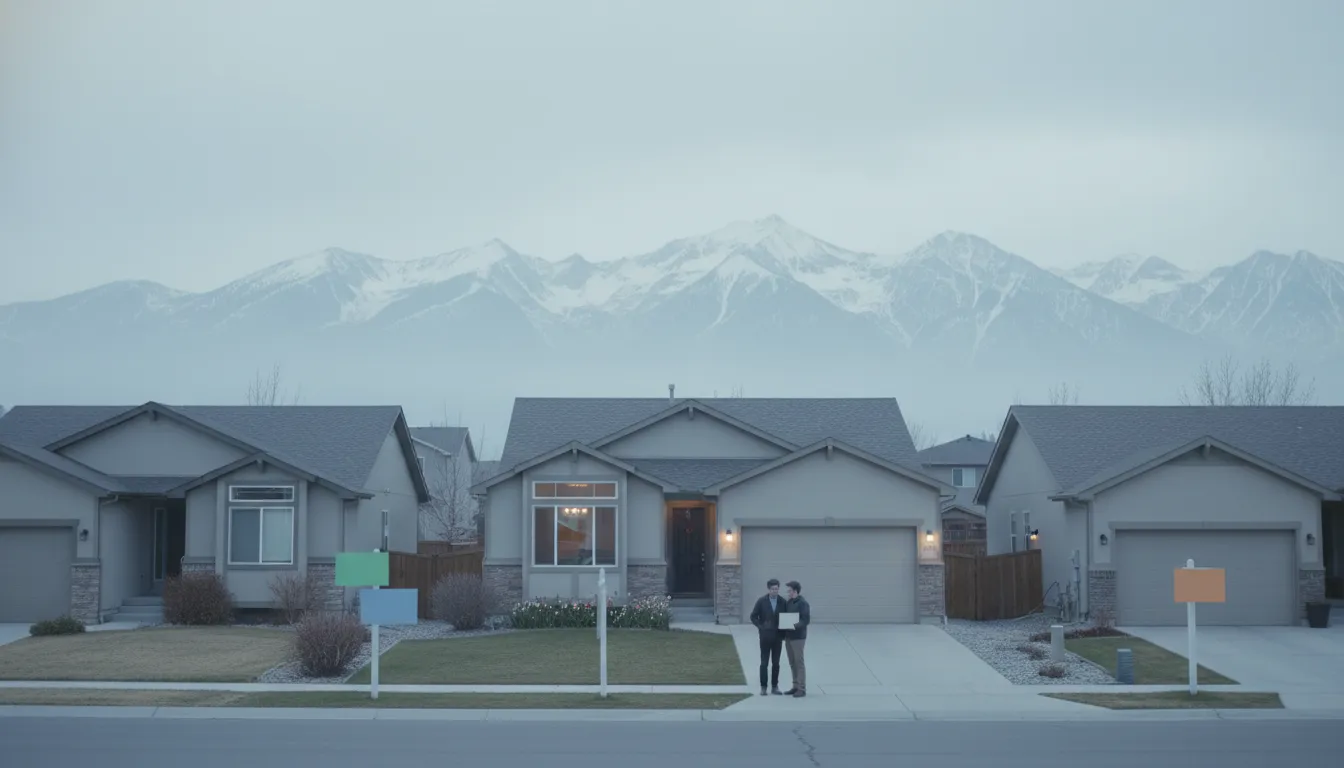
Utah’s spring housing market is showing signs of strain. Inventory is rising, contract cancellations are elevated, rents are softening, and buyer demand is not keeping pace with the number of homes hitting the market. For anyone asking whether Utah is shifting toward a buyer’s market, the latest signals point in that direction.
Access all your saved properties, searches, notes and more.
Access all your saved properties, searches, notes and more.
Enter your email address and we will send you a link to change your password.
I agree to receive marketing and customer service calls and text messages from Best Utah Real Estate. Consent is not a condition of purchase. Msg/data rates may apply. Msg frequency varies. Reply STOP to unsubscribe. Privacy Policy & Terms of Service.
Listings displayed on this website are provided via IDX. The website owner is not the listing broker or agent unless explicitly stated.

Your trusted MLS search companion