


Restoring Utah’s Historic Homes: A Guide to Authentic Masonry
Utah’s historic homes carry a distinct architectural character shaped by regional stone, early craftsmanship, and centuries of environmental exposur


Utah attracts a lot of attention for good reason. The state is known for dramatic mountain views, red rock landscapes, clean communities, outdoor recreation, family-friendly neighborhoods, and a strong economy. On paper, that can make Utah look like an easy yes.
But the real answer is more specific. Utah is not a perfect fit for everyone. For some people, it is one of the best places to live in America. For others, it feels limiting, isolating, or more expensive than expected. Whether Utah is worth the hype depends less on social media appeal and more on lifestyle fit.
This guide breaks down the biggest realities of living in Utah so buyers, renters, and relocating households can make a smarter decision before moving.
Utah tends to work especially well for people who want structure, safety, access to nature, and a community culture that leans family-centered. It can also be a strong match for self-starters, entrepreneurs, tech workers, healthcare professionals, and people pursuing long-term stability.
At the same time, Utah can be a harder adjustment for people who expect the state itself to create a new lifestyle for them. The setting is beautiful, but daily life still revolves around commuting, housing costs, work, social circles, and neighborhood culture.
That is why the better question is not just “Is Utah good?” It is “Is Utah good for this stage of life and this type of person?”
Utah’s natural beauty is one of its strongest draws. The state is home to world-famous destinations such as Zion, Bryce Canyon, and Arches, along with mountain ranges, ski areas, desert landscapes, and a wide range of outdoor spaces.
That matters for people who want a lifestyle built around hiking, skiing, biking, trail access, or weekend road trips.
Utah is widely seen as a good fit for families. Many areas are known for clean neighborhoods, a sense of order, and community patterns centered around children, schools, and long-term homeownership.
For households looking for space, predictability, and family-oriented surroundings, Utah often feels intentionally designed around those priorities.
Utah also appeals to people who like to build. The state is often a strong environment for entrepreneurs, operators, small business owners, real estate professionals, construction, healthcare, and certain tech-related careers.
People who are disciplined, organized, and willing to create momentum for themselves often do well here.
Utah is highly rewarding, but it is also highly specific.
That means the same traits that make it feel excellent to one person can make it feel restrictive to another. A strong shared culture can feel supportive if someone aligns with it. That same culture can feel hard to break into if someone does not.
In practical terms, Utah often does not feel extreme right away. Instead, the mismatch shows up gradually through social isolation, lifestyle friction, or unmet expectations.
Utah is visually impressive, but day-to-day life is still day-to-day life. Most residents are not spending ordinary weekdays inside a national park. They are handling work, errands, traffic, school schedules, and housing costs like everyone else.
That matters because Utah’s beauty delivers the most value to people who actually use it.
For active residents, Utah can feel energizing. For less outdoors-oriented households, the scenery can fade into the background faster than expected.
Utah has one of the clearest cultural identities in the country. Many communities place a high value on family, structure, routine, cleanliness, and shared social norms.
This is not only about religion. It also affects assumptions about lifestyle, community expectations, social rhythm, and what a “typical” life looks like.
People who feel comfortable in that environment often describe Utah as stable and supportive. People outside that mold may not face direct hostility, but they can feel like they are on the edge of established community systems.
One of the most common surprises for transplants is the difference between friendliness and openness.
Utah residents are often polite, helpful, and courteous. But many social circles are already established through family ties, church communities, school history, or long-standing local relationships. That can make it difficult for newcomers to move from casual interaction into real belonging.
This is one of the most important quality-of-life issues to think through before relocating.
A polite environment is not always the same as an easy social environment.
Someone moving to Utah without a built-in network may need to be very intentional about community-building.
Utah used to carry a stronger reputation for affordability. That reputation has weakened, especially in and around Salt Lake City and other growing markets.
As growth accelerated, housing prices rose, rents increased, and traffic became more noticeable. The result is that Utah is no longer broadly cheap. It is better described as selectively affordable.
That distinction matters.
Readers comparing broader housing options can review Utah real estate listings and market options to get a clearer sense of price differences across the state.
For a deeper look at statewide affordability pressure, see rising cost of living in Utah’s booming real estate market.
Utah tends to shine most for family households. Neighborhood design, housing patterns, and community life often support that stage of life very well.
Singles, child-free adults, or people seeking a more nightlife-driven social environment may have a different experience.
Some of the common challenges for singles include:
That does not mean singles cannot thrive in Utah. It means expectations should be realistic. Someone looking for a high-energy urban social scene may find better alignment in only certain parts of the state.
Utah can be a very strong place for people who create their own momentum.
That includes:
People who are proactive often find real opportunity in Utah. People who are passive and waiting for a place to create meaning for them may not feel the same upside.
This is a major reason Utah gets such mixed reviews. Ambitious and disciplined residents often experience Utah very differently from people who expected the move alone to solve a deeper dissatisfaction.
This may be the most important takeaway.
Utah does not usually transform someone into a new version of themselves. It tends to magnify what is already there.
In other words, Utah is often less of a reset button and more of a mirror.
Utah often works best for:
Utah can be a harder fit for:
A practical way to evaluate a move is to score Utah against actual priorities instead of general reputation.
If the answer is yes to most of these, Utah may be a very strong fit. If several answers are no, the state may be overhyped for that person’s needs.
Landscape matters, but it does not replace social fit, affordability, and daily routine.
Some parts of Utah may feel very different from others. Areas with more transplants may feel easier for newcomers to enter socially than places with deeply rooted local networks.
For city-specific comparisons, readers may also want to review moving to Utah: everything you need to know and explore targeted market pages such as St. George real estate.
In Utah, waiting passively for friendships to form can lead to disappointment. New residents usually benefit from joining activities and showing up consistently in community spaces.
Housing, rent, and cost of living have changed. Buyers and renters should evaluate current conditions rather than relying on Utah’s old reputation.
Utah is not inherently overrated. It is often misunderstood.
The state is excellent for many people, but the reasons it is excellent are fairly specific. Trouble starts when Utah gets marketed as universally perfect. It is not.
Utah is more accurately described as a place with a high ceiling for the right resident and a frustrating mismatch for the wrong one.
Yes, for the right person.
Utah can offer an outstanding quality of life for people who want outdoor access, family-centered communities, structure, and room to build a stable life. It can also be a powerful place for professionals and entrepreneurs who create their own opportunities.
No, for the wrong fit.
People who need immediate social openness, a broader nightlife scene, or a less structured culture may find Utah harder than expected. Others will be surprised by how much affordability has changed.
The smartest way to think about Utah is this: it is not a universal upgrade. It is a specific match.
Is Utah a good place to live?
Utah can be a very good place to live for people who value outdoor recreation, family-oriented communities, structure, and long-term stability. It is not the best fit for everyone, especially those who want a more open-ended social scene or expect low housing costs everywhere.
Why do some people love living in Utah while others leave?
Experiences vary because Utah has a strong culture and a specific lifestyle appeal. People who align with that environment often thrive. People who feel disconnected from the culture, struggle to build community, or expected Utah to feel more universally accessible may decide it is not the right fit.
Is Utah affordable anymore?
Utah is no longer broadly cheap. In many growing areas, housing prices and rent have increased significantly. Affordability now depends more on income, location, and housing strategy than on the state’s old reputation.
Is Utah good for singles?
Utah can be more challenging for singles than for families, depending on the area and the lifestyle they want. Some singles find the dating pool narrow and the nightlife limited, while others do well by focusing on outdoor communities, career networks, and more transplant-heavy areas.
What is the biggest downside of moving to Utah?
For many newcomers, the hardest part is not weather or jobs. It is social integration. Utah can be polite and welcoming on the surface while still being difficult to break into socially, especially for people without existing community ties.
Who should move to Utah?
Utah is often a strong fit for families, outdoor enthusiasts, entrepreneurs, disciplined professionals, and people who want a structured, values-driven environment. Those groups tend to benefit most from what the state offers.
Should someone move to Utah just for the scenery?
Not by itself. Utah’s scenery is a major benefit, but it matters most when it is part of an active lifestyle. A move based only on appearances can lead to disappointment if the daily routine, social environment, and housing costs are not also a good match.
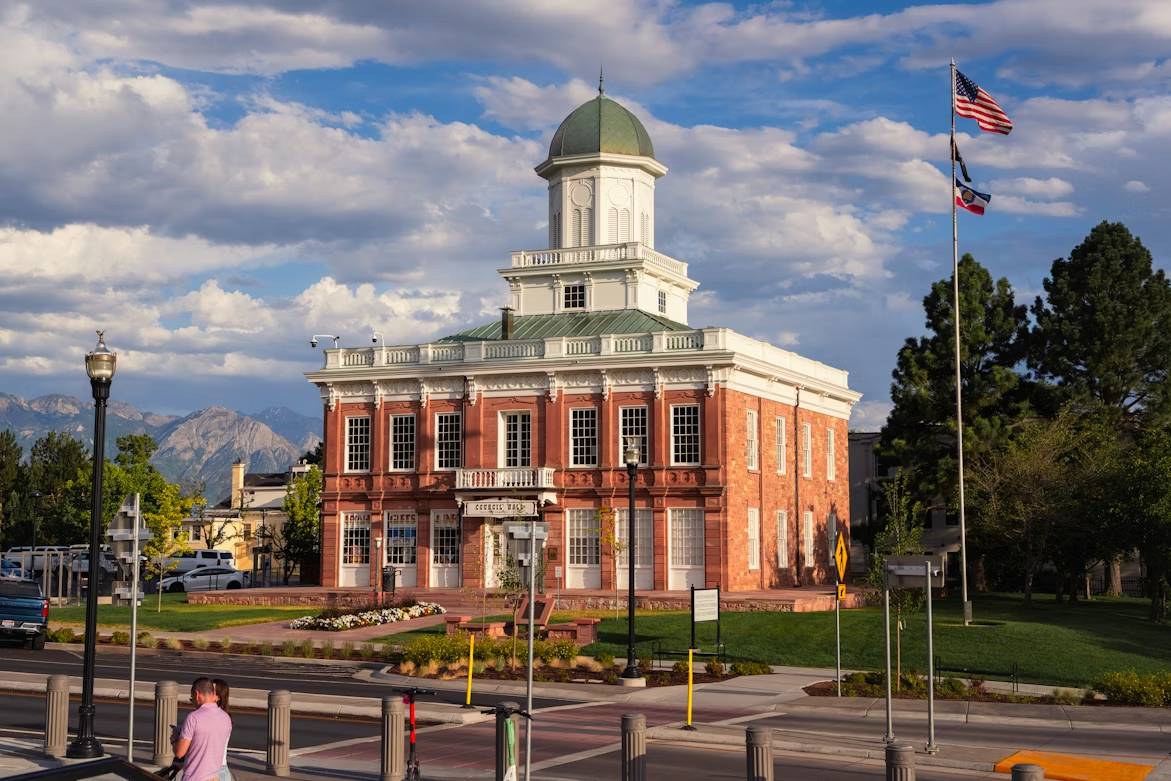
Utah’s historic homes carry a distinct architectural character shaped by regional stone, early craftsmanship, and centuries of environmental exposur
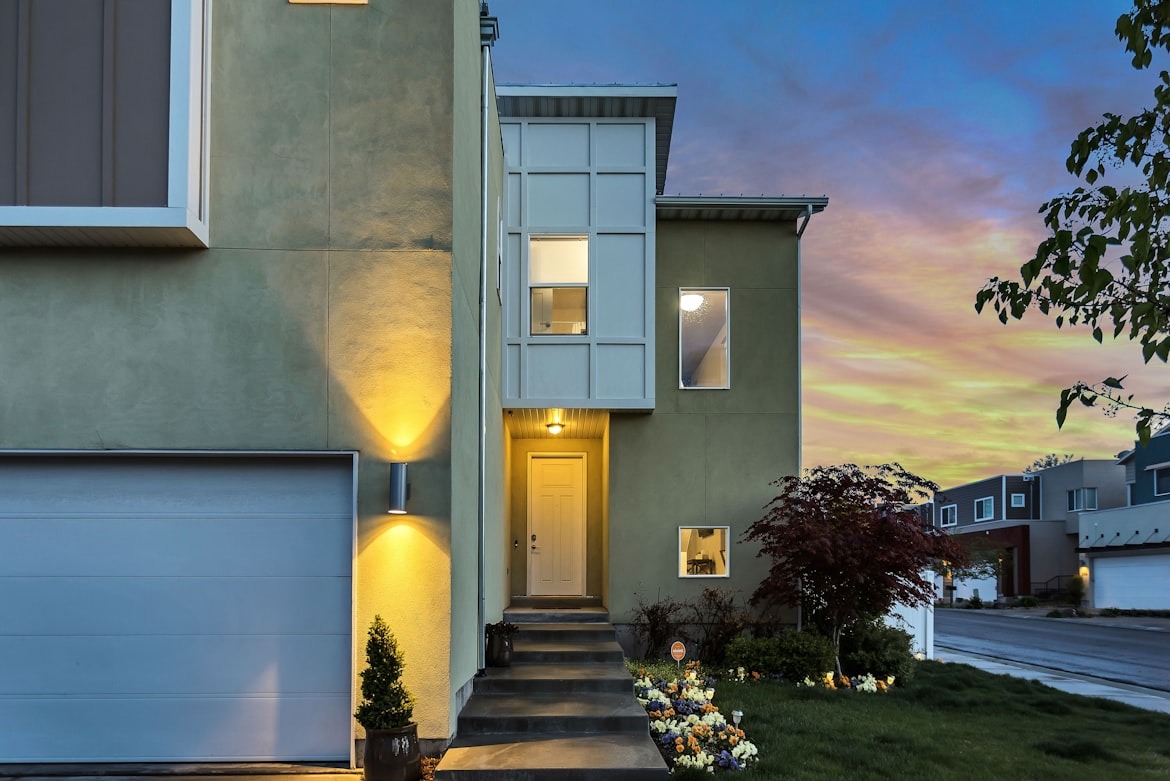
Smart home improvements do more than just lower monthly utility bills. They transform a house into a modern asset that appeals to the current generation of savvy buyers. High efficiency is now a standard expectation rather than a luxury upgrade. When you focus on the right systems, you build immediate equity while creating a more comfortable living environment for your family.

St. George summers are no joke. With temperatures regularly climbing past 105°F from June through September, a working air conditioner isn't a luxury in Southern Utah it's essential.
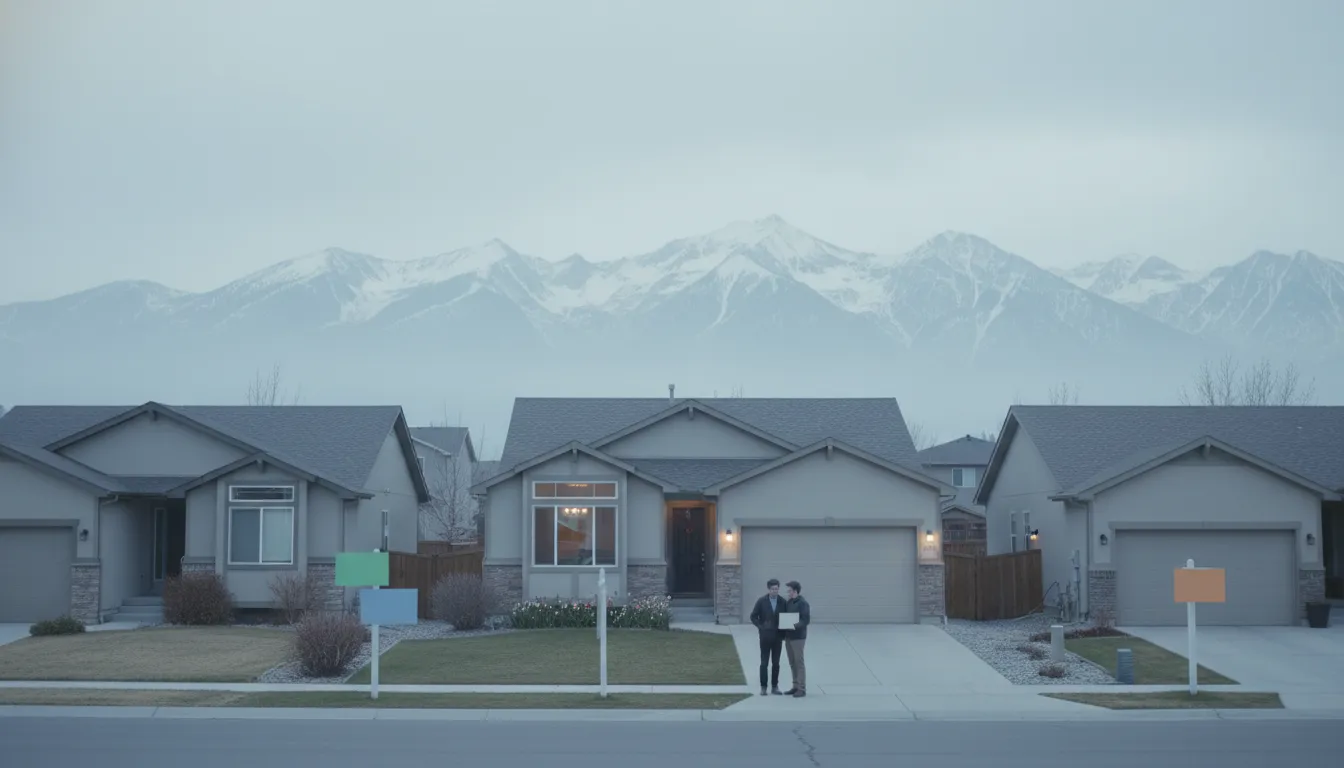
Utah’s spring housing market is showing signs of strain. Inventory is rising, contract cancellations are elevated, rents are softening, and buyer demand is not keeping pace with the number of homes hitting the market. For anyone asking whether Utah is shifting toward a buyer’s market, the latest signals point in that direction.
Access all your saved properties, searches, notes and more.
Access all your saved properties, searches, notes and more.
Enter your email address and we will send you a link to change your password.
I agree to receive marketing and customer service calls and text messages from Best Utah Real Estate. Consent is not a condition of purchase. Msg/data rates may apply. Msg frequency varies. Reply STOP to unsubscribe. Privacy Policy & Terms of Service.
Listings displayed on this website are provided via IDX. The website owner is not the listing broker or agent unless explicitly stated.
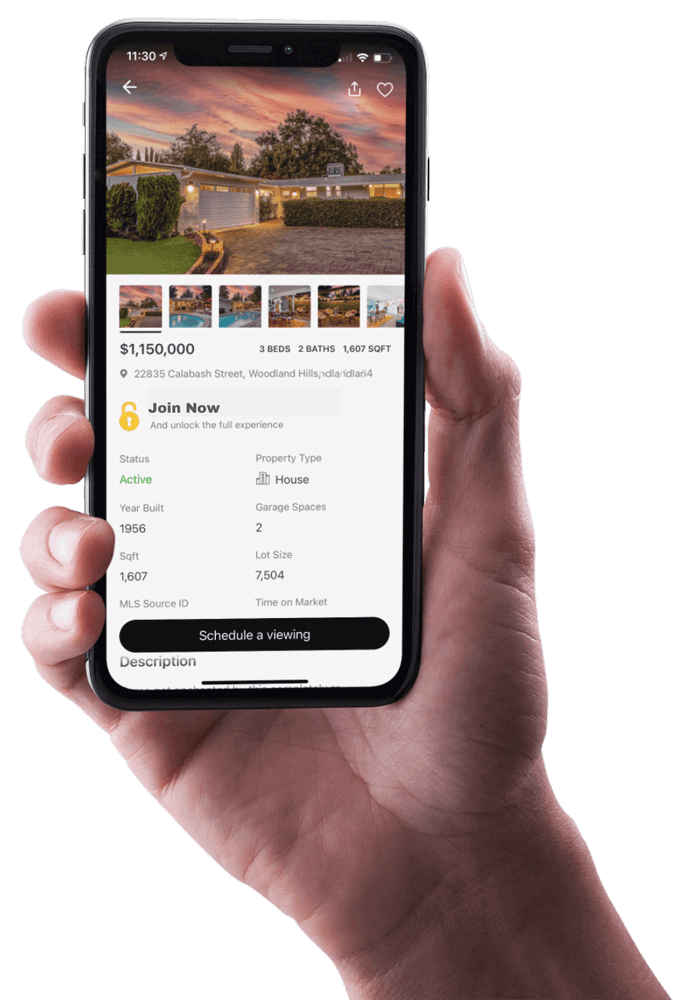
Your trusted MLS search companion