

Restoring Utah’s Historic Homes: A Guide to Authentic Masonry
Utah’s historic homes carry a distinct architectural character shaped by regional stone, early craftsmanship, and centuries of environmental exposur

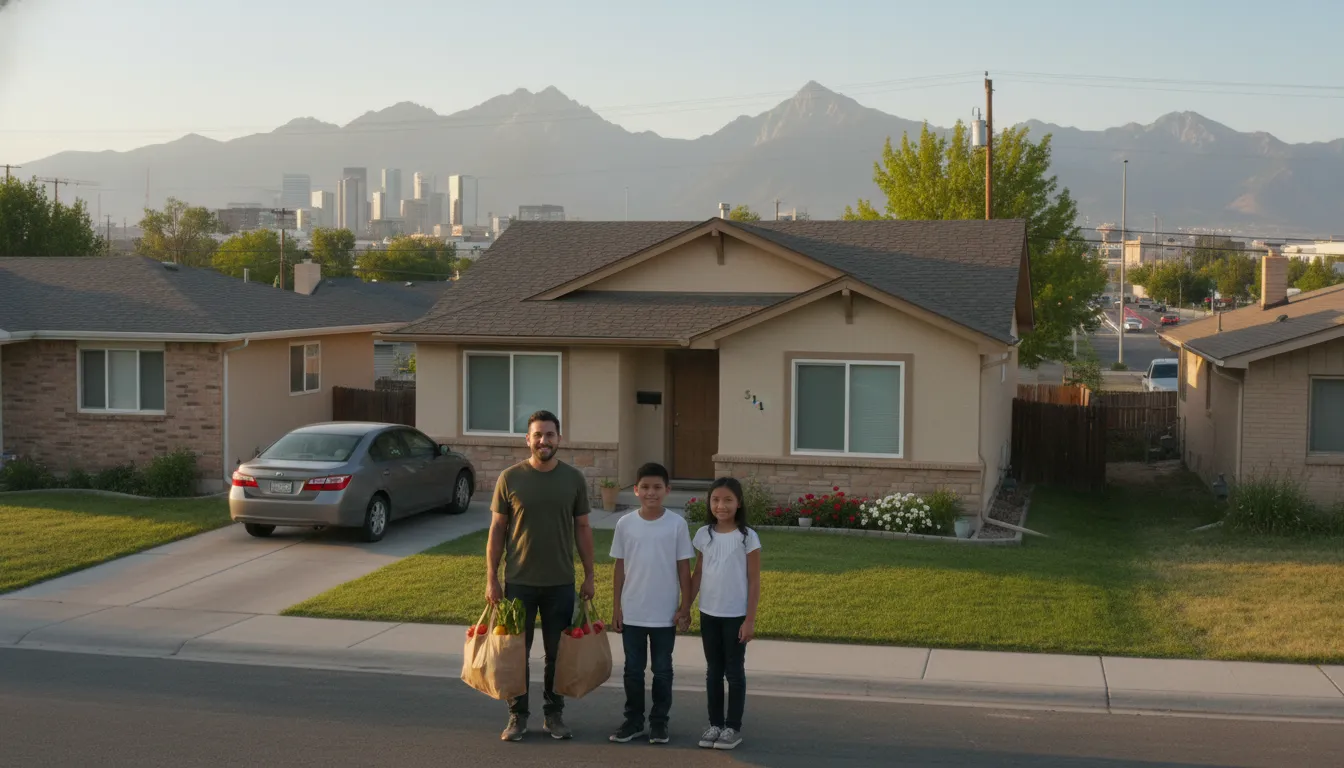
Utah still has a strong reputation for quality of life, job growth, and a cost of living that looks reasonable compared with places like California, New York, or Hawaii. But that comparison can be misleading.
For many households, the real question is not whether Utah is cheaper than the coasts. It is whether a normal income can still support housing, transportation, childcare, groceries, insurance, and everyday life without constant financial pressure.
The short answer is this: Utah can still be affordable, but it is no longer broadly affordable in the way many people assume. Housing costs changed the equation, especially after 2020, and the state now tends to reward higher earners, remote workers, and buyers with flexibility on location.
Utah often appears affordable because the state performs well when income is compared to overall cost of living. That matters, and it helps explain why many people continue relocating within Utah or moving in from other states.
There are also real advantages that support the affordability argument:
That said, headline affordability is not the same as lived affordability. A state can rank well overall while still being difficult for first-time buyers, renters, and single-income households.
The biggest shift was housing.
Utah saw a dramatic run-up in home prices in 2020 and 2021, with median home prices rising more than 40 percent during that period. When home prices move that quickly, affordability changes fast even if incomes are rising too.
That creates a gap between perception and reality:
In practical terms, many households now need to spend far more to buy the same type of home that was reachable just a few years earlier.
A common frustration in Utah is earning a solid income while still feeling stretched. That is usually the result of several costs rising at the same time, not just one.
Housing is the first domino, but it is not the only one. Once monthly housing costs rise, the rest of the budget gets squeezed by everyday expenses such as:
This is why Utah can look affordable on paper but feel much more expensive in day-to-day life.
Affordability in Utah is highly situational. The same market can feel manageable for one household and impossible for another.
One of the biggest mistakes people make is judging Utah only against expensive coastal states.
Yes, Utah may cost less than California or New York. But that is not the standard most households live by. A more useful question is:
Can a household live a stable, ordinary life in Utah without constantly giving ground financially?
If housing takes too much of the monthly budget, the lower cost of other categories may not matter enough.
This is especially important for relocation decisions. A buyer moving from a market where starter homes cost far less can still experience major sticker shock in Utah, even if Utah remains cheaper than some headline comparison markets.
When people budget for a move, they often focus too heavily on the home price or rent payment. Utah’s affordability challenge is broader than that.
Commonly overlooked cost pressures include:
The result is that some households are not technically priced out, but they are functionally stretched.
A practical way to evaluate Utah affordability is to look beyond listing prices and ask a few budget questions.
If the budget only works with one earner and little margin, Utah may feel tight in many parts of the state.
Utah tends to work better for households with upward mobility. Flat income and rising housing costs are a difficult combination.
Buyers who can widen the search area may find better value than those locked into one high-demand city or neighborhood.
Mortgage, rent, childcare, transportation, groceries, and insurance all need to be considered together.
A market can seem inexpensive relative to a very high-cost state while still being hard to sustain on local earnings.
Even in a tougher market, some buyers can improve their position by being more strategic.
Location flexibility can make a major difference. Households who insist on the most in-demand submarkets may feel Utah is unaffordable, while those open to outer-ring communities may find a workable path.
This does not mean every lower-cost area is automatically the right fit. It means buyers should weigh:
Readers comparing areas across the state can browse local market options through Utah real estate listings and market resources.
Renters are often the most exposed to affordability pressure because they do not benefit from fixed purchase pricing or home equity growth.
Utah may be especially difficult for renters who:
For some households, renting still makes sense. For others, comparing long-term costs of renting versus buying may be worthwhile, especially if stable employment and credit readiness are already in place. Related considerations are covered in this Utah rent versus buy comparison.
The pressure described above points to a larger supply and affordability issue. When prices and rents rise faster than many households can reasonably keep up with, more supply becomes part of the long-term solution.
That matters not only for first-time buyers, but also for renters and working households trying to stay in the communities where they live and work.
For broader market context, readers may also find value in this Utah housing market analysis.
Utah is still affordable for some households, in some locations, under the right financial conditions.
It tends to work best for:
It is much harder for:
The clearest takeaway is that Utah has become more selective. For the right household, it can still offer excellent value and lifestyle. For others, the costs are no longer easy to absorb.
Is Utah cheaper than California but still hard to afford?
Yes. Utah can be less expensive than California and still feel financially difficult because housing, rent, childcare, insurance, utilities, and everyday expenses have all put pressure on household budgets.
Why do many Utah residents feel priced out even with decent jobs?
The biggest reason is the jump in housing costs after 2020. Many households also face rising rent and higher day-to-day expenses, which can make a solid income feel much less comfortable than expected.
Who can still afford to buy a home in Utah?
Utah tends to work best for buyers with above-average incomes, remote income tied to higher-paying markets, strong career growth potential, or flexibility to live farther from the most expensive areas.
Is Utah affordable for first-time home buyers?
It can be, but it is more difficult than it used to be. First-time buyers face higher entry costs than buyers who purchased before 2020, so financing readiness, location flexibility, and buyer assistance options matter more than ever.
Are renters falling behind in Utah?
Many renters are under pressure because rent growth has outpaced wage growth for some households. Without income growth or a clear path to homeownership, it can become harder to keep up and save.
What is the biggest mistake people make when judging Utah affordability?
The biggest mistake is comparing Utah only to very expensive states. A better test is whether total local living costs fit the household’s actual income and long-term goals.
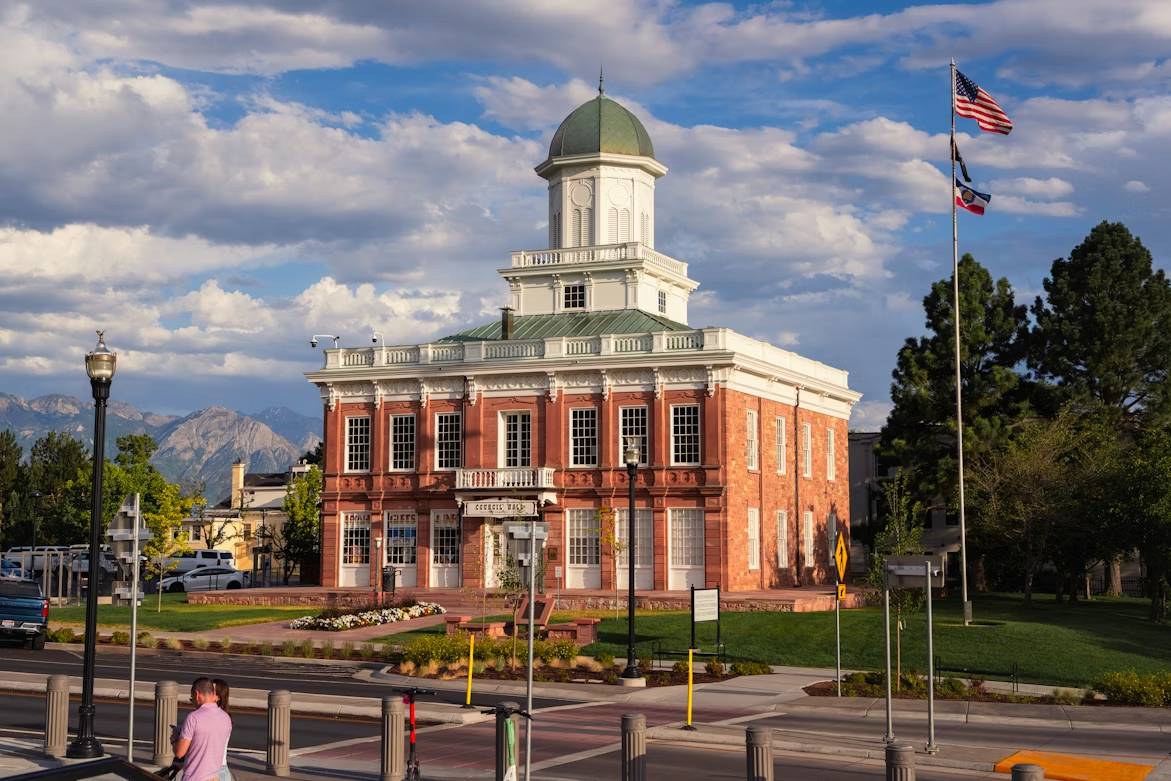
Utah’s historic homes carry a distinct architectural character shaped by regional stone, early craftsmanship, and centuries of environmental exposur
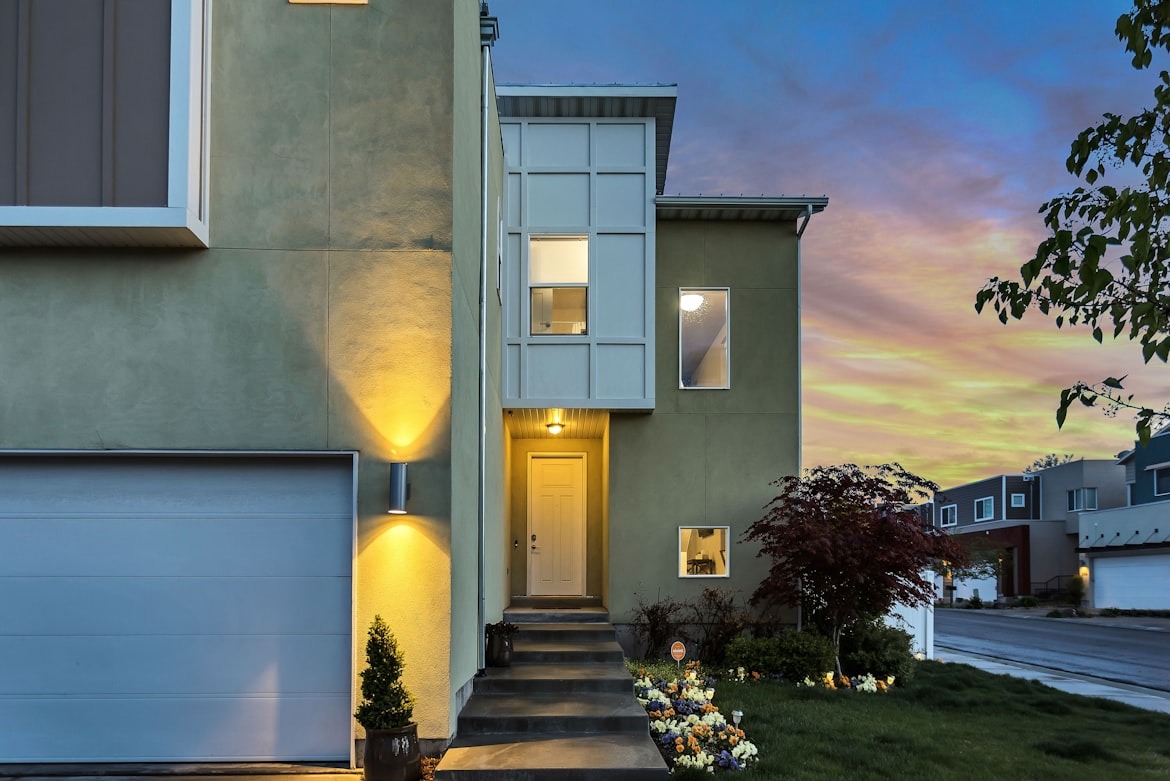
Smart home improvements do more than just lower monthly utility bills. They transform a house into a modern asset that appeals to the current generation of savvy buyers. High efficiency is now a standard expectation rather than a luxury upgrade. When you focus on the right systems, you build immediate equity while creating a more comfortable living environment for your family.

St. George summers are no joke. With temperatures regularly climbing past 105°F from June through September, a working air conditioner isn't a luxury in Southern Utah it's essential.
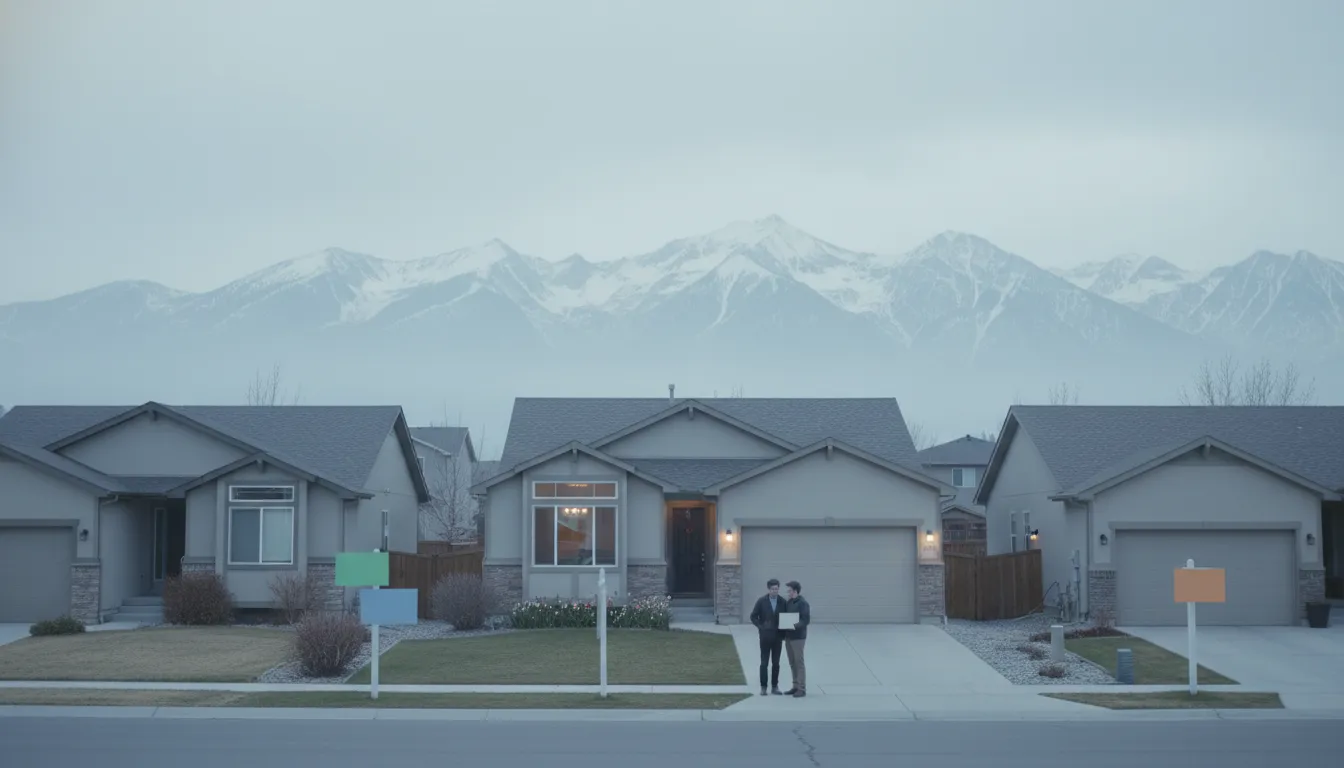
Utah’s spring housing market is showing signs of strain. Inventory is rising, contract cancellations are elevated, rents are softening, and buyer demand is not keeping pace with the number of homes hitting the market. For anyone asking whether Utah is shifting toward a buyer’s market, the latest signals point in that direction.
Access all your saved properties, searches, notes and more.
Access all your saved properties, searches, notes and more.
Enter your email address and we will send you a link to change your password.
I agree to receive marketing and customer service calls and text messages from Best Utah Real Estate. Consent is not a condition of purchase. Msg/data rates may apply. Msg frequency varies. Reply STOP to unsubscribe. Privacy Policy & Terms of Service.
Listings displayed on this website are provided via IDX. The website owner is not the listing broker or agent unless explicitly stated.
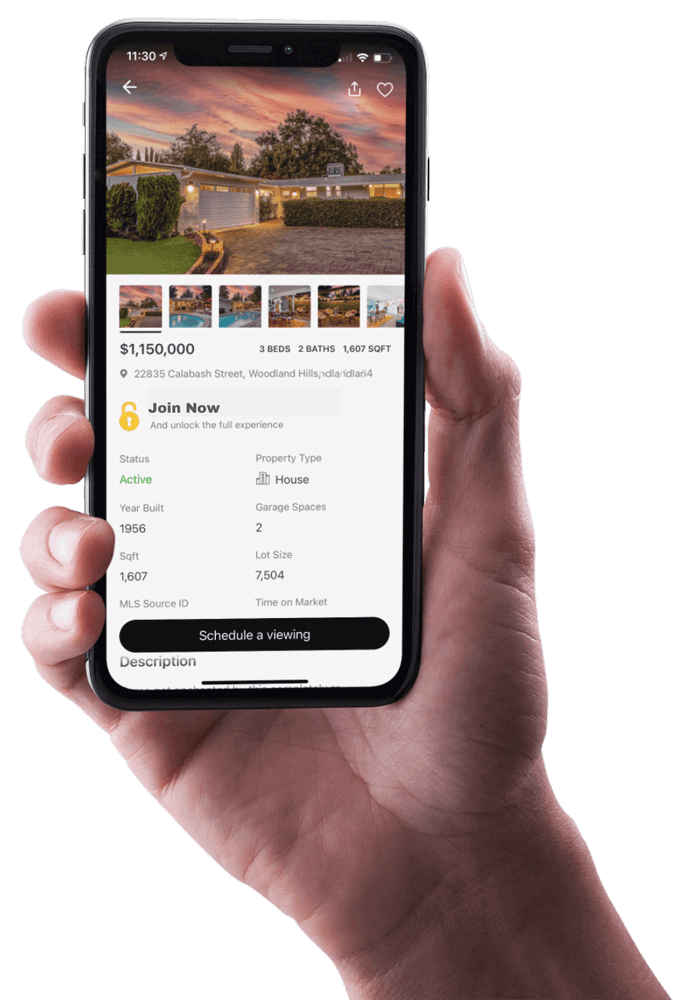
Your trusted MLS search companion