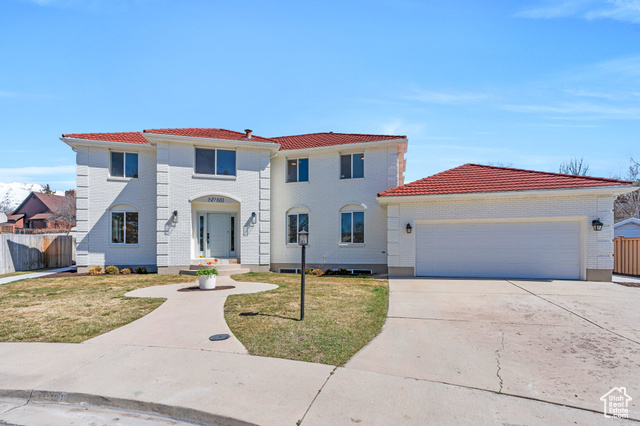
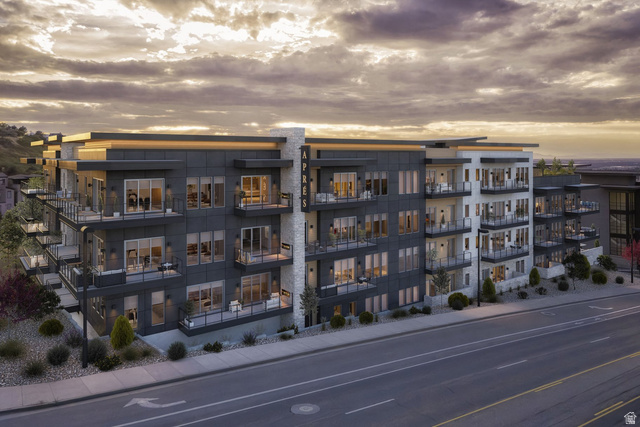
Restoring Utah’s Historic Homes: A Guide to Authentic Masonry
Utah’s historic homes carry a distinct architectural character shaped by regional stone, early craftsmanship, and centuries of environmental exposur

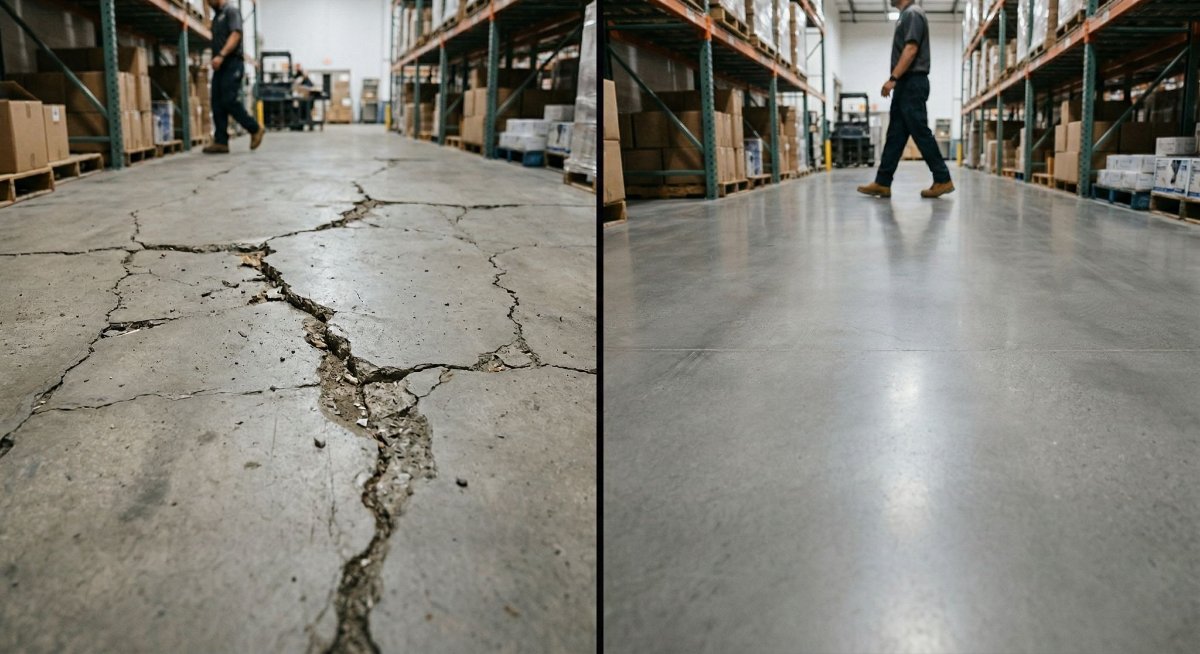
A sunken slab at a retail entrance or a cracked warehouse floor is more than an eyesore - it’s a liability. Property managers and contractors deal with this constantly, and the good news is that a full slab replacement is rarely necessary. Modern concrete lifting techniques restore a slab to a safe, level surface in a matter of hours, at a fraction of demolition costs.
The catch: the root cause of settlement looks very different depending on where you’re working. A storefront in Northern California and a distribution center along Utah’s Wasatch Front both settle, but for very different reasons. Understanding that difference is what separates a lift that holds for a decade from one that fails in two years.
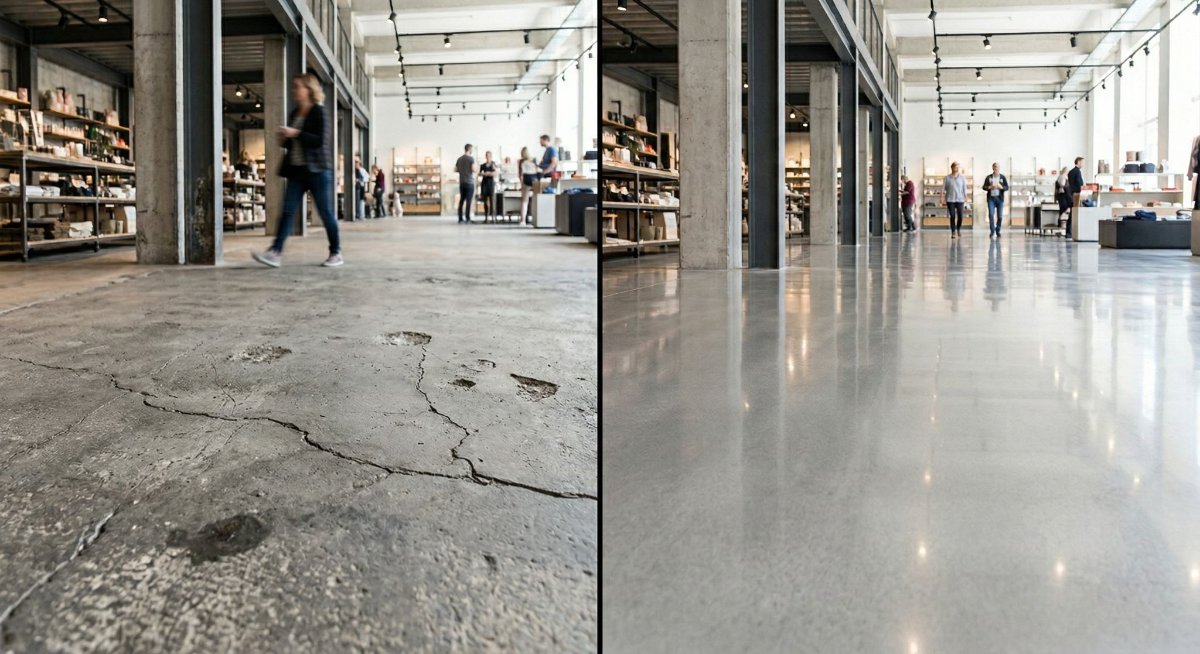
Leveling is also only half the scope on many commercial jobs. Once a slab is level, owners often ask about commercial concrete polishing as the next step - turning a dull, porous floor into a dense, reflective surface that stands up to forklift traffic, spills, and abrasion. The rest of this guide walks through what drives settlement in each region, which lifting method fits, when polishing makes sense, and where the numbers typically land.
Much of Northern California sits on expansive clay soils that contract during dry summers and swell after winter rains. That seasonal cycle, combined with active seismic movement along the San Andreas and Hayward faults, puts commercial slabs under constant stress. Add heavy traffic loads and utility trenching, and settlement becomes almost inevitable for large footprints.
Common causes in California include:
Utah contractors deal with an almost opposite set of problems. Along the Wasatch Front - Salt Lake City, Ogden, Provo, Lehi - the soil profile often includes collapsible silts and loessal deposits that can settle dramatically the first time they get saturated. Gypsum-rich soils in parts of the Salt Lake Valley dissolve slowly when exposed to groundwater, leaving voids beneath slabs. And Utah’s freeze-thaw cycle is far more aggressive than anything coastal California sees: repeated cycles of freezing moisture expand and contract the subgrade every winter.
Common causes in Utah include:
|
Factor |
Northern California |
Utah (Wasatch Front) |
|
Dominant soil issue |
Expansive clay |
Collapsible silts, gypsum |
|
Freeze-thaw cycles |
Minimal |
Significant |
|
Seismic risk |
High (San Andreas, Hayward) |
Moderate-to-high (Wasatch Fault) |
|
Typical moisture driver |
Winter rain, irrigation |
Snowmelt, irrigation, groundwater |
|
Common commercial fail mode |
Cyclic heave and settling |
Sudden settlement after saturation |
The preferred method for most commercial projects in both states. A crew drills small holes (roughly 5/8 inch diameter), injects expanding foam underneath, and the slab rises within minutes. The foam cures in 15 to 30 minutes, meaning foot traffic can resume the same day. For a standard retail storefront or warehouse section, a crew typically finishes the work in two to four hours.
Foam is especially well-suited to Utah work because it is hydrophobic - it displaces water rather than absorbing it, so it keeps its performance through repeated freeze-thaw cycles. In California, its light weight (roughly four pounds per cubic foot) is the main draw: it fills voids without adding load to already stressed expansive clays.
An older hydraulic method using a slurry of soil, water, and cement. Slower to cure (24 to 48 hours before traffic) and requires larger drill holes. Still viable for heavy-duty applications like industrial loading docks, where the added weight of the slurry actually helps compact loose subgrade. Less common for high-traffic commercial sites in either state because of the extended downtime.
|
Method |
Cure time |
Hole size |
Best for |
|
Polyurethane foam |
15–30 min |
5/8 inch |
Retail, warehouses, walkways |
|
Mudjacking |
24–48 hrs |
1.5–2 inches |
Heavy industrial, loading docks |
Once a slab is level, many clients ask about surface treatment. Commercial concrete polishing turns a dull, porous surface into a dense, reflective floor that is easier to clean and more resistant to forklift traffic, spills, and abrasion. It is a logical upsell on any project where the floor is already being worked on.
Before polishing, unsealed commercial concrete absorbs oil, brake fluid, and chemical spills on contact. Maintenance teams spend significant labor trying to clean stained surfaces. After polishing to a medium or high gloss, the densified surface resists penetration. Food production, distribution, and showroom clients consistently report a noticeable drop in cleaning time within the first quarter of use.
|
Finish level |
Gloss rating |
Typical use |
|
Ground/matte |
Low |
Back-of-house, industrial |
|
Satin |
Medium |
Retail, offices |
|
High gloss |
High |
Showrooms, hospitality |
Costs vary by access, slab thickness, extent of settlement, and regional labor rates. A ballpark range for commercial work in either market:
Compared to full replacement, which routinely runs $15 to $25 per square foot installed, plus downtime costs, lifting typically saves 50 to 70 percent when the slab itself is structurally sound.
Lifting works when the slab is cracked but still structurally sound. It is not a fix for:
A basic visual inspection - pattern cracking, displacement greater than two inches, or hollow sounds when tapped - usually tells an experienced contractor whether lifting is viable before any equipment arrives on site.
How long does it last? Polyurethane foam does not biodegrade or wash away. A properly done lift on stable soil can last 10 to 15 years or more. In Utah, longevity depends heavily on whether the underlying moisture source has been addressed; in California, it depends on whether the slab’s load and seasonal soil movement have been accounted for.
How much disruption is there? Minimal. Most commercial properties stay open during working hours.
Does lifting work on asphalt? No - foam injection is a concrete application only.
For contractors in either state looking to expand their concrete service offering, USA Spray Me handles commercial concrete lifting and polishing, with crews familiar with the soil conditions and permitting requirements in both California and Utah.
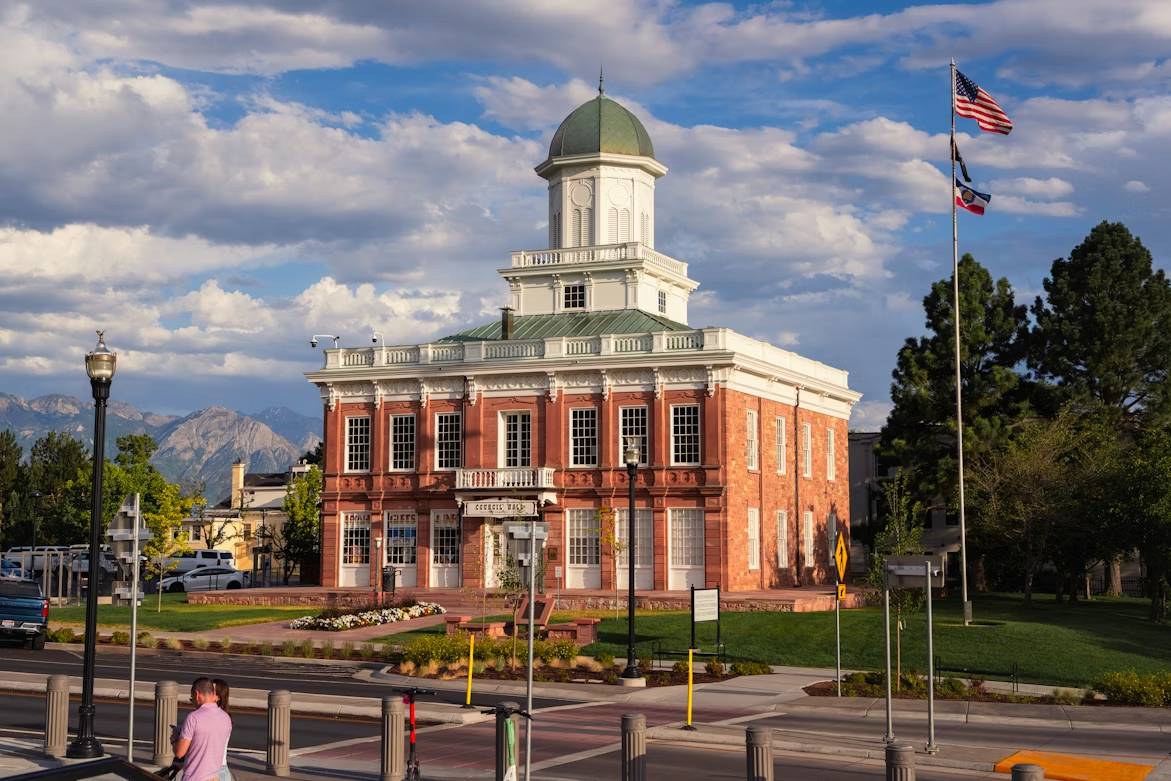
Utah’s historic homes carry a distinct architectural character shaped by regional stone, early craftsmanship, and centuries of environmental exposur
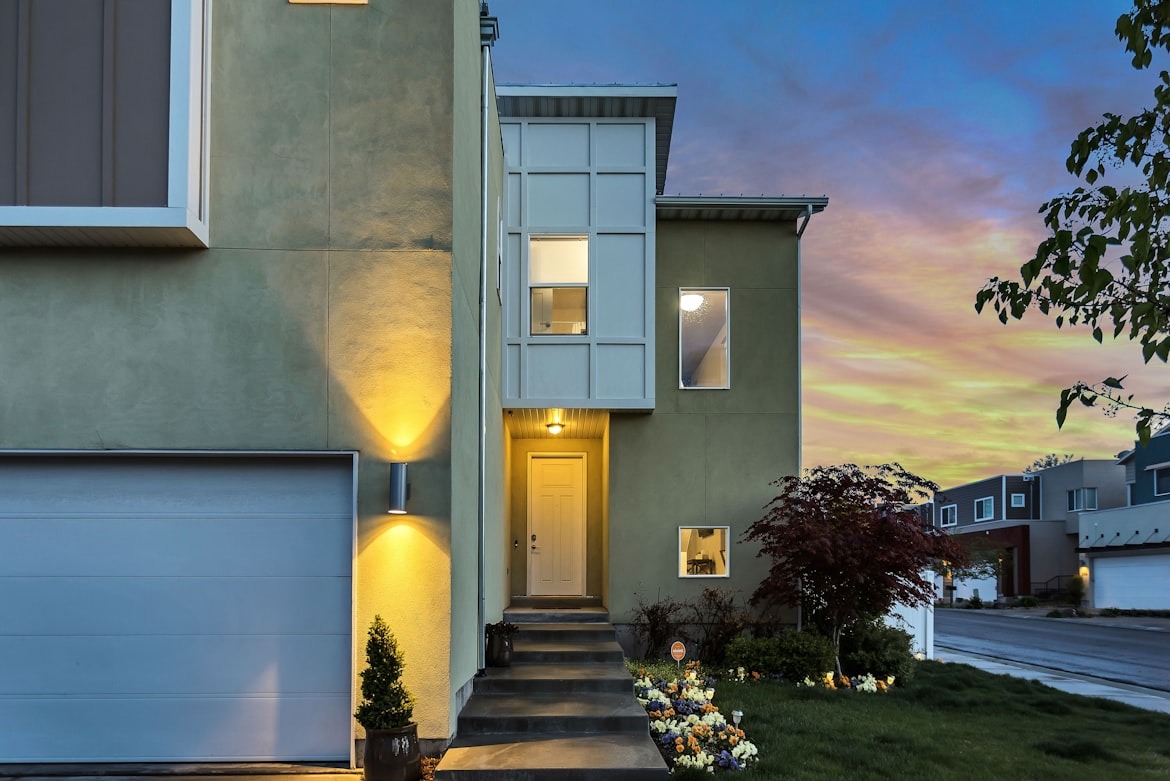
Smart home improvements do more than just lower monthly utility bills. They transform a house into a modern asset that appeals to the current generation of savvy buyers. High efficiency is now a standard expectation rather than a luxury upgrade. When you focus on the right systems, you build immediate equity while creating a more comfortable living environment for your family.

St. George summers are no joke. With temperatures regularly climbing past 105°F from June through September, a working air conditioner isn't a luxury in Southern Utah it's essential.
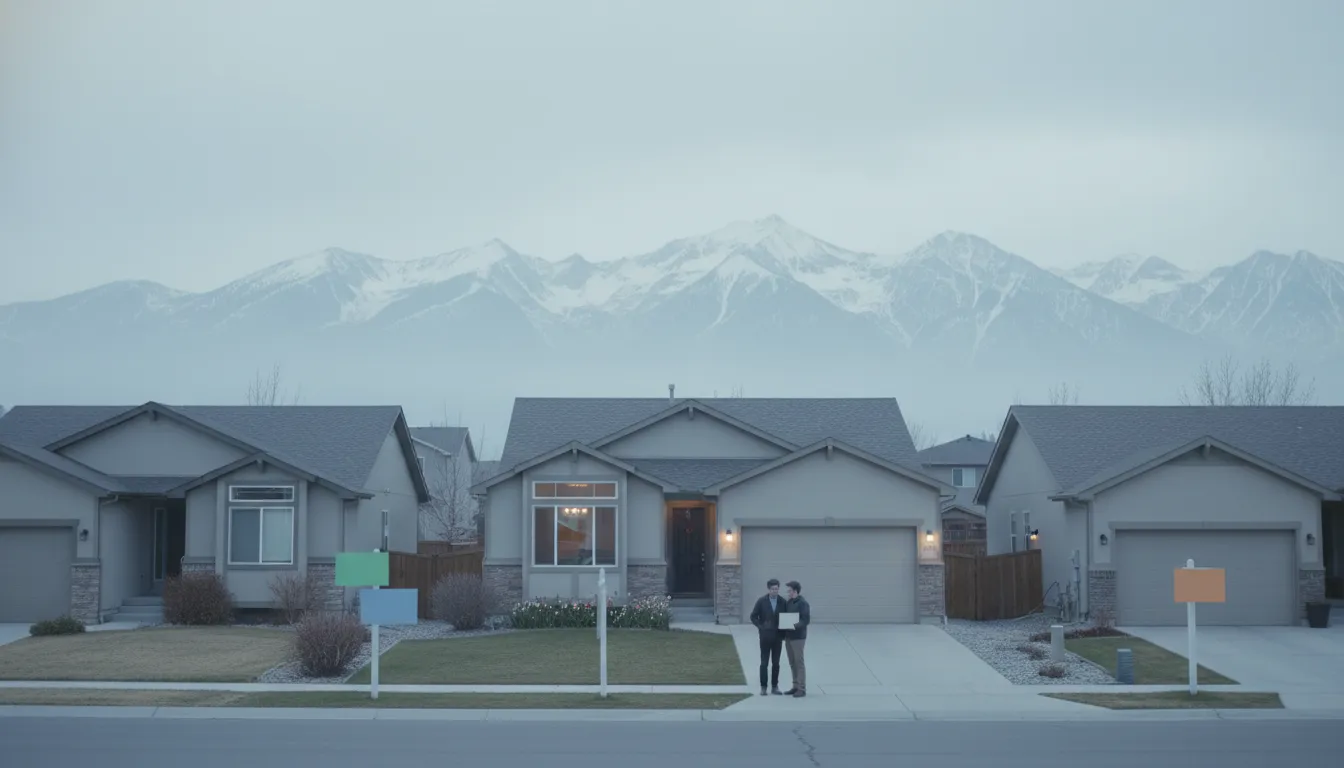
Utah’s spring housing market is showing signs of strain. Inventory is rising, contract cancellations are elevated, rents are softening, and buyer demand is not keeping pace with the number of homes hitting the market. For anyone asking whether Utah is shifting toward a buyer’s market, the latest signals point in that direction.
Access all your saved properties, searches, notes and more.
Access all your saved properties, searches, notes and more.
Enter your email address and we will send you a link to change your password.
I agree to receive marketing and customer service calls and text messages from Best Utah Real Estate. Consent is not a condition of purchase. Msg/data rates may apply. Msg frequency varies. Reply STOP to unsubscribe. Privacy Policy & Terms of Service.
Listings displayed on this website are provided via IDX. The website owner is not the listing broker or agent unless explicitly stated.

Your trusted MLS search companion