



Restoring Utah’s Historic Homes: A Guide to Authentic Masonry
Utah’s historic homes carry a distinct architectural character shaped by regional stone, early craftsmanship, and centuries of environmental exposur


A proposal to extend mortgage terms to 50 years may sound like a straightforward way to lower monthly payments, but the numbers tell a different story. For Utah homebuyers and sellers, a 50-year mortgage would change affordability calculations, increase lifetime interest costs, and introduce systemic risks to lenders and investors. This article explains the history of the 30-year mortgage, the math behind amortization, why a 50-year term offers minimal affordability gains, and what practical policy changes would better unlock Utah housing inventory.

The 30-year mortgage became widespread after World War II to finance new construction and help families build long-term equity. It remains the dominant loan term because it balances manageable monthly payments with predictable amortization. Each fixed-rate mortgage payment splits into principal and interest. Early in the loan most of the payment goes toward interest, and little principal is paid down. Over time the allocation shifts and payments increasingly reduce principal, accelerating equity accumulation.
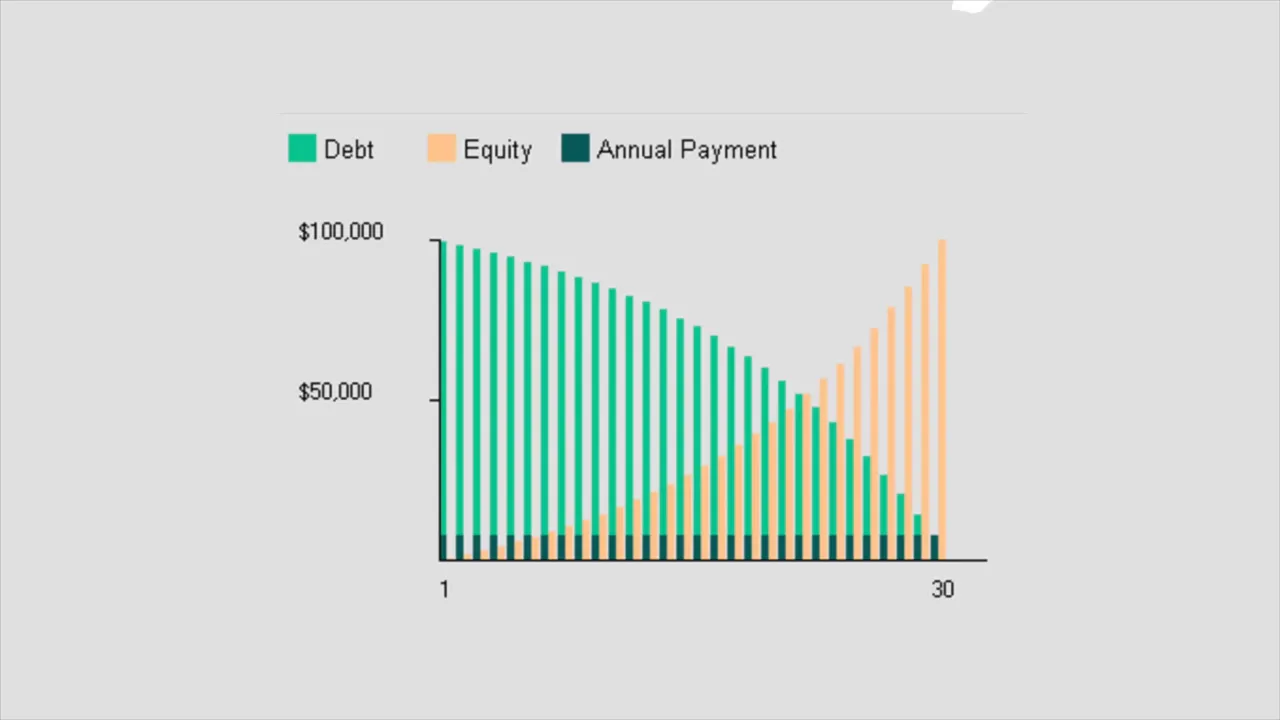
Because the average homeowner sells after roughly 12 years, many borrowers have paid very little principal before moving and starting a new loan. That behavioral pattern is central to why mortgage-backed securities and the secondary market function as they do. The amortization schedule matters: a long-term loan pushes principal paydown decades into the future.
Stretching a loan from 15 to 30 years increases purchasing power substantially: roughly a 34 percent improvement in affordability. Stretching from 30 to 50 years, however, yields far smaller gains—about an 8 percent boost in qualification power in realistic scenarios. The reason is simple: once payments become long-term, additional years add little incremental affordability because interest remains a large share of every payment for an extended period.
Interest-rate expectations further undermine the 50-year pitch. Lenders price longer terms higher to compensate for greater risk. If a 30-year fixed rate sits near 6.125 percent and a 15-year rate is around 5.375 percent, a plausible 50-year rate would be closer to 7 percent. On a $500,000 loan, a 30-year loan at 6 percent produces monthly payments around $3,000. Stretching to 50 years at a higher 7 percent could actually raise monthly payments rather than lower them. Even in a hypothetical where a 50-year carries the same rate as a 30-year, the monthly payment falls only modestly—to about $2,632 in one common example—equating to roughly a 10 percent effective increase in buying power. That modest benefit does not justify decades more interest paid and the added risk of minimal equity accumulation for many years.
Mortgage rates are closely tied to the 10-year Treasury yield because most homeowners hold a mortgage for roughly a decade before selling or refinancing. That behavior allows lenders and investors to expect reasonably consistent prepayments and cash flow. A 50-year loan, by contrast, extends exposure dramatically. Investors buying mortgage-backed securities from such loans would face decades of interest-rate risk. Borrowers would build negligible equity for a long time; for example, a borrower on a 50-year loan who sells after 12 years might have paid off only a few tens of thousands of dollars in principal on a loan that started near half a million dollars. A modest market downturn or a 6 percent decline in sale price could wipe out equity entirely, leaving borrowers underwater even after more than a decade of payments.

Current qualified mortgage rules cap qualifying loan terms at 30 years in order to provide legal protections and reduce lender liability. Loans that exceed 30 years generally fall into the non-qualified category, which shifts more legal risk onto lenders and makes competitive pricing unlikely without explicit policy changes. To offer 50-year mortgages at rates comparable to 30-year loans would likely require government subsidies or a wholesale rewrite of mortgage law, effectively transferring risk to taxpayers or being hidden in higher home prices.
If a 50-year product appears, the most likely actors to push it will be developers and homebuilders who can bake financing incentives into the sale price or structure loans on a case-by-case basis. That design would make the loan effectively subsidized at the point of sale, pushing higher costs into purchase prices rather than lowering the true lifetime cost for buyers. For Utah buyers in high-growth cities such as Salt Lake City, Park City, and St. George, this could mean higher purchase prices and the illusion of affordability while lifetime interest and leverage increase.
Stretching loan terms is not the only tool to improve affordability. Three pragmatic policy adjustments would more directly encourage supply and ease market frictions in Utah:
Local buyers should focus on unlocking inventory and controlling monthly expenses rather than relying on extreme term extensions. Simple cost reductions, careful budgeting, and shopping for competitive mortgage products can improve buying outcomes. For Utah-specific listings and market resources, visit https://bestutahrealestate.com
For Utah families, young professionals, retirees, and investors, the following practical steps are recommended instead of opting into very long loans:
Realistic scenarios show a 30-year to 50-year shift improves qualification power by less than 8 percent. In contrast, moving from 15 to 30 years typically improves affordability by about 34 percent. Because longer terms carry higher rates, the practical affordability gain from 30 to 50 years is small.
No. Extending a mortgage to 50 years increases total interest paid because the borrower is in debt longer and more payments go to interest over the life of the loan. If lenders charge higher rates for longer terms, lifetime interest increases even further.
Not meaningfully. The small monthly savings available on a 50-year loan do not offset higher lifetime costs, greater risk of negative equity, and reduced investor demand. Policies that increase inventory and reduce transactional barriers will have a more direct and durable impact on accessibility.
Investors bundle mortgages into securities expecting certain prepayment behavior. Very long-term loans expose investors to decades of interest-rate volatility and uncertain prepayment, reducing the attractiveness of these loans on the secondary market unless yields are substantially higher.
Three targeted solutions include increasing the capital gains exclusion to one million dollars indexed to inflation, allowing mortgage portability for primary residences when trading up, and expanding the mortgage interest deduction cap for new loans. These policies would encourage more sellers to list homes and improve supply without creating long-term debt traps.

Utah’s historic homes carry a distinct architectural character shaped by regional stone, early craftsmanship, and centuries of environmental exposur
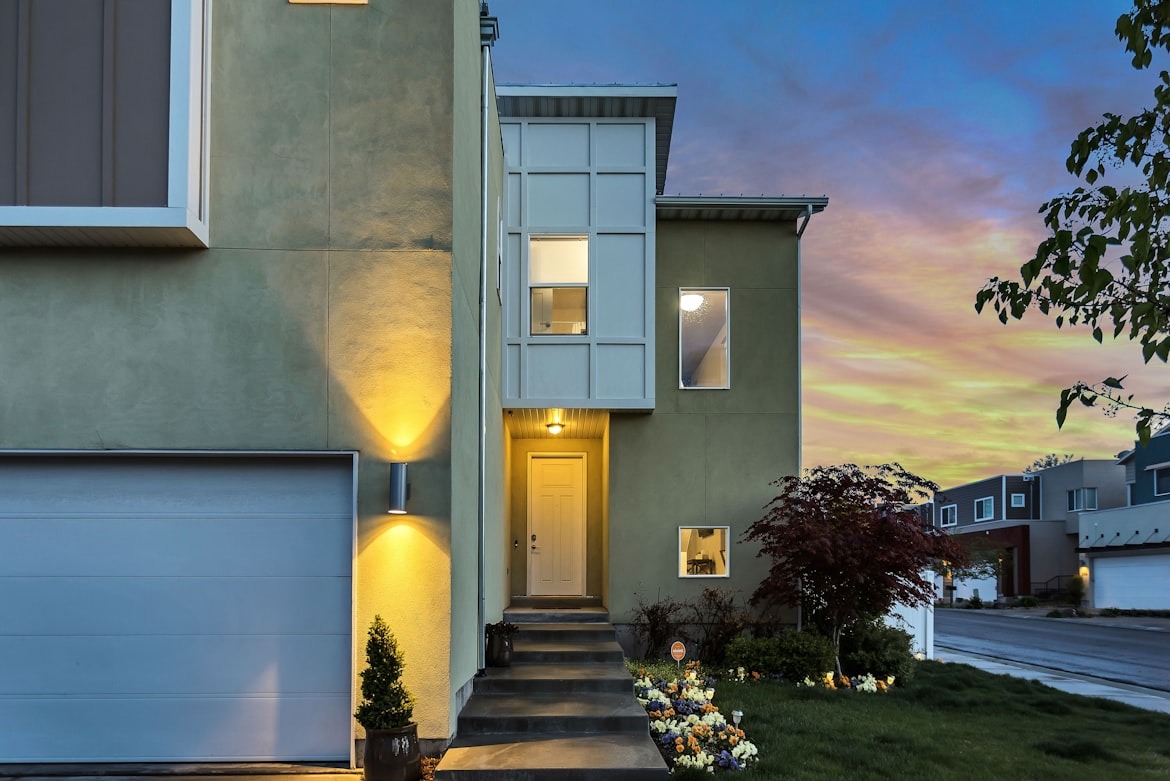
Smart home improvements do more than just lower monthly utility bills. They transform a house into a modern asset that appeals to the current generation of savvy buyers. High efficiency is now a standard expectation rather than a luxury upgrade. When you focus on the right systems, you build immediate equity while creating a more comfortable living environment for your family.

St. George summers are no joke. With temperatures regularly climbing past 105°F from June through September, a working air conditioner isn't a luxury in Southern Utah it's essential.

Utah’s spring housing market is showing signs of strain. Inventory is rising, contract cancellations are elevated, rents are softening, and buyer demand is not keeping pace with the number of homes hitting the market. For anyone asking whether Utah is shifting toward a buyer’s market, the latest signals point in that direction.
Access all your saved properties, searches, notes and more.
Access all your saved properties, searches, notes and more.
Enter your email address and we will send you a link to change your password.
I agree to receive marketing and customer service calls and text messages from Best Utah Real Estate. Consent is not a condition of purchase. Msg/data rates may apply. Msg frequency varies. Reply STOP to unsubscribe. Privacy Policy & Terms of Service.
Listings displayed on this website are provided via IDX. The website owner is not the listing broker or agent unless explicitly stated.

Your trusted MLS search companion